by
by The overall picture of global electric vehicle sales contradicts widespread pessimistic forecasts. Despite a cooling market observed in some regions, global figures continue to grow. The key factors remain the policies of individual countries and consumer behavior, which can change rapidly.
Key Trends of the Year
New data indicates that global sales of battery electric vehicles and plug-in hybrids have increased this year, supported by steady demand in China and Europe.
According to Rho Motion, approximately 18.5 million electric vehicles and plug-in hybrids were sold worldwide from January to November 2025, which is 21 percent more than last year.
Growth Leaders
As expected, China leads with sales of 11.6 million units, a 19 percent increase compared to the same period in 2024. Europe remains a significantly smaller market with 3.8 million electric vehicles sold, but demonstrates a higher growth rate of 33 percent.
A more detailed look at Europe shows that sales of fully electric cars grew by 35 percent, and plug-in hybrids by 39 percent. France contributed to this growth, where an increase in sales was recorded in November for the first time this year, albeit by only 1 percent.
Sales Dynamics by Region
Electric Vehicle Sales January-November 2025
| Region | 2025 Total | Year-over-Year Change |
| World | 18.5 million | +21% |
| China | 11.6 million | +19% |
| Europe | 3.8 million | +33% |
| North America | 1.7 million | -1% |
| Rest of the World | 1.5 million | +48% |
Italy also had a strong November: sales of electric vehicles and hybrids jumped to 25 thousand units after the launch of an incentive program encouraging local residents to dispose of old ICE vehicles.
However, the development trajectory in Europe could change quickly. The European Commission announced plans to abandon the proposed ban on the sale of new internal combustion engine cars by 2035, a reversal step driven by automaker lobbying.
Situation in America
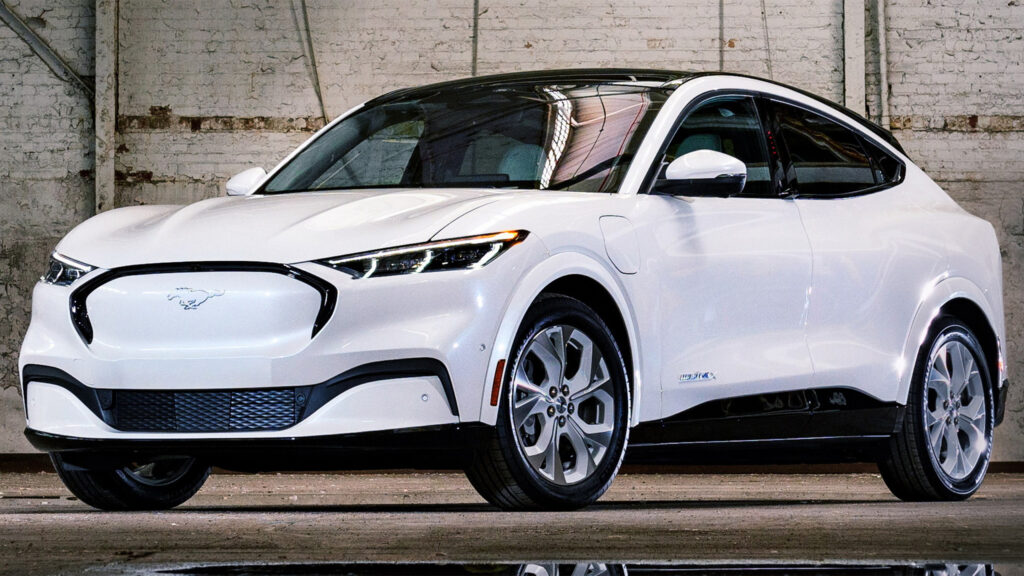
In North America, particularly in the USA, the situation is fundamentally different. Although electric vehicle sales increased in November compared to October, they are still significantly lower than they were when the federal tax credit of $7,500 was available.
Rho Motion data notes that sales in North America fell by 1 percent this year, quickly turning the region into a global laggard in electric vehicle adoption.
Following President Trump’s decision to weaken CAFE fuel economy standards, electric vehicle sales are unlikely to grow at significant rates and may eventually decline.
Rest of the World
In contrast, the rest of the world, grouped in the dataset, showed 1.5 million electric vehicle sales this year, a 48 percent increase compared to 2024. Although volumes are smaller, this growth indicates that in many regions electrification is still gaining momentum, just not always where the attention is focused.

This data clearly shows that the global electric vehicle market is highly heterogeneous. While some regions, such as China and Europe, continue to demonstrate steady growth, others, particularly North America, face challenges often linked to changes in government policy. The future of electric transport seems likely to be shaped not by a single global trend, but by a combination of national strategies, economic conditions, and consumer preferences. Rapid changes in regulation, as seen in the EU and the US, can instantly reshape the market, making any long-term forecasts highly conditional.