 by
by BMW Increases Prices for 2026 Model Year Cars
Following a recent price hike by Porsche, it appears BMW will soon follow the same path. According to information, the company will increase the cost of most 2026 model year vehicles starting January 1st.
Key points of the upcoming changes:
Details of the Increase and Affected Models
An internal BMW communication reportedly states that most cars in its lineup will increase in price by approximately 1 percent, although not every model is affected. The adjustment will result in an MSRP increase of between $400 and $1,500.
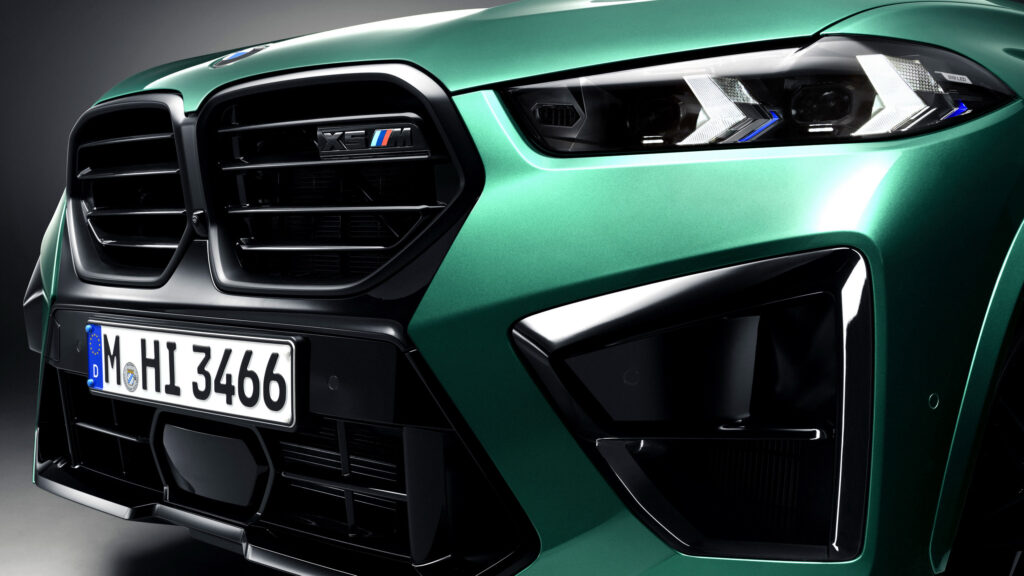
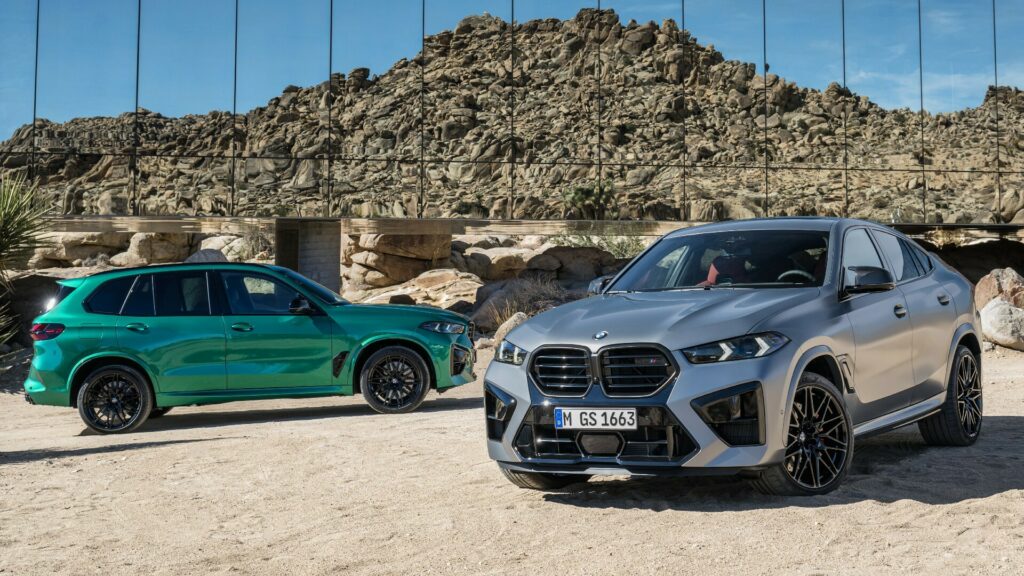
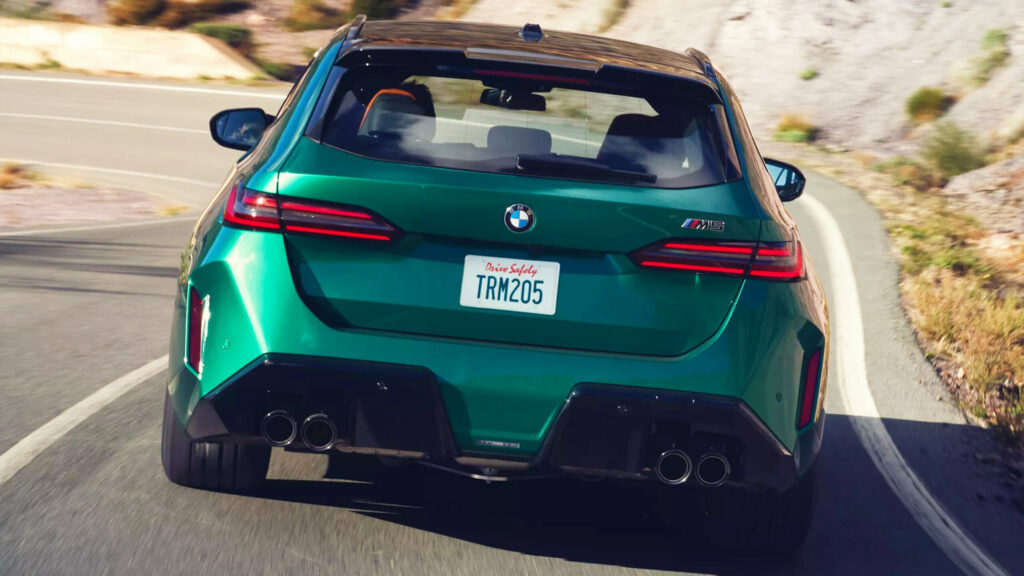
The most significant increase concerns the M5 sedan and wagon, both becoming $1,400 more expensive, as well as the BMW X6 M Competition, which will now cost $1,500 more.
Interestingly, the i4, i5, iX, i7, 7-Series, Z4, and XM models are not subject to the price increase.
Second Increase in Six Months and Tariff Questions
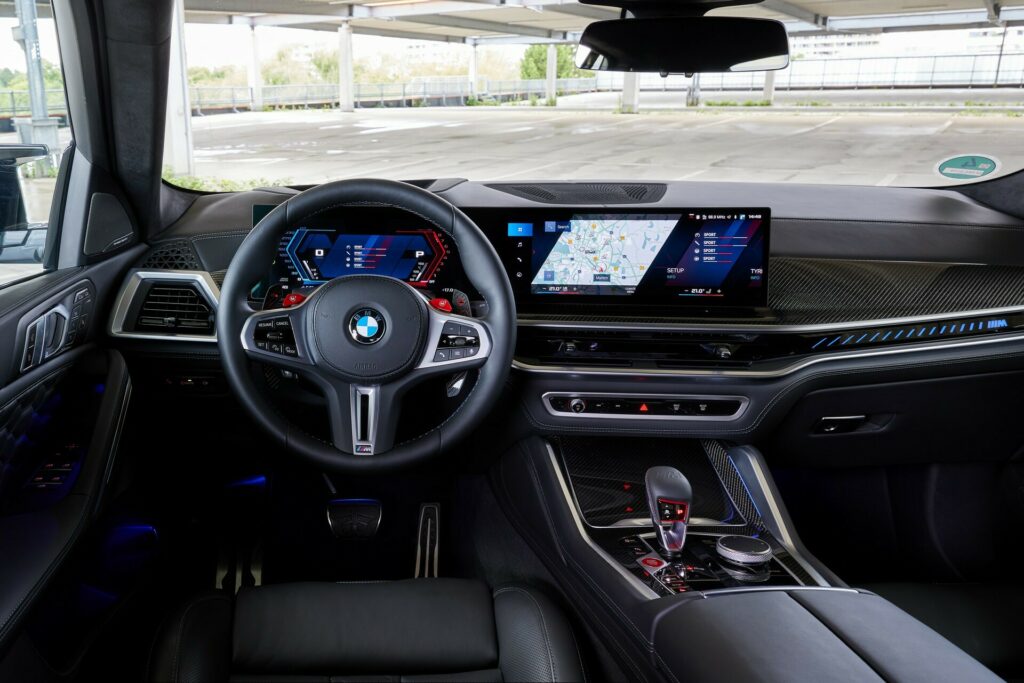
This is not the first time BMW has raised prices in the last six months. Back in July, the company announced that MSRPs for most 2026 models would rise by up to 1.9 percent, leading to an increase of up to $2,500 for cars like the BMW X5 M and X6 M.
These two models are produced in the USA, along with other SUVs at the automaker’s plant in South Carolina. Technically, they should not have been affected by tariffs, or at least not significantly, unless considering imported components. As always, the truth lies somewhere in the middle.
How to Avoid New Prices and Market Context
For buyers looking to avoid the latest round of price changes, it may make sense to check local inventories for cars already on dealer lots. Vehicles delivered by the end of the year are more likely to have current prices.
Annual price increases in the automotive industry are not unusual, especially with the arrival of new model years. But they are usually tied to updates or additional equipment, not a general, across-the-board increase without a clear explanation, and certainly not with such frequency.
Raising prices twice in six months points to more systemic factors than just seasonal adjustments. It could be a reaction to overall increases in production costs, logistics, or global economic uncertainty. For potential buyers of premium brands, this is a signal that the period of stable prices may be coming to an end, and the strategy for purchasing a car, including timing and model choice, is becoming even more important. The exceptions from the price hike list, such as the “i” series electric vehicles, may indicate competitive struggles in that market or the brand’s desire to make them more attractive.