 by
by Solar Tonneau for Pickups
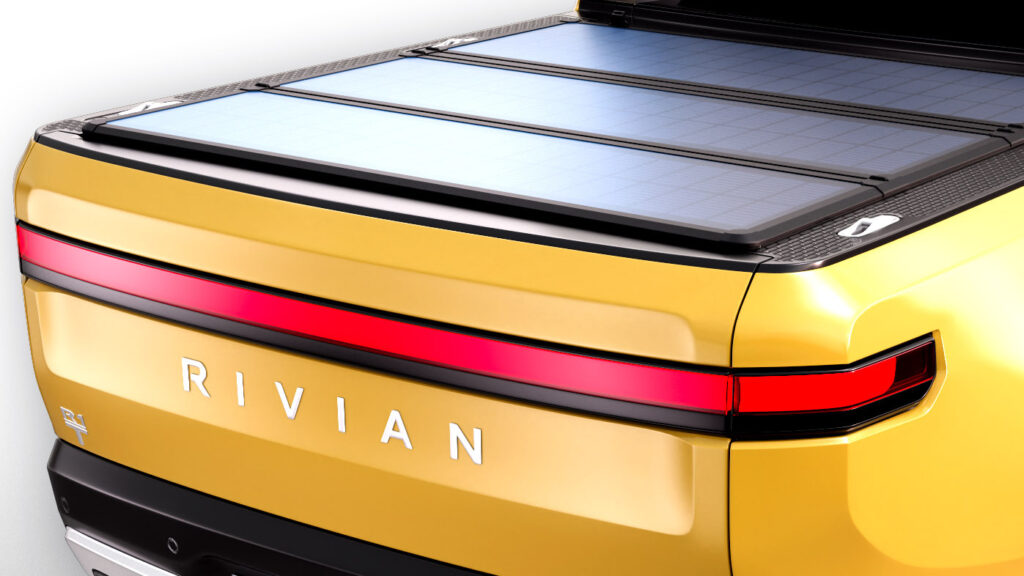
Owners of the Rivian R1T electric pickup now have an interesting option for using solar energy. The American company Worksport has introduced a solar tonneau cover for the cargo bed, which allows generating electricity both while driving and when the vehicle is parked.
System Technical Specifications
The new system, named SOLIS, is capable of generating up to 250 watts of energy. A key feature is the availability of an optional battery that stores the energy obtained from the sun. This compact storage unit charges in approximately four hours.
The stored energy can power various devices:
However, the system is currently not designed to charge the electric pickup’s main battery.
Future Technology Development
Worksport hopes to collaborate with automakers to implement direct charging of the vehicle’s traction battery in future versions of the system. This opens up prospects for more efficient use of solar energy in electric vehicles.
Solution Versatility
The solar tonneau covers are made from aircraft-grade aluminum, ensuring strength and durability without significant weight increase. It is important to note that the product is available not only for Rivian.
The systems are compatible with dozens of pickup truck models from various brands, including Chevrolet, Dodge, Ford, GMC, Nissan, Ram, and Toyota. Models released as far back as 2002 are even supported.
Cost and Availability
The price of the SOLIS solar tonneau depends on the cargo bed size and ranges from $1,999 to $2,499. For the Rivian R1T with its relatively smaller body, the cost is $1,999.
A full kit, including an inverter and battery, will cost an additional $949. Sales will begin in mid-January.
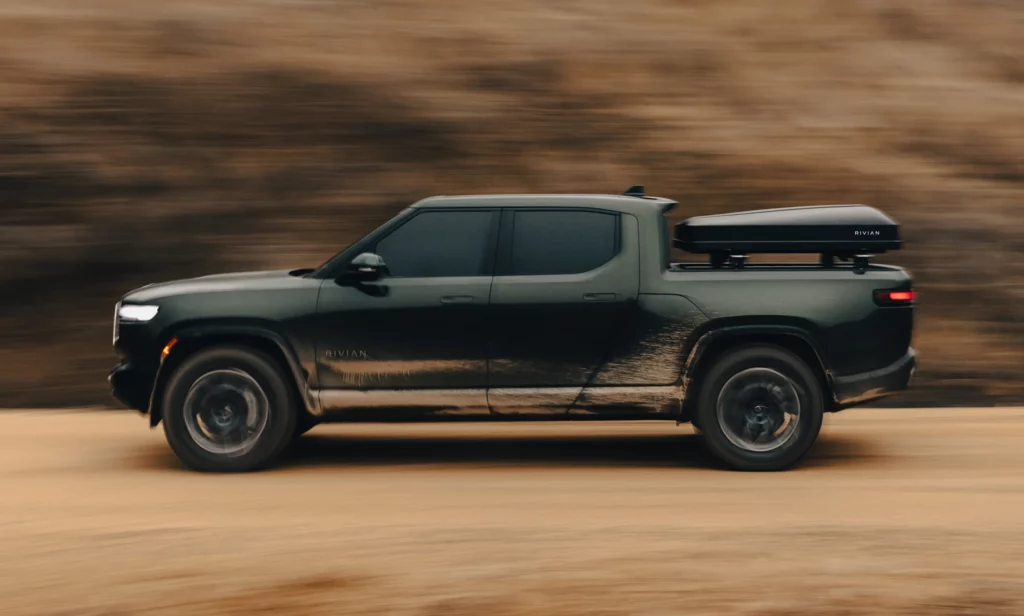
The emergence of such accessories reflects the growing demand for autonomy and eco-friendly solutions among off-road and electric vehicle owners. Although the technology does not yet allow for direct charging of the vehicle’s main battery, it offers a practical way to power additional equipment, especially during long trips or outdoor recreation. This can significantly increase autonomy in places without access to the power grid, making adventure travel more comfortable and environmentally friendly. The development of such technologies may also contribute to the further integration of solar panels into the very structure of vehicles in the future.