 by
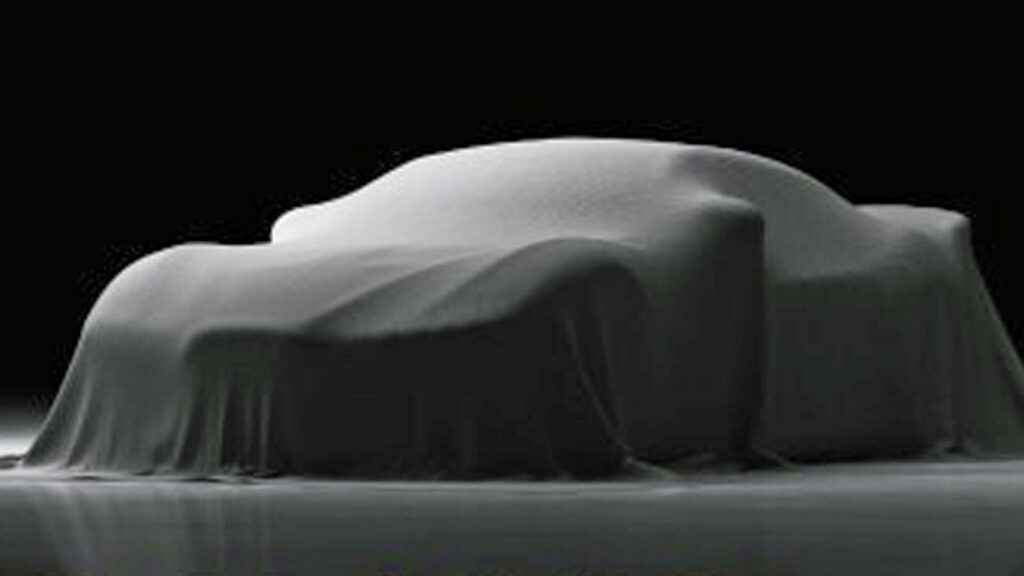
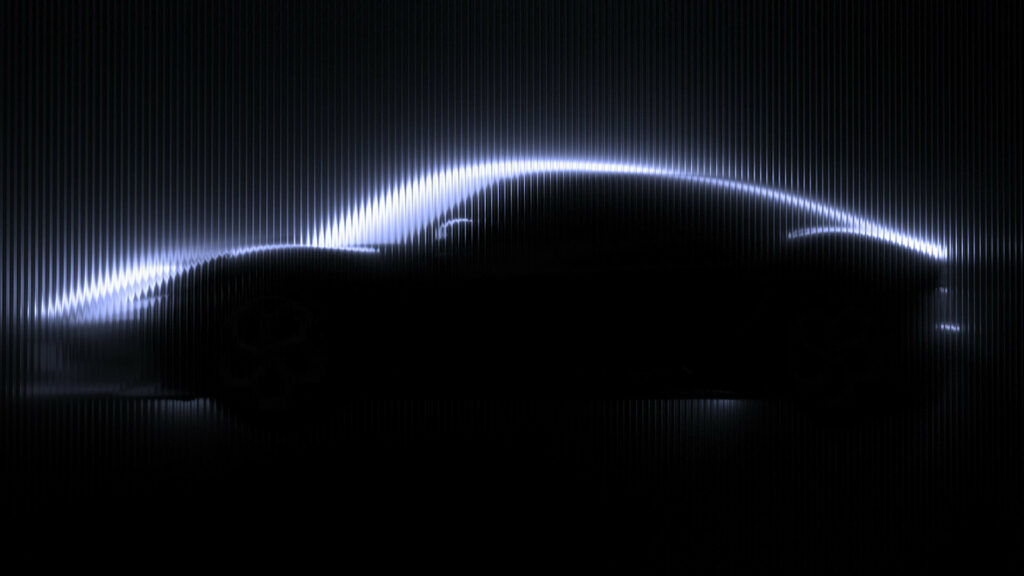
by The startup Kosmera announced that it will present not one, but two new cars at the CES exhibition. These will be a hypercar powered by the latest energy sources and a sedan whose design is reminiscent of Porsche models.
Hypercar Power and Design
The company is currently sharing few details but promises that the hypercar will combine the classic heritage of supercars with next-generation technologies. Both models are intended to be stunning in appearance and thrilling to drive.
According to the manufacturer, the car will receive a high-performance powertrain with approximately 469 horsepower per wheel. Thus, the hypercar’s total power could reach an impressive 1877 horsepower.

Technological Features
The car is expected to have a power-to-weight ratio of approximately 1:1. Its chassis, made from aerospace-grade composites and 3D-printed metals, is designed to provide exceptional torsional rigidity.
Among the announced innovations is also an “AI Coach” artificial intelligence system intended for driver training on the track. It will, in particular, use augmented reality on the windshield to display the ideal driving trajectory.
Enhanced Adaptability
The model will receive a revolutionary active linear motor suspension, capable of smoothly switching between a soft ride and a stiff racing setup. This system will be complemented by a dual steering mechanism for additional adaptability.
Prototype Status and Market Prospects
It is important to note that the presented cars are positioned as prototypes and static exhibits intended to demonstrate the company’s design solutions. They are aimed at the premium segment, but no specific plans regarding the start of series production or availability have been disclosed.
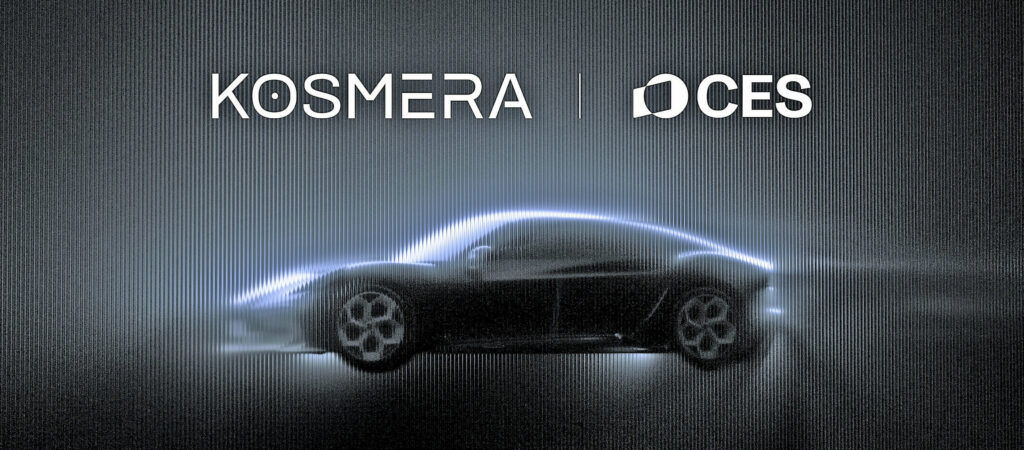
There is another important nuance: these cars will likely not be available for sale in the USA. The Kosmera trademark belongs to the Chinese company Xing Chen Future Automotive Technology Co Ltd, which means that for the American public, CES may be the only opportunity to see these models in person.
Such announcements often accompany technology exhibitions, demonstrating the industry’s development vector. The hypercar’s stated characteristics, such as extreme power and the use of aerospace materials, indicate the startup’s ambitions to compete at the highest level. However, transitioning from an impressive prototype to a series-produced car available to customers is a significantly more complex task, especially for a new player in the market. Success will depend not only on technical perfection but also on established logistics, a service network, and consumer trust.