 by
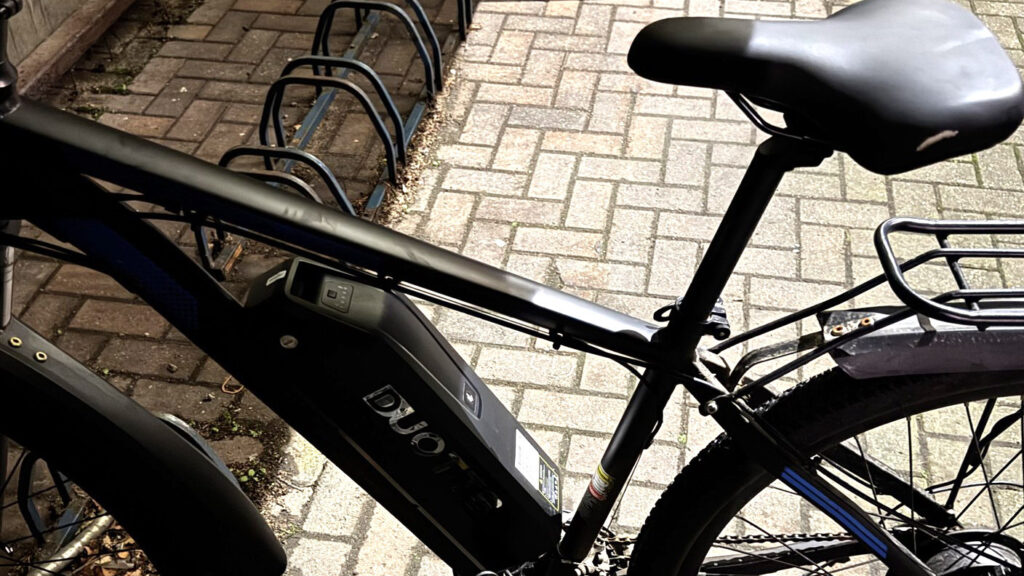
by UK police confiscated two illegally modified e-bikes during a special operation. According to law enforcement, one of them could reach speeds of over 100 miles per hour.
The E-Bike Problem is Taking on a Global Scale
E-bikes are creating problems in many regions of the world, and the consequences of their use are becoming increasingly dramatic. In the US, they are often blamed for traffic violations. In the UK, at least one such bike has come under close scrutiny due to its claimed ability to reach triple-digit speeds. While this is entirely possible technically, in this case, the claim raises doubts. Nevertheless, this very case of seizure in the UK clearly demonstrates how potentially dangerous such vehicles can be in the wrong hands.
Police Statement and Legal Norms
As reported by the North Yorkshire Police group on social media, law enforcement stopped a “modified bicycle” which, according to them, could reach a maximum speed of 103.8 mph. This is an impressive figure for something resembling a regular bicycle. For comparison, the legal speed limit for e-bikes in the UK is only 15.5 mph (25 km/h), with the motor required to provide pedal assistance only and must cut off after reaching that speed.
Visual Signs Indicate Violations
In photographs published by the police, it is evident that both seized vehicles clearly exceed what is permitted. They show non-standard battery packs and modifications that clearly indicate the presence of manual speed control and unrestricted motor assistance. This alone is enough to justify the confiscation. However, questions arise specifically regarding the claim of triple-digit speed.
As one captured cyclist notes, there is nothing in the images to indicate equipment typically associated with extreme performance. The bicycles appear to have retained standard frames, wheels, spokes, pedals, and mechanical (not hydraulic) disc brakes. These are components simply not designed and, in most cases, not capable of sustaining speeds approaching highway travel.
Technical Inconsistencies

There are also no visible signs of motorcycle-class tires, reinforced transmissions, or powerful braking systems that typically accompany such speeds. Even being modified, it would be surprising if either of these bikes could sustain 40 mph for any length of time. Importantly, the police did not explain how exactly the figure of 103.8 mph was determined. There is no mention of road tests, dynamometer tests, controller data, or whether this number represents a theoretical calculation rather than a demonstrated speed. Without this context, it is difficult to understand what “capable of reaching” actually means in this case.
Potential Risks and Safety

Media representatives have contacted North Yorkshire Police for clarification on how the e-bike’s maximum speed was assessed and are awaiting a response. Meanwhile, these are exactly the types of bikes people modify most often. Even the most experienced cyclists sometimes lose control and make mistakes. Commuter users with lesser skills and even more power are obviously more likely to cause accidents. If that’s not enough, the same types of bikes are well-known for burning to the ground when their batteries malfunction. At least in this case, no one was hurt.
This incident highlights the complex problem at the intersection of technology, legislation, and public safety. The speed figures cited by the police may serve primarily for effective media coverage and deterring potential violators. However, the real danger often lies not in absolute speed numbers, but in the proliferation of powerful yet technically unprepared vehicles among inexperienced users in an urban environment. The question of standardizing tests for modified equipment and transparency in the methodology for assessing its parameters remains open, complicating both law enforcement practice and the formation of informed public opinion.