 by
by Chinese Brand Dreame Prepares the Premiere of Its First Electric Car
The Chinese company Dreame, known in the electronics market, shortly before its planned debut at the CES exhibition in Las Vegas, has published updated images of its first mass-produced electric car. Previously, the car sparked a wave of discussion due to its striking resemblance to the Bugatti Chiron hypercar. However, new teasers demonstrate that the designers have shifted their reference point and are now inspired by another, much rarer Bugatti model — the Brouillard.
Design Evolution: From Chiron to Brouillard
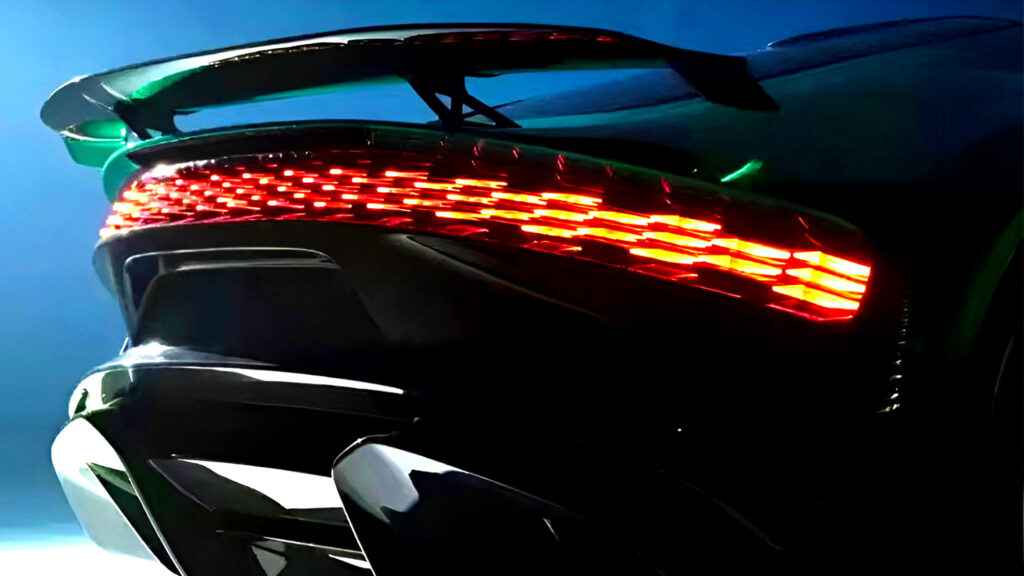
Previous previews of the car resembled a bold replica of the Bugatti Chiron. The new version, presented in three images, clearly follows the features of the Bugatti Brouillard — a unique coupe based on the 2022 Mistral roadster. Both Bugatti models are built on the Chiron chassis but have significant design differences from the base version.
Earlier previews looked like an unmistakable Chiron cosplay, but now the car resembles the Bugatti Brouillard
Some of these design solutions were borrowed by the Dreame team. The published shots do not show the front of the car, so it remains unclear whether the characteristic Bugatti horseshoe-shaped radiator grille has been retained. However, the segmented daytime running lights, very similar to those installed on the Brouillard, are clearly visible. The color scheme — a metallic green main color combined with black lower body sections — also repeats the combination used on the Bugatti, which is hardly a coincidence.

Differences and Features of the New Design
On the sides, instead of the massive C-shaped line characteristic of the Chiron, a smaller curve has appeared, which turns into a stiffening rib running through the middle of the doors. Overall, this latest design iteration no longer looks like such an obvious Bugatti clone. The rear has significant differences, including a different shape of the taillights and the presence of a mounted, rather than integrated, spoiler.

The key feature remains the four-door layout, making the car more of a competitor to the Porsche Taycan than to any Bugatti. Official technical specifications have not yet been released, but according to Chinese media, the power is expected to exceed 986 horsepower (1000 PS). A refrigerant may be used to cool the electric drive, and acceleration from 0 to 100 km/h may take about 1.8 seconds.
Power is expected to exceed 986 horsepower, and acceleration to 100 km/h will take about 1.8 seconds
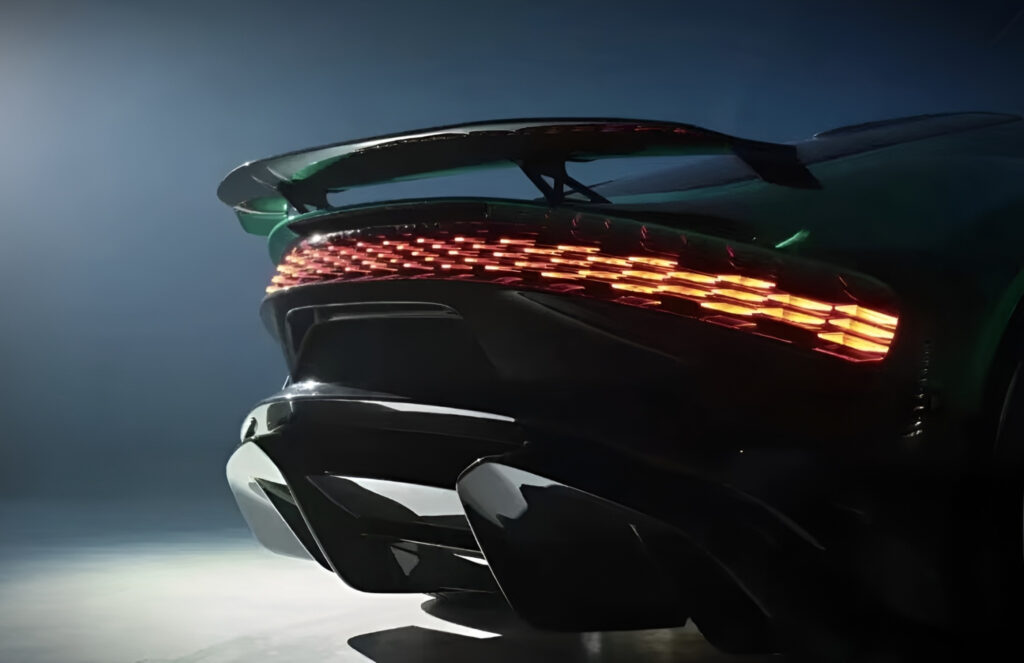
This data is still speculative. Earlier, there were also reports about the possible availability of both a fully electric version and a hybrid with a range-extender engine. However, there is no doubt that the car will be very fast.
Future Plans and the Second Model
This still unnamed car is part of the Dreame Auto “Starry Sky Plan” program, the launch of which into production is scheduled for 2027. The brand has announced a dual strategy covering the creation of ultra-sports cars and large luxury models.
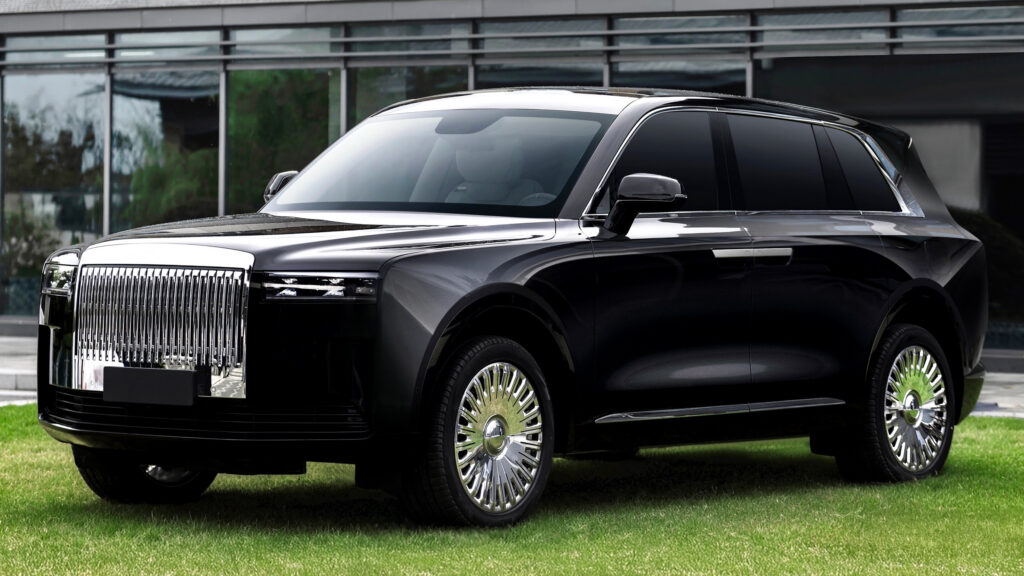
The company has already shown a concept of a massive SUV, the design of which evokes associations with the Rolls-Royce Cullinan. This SUV is also planned to be launched on the market in 2027. To appreciate the design evolution of the first model, it is worth comparing the new shots with the renderings published back in September. They clearly demonstrate how much the car’s concept has changed and in which direction it has developed.
The appearance of such a car from a new player in the market highlights the dynamics and ambitions of the Chinese auto industry, which is increasingly entering segments traditionally associated with European luxury brands. The emphasis on extreme performance and luxurious design indicates Dreame’s desire not just to copy, but to create competitive products with their own identity, even if the initial inspiration was automotive icons. The success of this strategy will depend on technical reliability, execution quality, and how well the company manages to convince the market of its own uniqueness.