 by
by New Electric Volkswagen ID. Polo
Volkswagen has introduced a fully electric version of its popular Polo model, named the ID. Polo, scheduled for release in 2026. The automaker announced a base price of €25,000, positioning the car as an affordable electric vehicle for the mass consumer.
However, reality may look different. According to German media, citing sources within the dealer network, only the most powerful and expensive trim will be available at the start of sales in April 2026.
Availability and Prices at Launch
Initially, buyers will be offered a version with 208 horsepower and a 52 kWh battery. Its expected price will significantly exceed the announced €25,000, approaching the €30,000 mark or even more, depending on additional equipment and taxes.
Officially, Volkswagen claims the delay will only be a few weeks. Dealers, however, are less optimistic. Some suggest it could take six months or even longer before the true budget version is actually available for order.

Reason for the Delay of Budget Versions
The main reason for this situation is battery supply chains. The budget base version with 114 hp and the mid-range version with 133 hp use a simpler and cheaper 37 kWh battery, which provides a shorter range but allows the price target to be met. It is precisely this battery that will not be ready by the sales launch date.
Volkswagen confirmed that the entry-level version will appear later, explaining the delay by the availability of cheaper power cells, not a sudden change in pricing policy.

Marketing Expectations and Business Strategy
This gap between promise and reality is significant, as a substantial part of the ID. Polo’s marketing message was built around the €25,000 figure. An exception will be the future GTI version, which will become the first electric Volkswagen to bear those letters.
A similar strategy is not unusual for automakers. They often start sales with more expensive and profitable versions to cover costs, manage supply, and satisfy enthusiasts willing to pay a premium to be among the first to get the new product.
The difference, according to analysts, lies in expectations. Volkswagen positioned the ID. Polo as a political and cultural milestone, an electric car for the masses that finally makes owning an EV normal and affordable. When this affordable version doesn’t appear immediately, disappointment is inevitable, even if the strategy makes business sense.
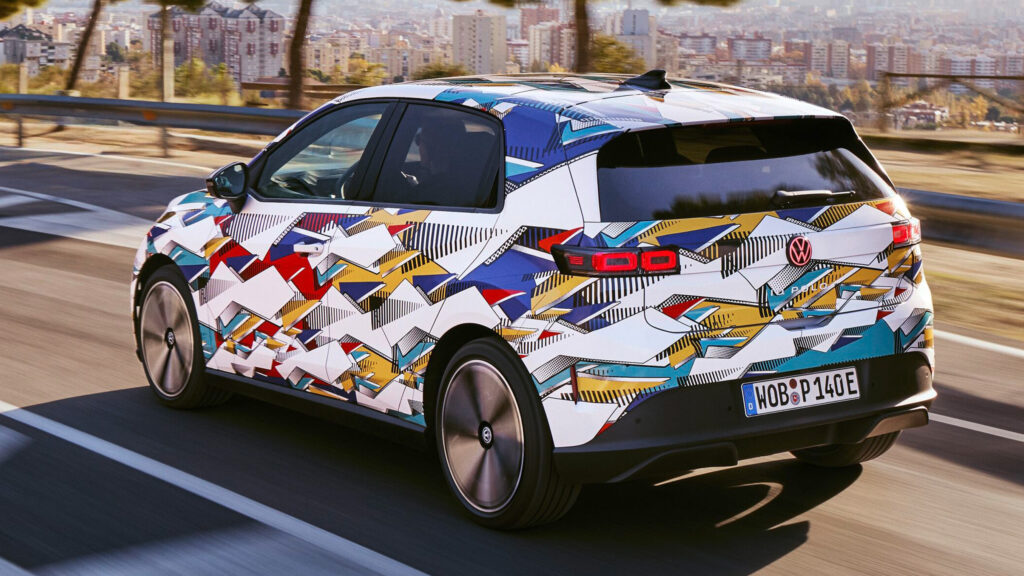
This approach can create a certain dissonance between loud statements about democratizing electromobility and the real possibilities for buyers. The model’s success among the general public will largely depend on how quickly the company can establish mass production of affordable batteries and offer a true budget version, not just its concept in press releases. This will be an important test for Volkswagen in the context of the overall market transformation and growing competition in the affordable electric vehicle segment.