 by
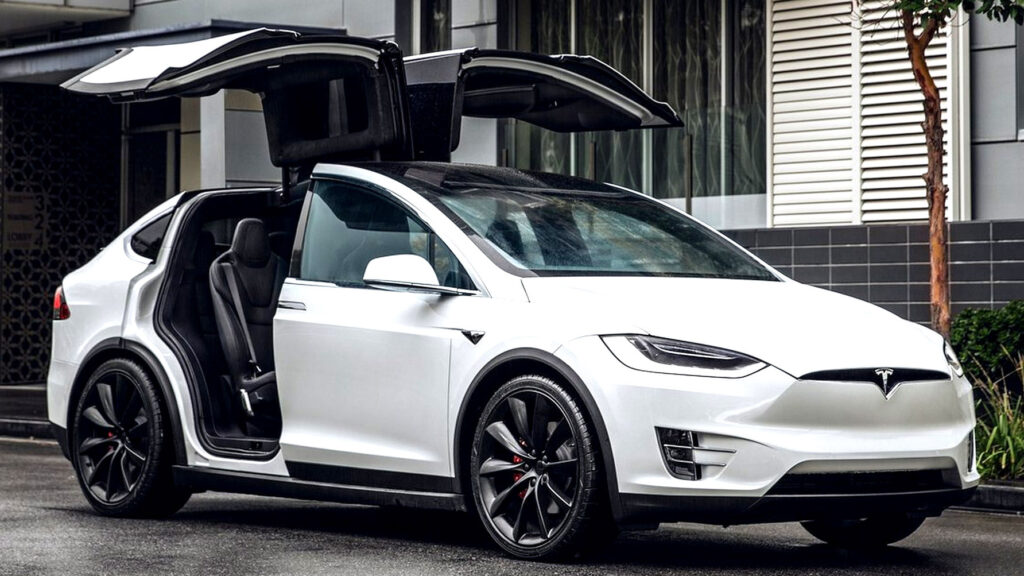
by A tragic incident on an Idaho highway has led to a lawsuit against Tesla. A head-on collision between a Tesla Model X and a truck resulted in the deaths of members of one family and their dog.
Crash Details
On the evening of September 1, 2023, a fatal accident occurred on Highway 33 in Idaho. A Tesla Model X crossed a double solid center line and collided with a commercial truck. The collision resulted in the deaths of the Tesla driver, her two children, her son-in-law, and the family dog. The truck driver was not injured. The crash site was closed to traffic for eight hours for investigation.
Lawsuit Against the Manufacturer
Nathan Blaine, the husband of the deceased driver Jennifer Blaine, who was not in the car during the crash, has filed a lawsuit against Tesla. He accuses the manufacturer of having faulty driver-assistance systems that failed to prevent the tragedy. Police determined that the Model X caused the accident by crossing into the oncoming lane.
Claims Regarding Tesla’s Safety Systems
The lawsuit alleges that the 2022 Tesla Model X was “unreasonably dangerous and defective.” Specifically, it mentions the allegedly ineffective operation of the autopilot and lane-keeping systems. Nathan Blaine claims that Tesla did not equip the car with driver-assistance systems that were “reasonably available” for that model and year and were intended precisely to keep the car in its lane.
The lawsuit focuses on specific features: “Lane Departure Avoidance” and “Emergency Lane Departure Avoidance.” According to Tesla, these systems are supposed to apply corrective steering or actively steer the car back into its lane when a potential collision is detected. The plaintiff claims these systems did not intervene before the Model X crossed the center line.

Questions About the Autosteer Function
The 33-page lawsuit, reviewed by The Independent, also criticizes Tesla’s Autosteer function. This function was advertised as one that “intelligently keeps the Model X in its lane.” The document states that Autosteer did not perform as advertised and did not prevent the fatal crash.
Attorney Lynn Shumway stated: “Tesla has done a lot of good things, in my opinion, but in this case, they performed inadequately. I think the technology is fantastic, but not the way Tesla is implementing it.”
Key Data and Future Investigation
It is important to note that in no accident report does the plaintiff mention data from the vehicle’s event data recorders. This data will likely become a key point in the court proceedings if it has been preserved. In the past, there have been seemingly inexplicable Tesla crashes that were later attributed to driver error.
Regardless of the circumstances of this specific crash, attorneys are expected to heavily rely on steering input data. This information should provide a clear picture of whether the driver made any significant steering wheel movements immediately before the crash.

This case once again raises complex questions about the distribution of responsibility between the driver and automated control systems in modern cars. It may also influence regulatory decisions regarding the testing and certification of such technologies. During the trial, it is likely that how Tesla’s safety systems operate in real conditions and whether the company clearly enough informs owners about their limitations will be analyzed in detail. The outcome of this case could become an important precedent for the entire automotive industry developing autonomous technologies.