 by
by A Rare Offer from Rivian
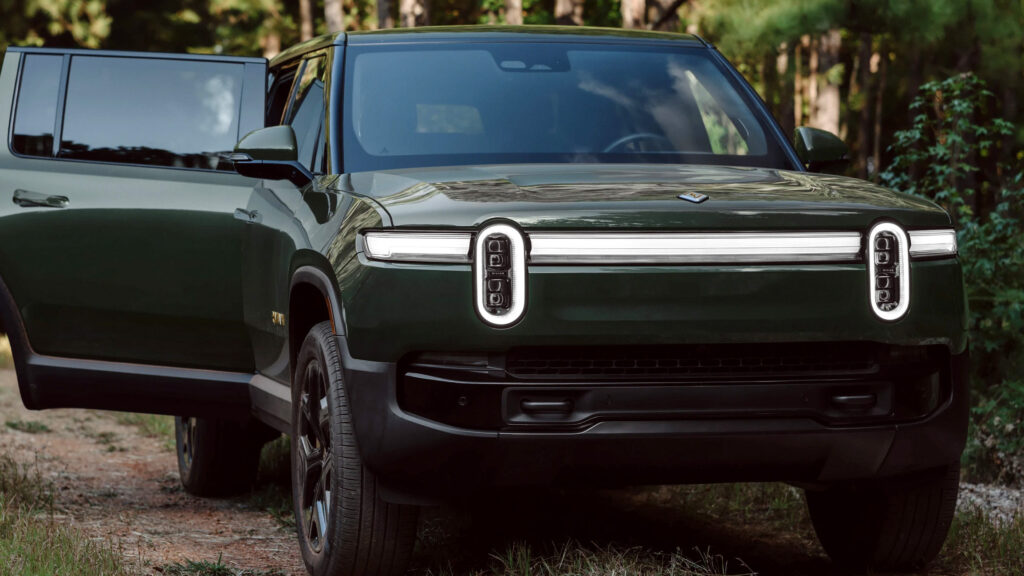
Rivian has introduced a unique deal for buyers of certain 2026 R1 models. Qualified buyers can obtain financing at 0% APR for terms of up to 60 months (5 years) on select R1T and R1S models.
This offer contrasts with the current market situation and indicates the company’s attempts to recover after a sharp drop in sales. The promotion’s terms are time-limited: it must be utilized by February 2nd, and vehicle delivery must be accepted by February 28th. The offer applies to new 2026 model year R1 vehicles with dual- or tri-motor setups, equipped with the large battery pack and Performance Upgrade package, provided financing is secured through Rivian Financial Services.
The Return of Zero Percent
Zero-percent deals were common before the pandemic but have become rare due to rising overall interest rates. Therefore, Rivian’s offer looks particularly attractive, considering it involves vehicles that can cost over a hundred thousand dollars. For example, with a qualified loan and a small down payment of $500, the monthly payment for an R1T Tri Max priced at $102,885 would be $1,706 with zero interest over 60 months.
Implications of the End of Tax Credits
The timing of this offer is not accidental. Rivian’s sales dropped significantly at the end of last year after federal EV tax credits expired in September. Fourth-quarter deliveries fell by more than 31% compared to the same period last year, and sales for the entire 2025 year decreased by 18.1%. The company stated the decline was expected, but expectations don’t pay the bills.
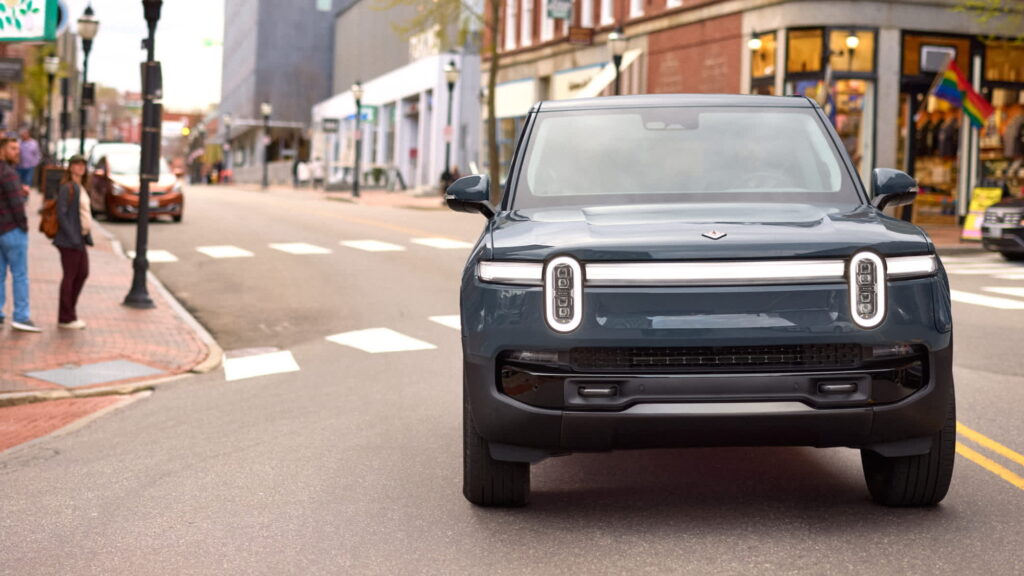
Since major electric vehicle tax credits are not returning anytime soon, Rivian appears to be trying to replicate some of the lost buyer benefit through financial incentives. The 0% financing does not reduce the Manufacturer’s Suggested Retail Price (MSRP), but over five years it can save buyers tens of thousands of dollars compared to conventional loans. The question is whether such an incentive will be enough to significantly boost sales.
The Future of the Brand and the Market
It is clear that Rivian, and likely other EV brands, will have to adapt to new market conditions. The main question is whether they can do so while maintaining their resilience.
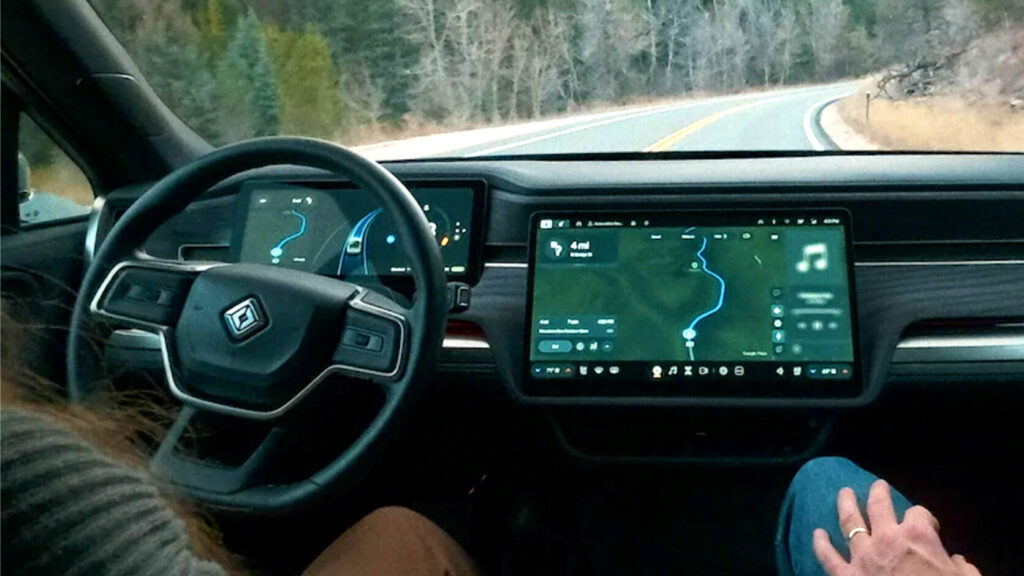
This aggressive marketing strategy points to a broader trend in the electric vehicle industry, where traditional incentives are replacing direct government subsidies. The success of such initiatives could set the tone for other manufacturers also facing difficulties after the reduction of state support. Long-term prospects will depend not only on pricing policy but also on technological development, the growth of charging infrastructure, and a shift in consumer preferences towards electric vehicles.