 by
by Chinese Automakers Could Capture a Third of the Global Market
According to analysts’ forecasts, in just a few years, Chinese automakers may not only disrupt the status quo in the global automotive industry but permanently redraw its map. Active overseas expansion, combined with advantages in electrification and cost control, allows them to aim for control over one-third of the global market within the next five years.
Analysts at the investment bank UBS emphasize that while the Chinese domestic market continues to grow, overseas expansion is becoming increasingly important for manufacturers. According to their estimates, foreign markets already account for about 20% of the Chinese automotive industry’s sales, and in some cases—up to half of the profits.
The main brakes have been the slowdown in Europe’s transition to electric vehicles, as well as tariffs and protectionism against Chinese EVs. I believe progress in 2024 was slower than expected, but recent signs indicate some catching up.
Global Consequences of the Expansion
Despite the fact that some traditional automakers have begun to retreat from their electric vehicle plans due to profit uncertainty and cooling demand, China’s long-term bets on electric cars, vertical integration, and aggressive supply chain development seem to be paying off. This has not only given Chinese brands a cost advantage but also facilitated production scaling and rapid response to market changes.

Frank Diana, Managing Partner at Tata Consultancy Services, notes that China’s advantage lies not only in scale but also in speed. UBS forecasts indicate that the rise of Chinese brands will seriously undermine the dominance of current leaders. The market share of Volkswagen and Toyota in key segments, which is 81% today, could drop to 58% by 2030. At the same time, Tesla’s global share, currently around 2%, could grow to 8%.
Production Localization and the Challenge for India
The international expansion of Chinese brands is also facilitated by the shift to localized production. In Thailand, manufacturers such as SAIC Motor, Great Wall, BYD, GAC, Changan Automobile, and Chery are already operating assembly plants. Great Wall and BYD have also established production in Brazil, and BYD is developing a large-scale plant in Hungary to support its growing presence in Europe.
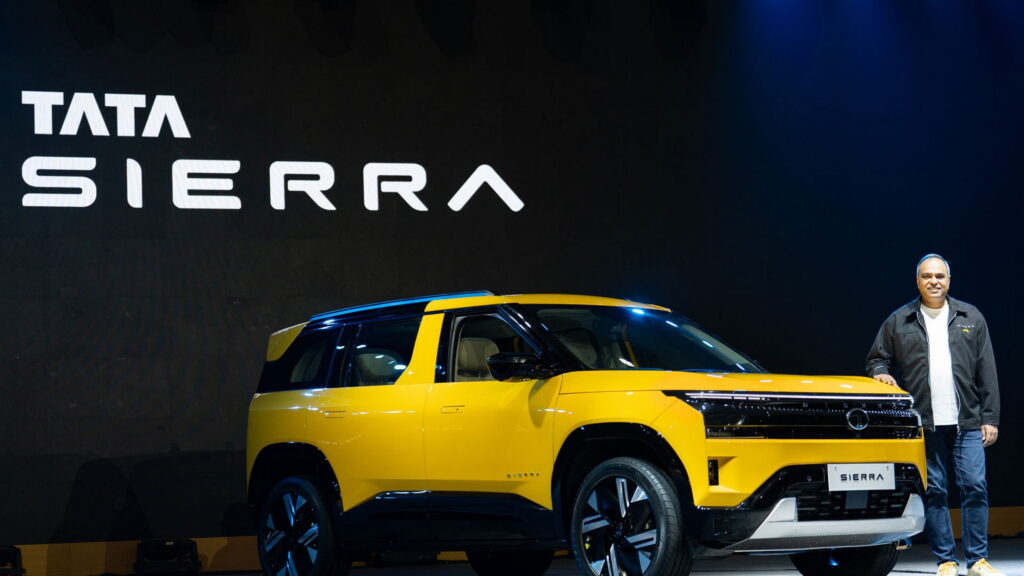
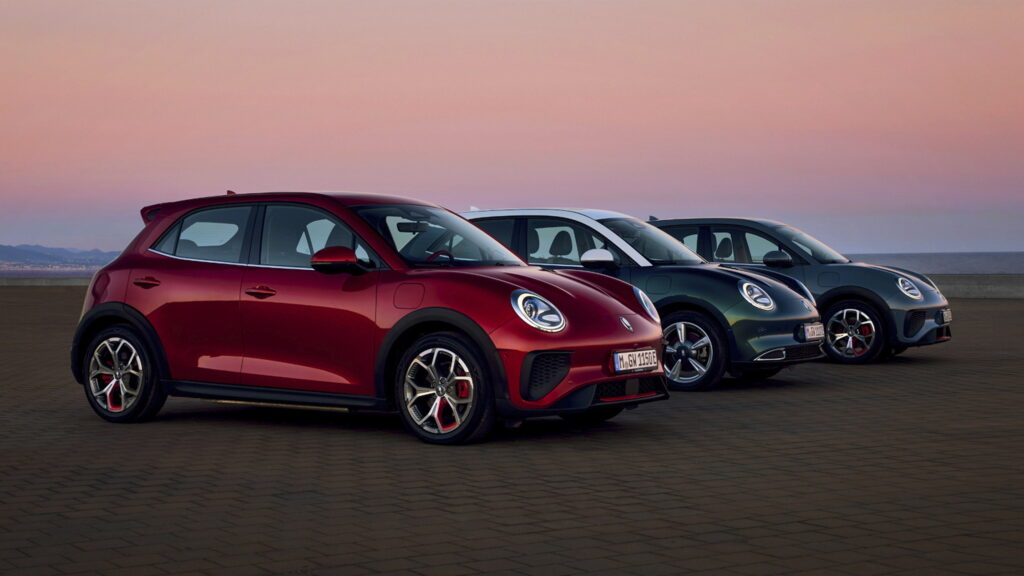
China is not the only country whose automotive industry could expand rapidly by 2030. India is also positioning itself for growth. Local automakers such as Tata and Mahindra are increasing their share in the domestic market and looking outward. However, they face stiff competition not only from the dominant player Maruti Suzuki but also from Chinese MG Motor, which has introduced several new models to the Indian market. BYD has also begun establishing its presence, and Chery and Great Wall have plans to enter the market.
The supply chain for EVs is dominated by Chinese companies. The Indian supply chain for EVs, including electronics, is imported from China.
Market Consolidation and the Future of Electric Vehicles
According to experts, the market is moving towards consolidation. The formation of tightly controlled supply chains, the ability to learn quickly, and efficient cost management have given Chinese companies an early advantage that is becoming lasting. This puts them in a strong position as the electric vehicle market matures, transforming into a more concentrated field with a few major players.
As a result of consolidation, the market is expected to be left with 10 to 15 platform orchestrators, which will include manufacturers and large technology companies. Thus, the geopolitical map of the automotive industry will undergo significant transformation, where traditional centers of power will be forced to adapt to a new reality shaped by the technological leaders of the East. The speed of innovation and the flexibility of business models will become decisive factors in the battle for the future of mobility.