 by
by Canada Reduces Tariffs on Chinese EVs and Attracts Manufacturers
The Canadian government, led by Prime Minister Mark Carney, has signed a new trade agreement with China that significantly changes the rules for importing electric vehicles. The agreement provides for a sharp reduction in tariffs from 100 percent to just 6.1 percent. However, imports will be limited by an annual quota of 49,000 vehicles, with half of them required to cost less than 35,000 Canadian dollars.
Prime Minister Carney called this agreement a cautious step, not a full market opening. He noted that the volume of 49,000 vehicles corresponds to the number of Chinese electric vehicles imported into Canada in 2023, which is less than three percent of the country’s total annual new car sales.
Interest of Chinese Automakers in Canada
After signing the agreement, Mark Carney reported that a number of Chinese automakers have already expressed interest in building plants on Canadian territory to produce affordable electric vehicles. He emphasized that this is an opportunity for Ontario and Canadian workers, implemented in a controlled manner.
“We have had direct conversations directly with Chinese companies… which are world leaders in this field, and they have expressed clear interest and intent to collaborate with Canadian companies,” said Carney.

Carney also noted that any Chinese manufacturer wishing to build electric vehicles in Canada will have to adhere to national labor standards. The goal of the agreement is to ensure Canada’s competitiveness in the future automotive market.
Reaction from the US and Domestic Criticism
Interestingly, US President Donald Trump positively assessed the deal, calling it good. However, not everyone in Canada shares such optimism. Ontario Premier Doug Ford sharply criticized the decision, warning of risks to the local economy.
“By lowering tariffs on Chinese electric vehicles, this unbalanced deal risks closing the door for Canadian automakers in the US market, our largest export destination, which would harm our economy and lead to job losses,” Ford stated.

Concern was also expressed by Unifor union president Lana Payne. She noted that providing a foothold for cheap Chinese electric vehicles, which are supported by massive state subsidies, jeopardizes Canadian automotive jobs.
Future of the Agreement and Market Impact
The agreement contains a provision for a review in three years to assess its impact on the market. This will allow the Canadian government to adjust the terms if negative consequences for domestic manufacturers or the economy as a whole are identified.
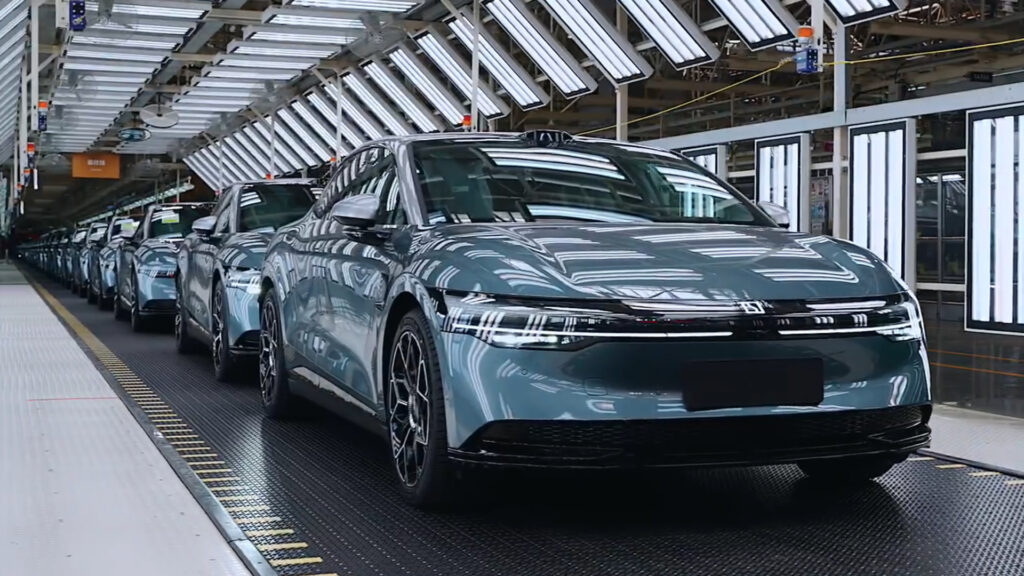
The signing of this agreement takes place against the backdrop of a global struggle for leadership in the electric vehicle market. Canada, with its rich reserves of minerals necessary for battery production, is trying to become an important player in this value chain. Attracting Chinese technology and investment could accelerate the development of its own industrial base, but at the same time creates dependence on a geopolitical competitor. The success of this strategy will depend on whether Canadian businesses and the government can ensure a real transfer of technology and protect national interests, rather than simply becoming an assembly site. The balance between market opening and protection of domestic production remains extremely delicate, especially given the tensions in trade relations between China and other Western countries.