 by
by Honda Discontinues Production of CR-V e:FCEV Hydrogen Crossover
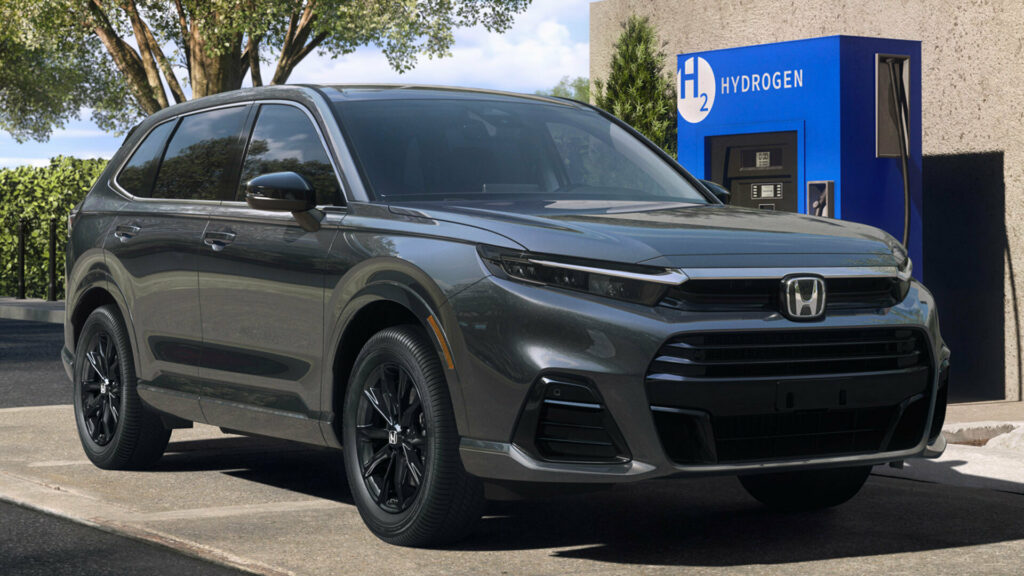
Japanese automaker Honda has confirmed that it will discontinue production of the CR-V e:FCEV hydrogen crossover in the future. This decision follows the closure of fuel cell production at the joint venture with General Motors. Currently, the vehicle remains available for lease in California.
End of Joint Production with GM
Earlier this week, Honda announced it would cease production of the current generation of fuel cells by the end of this year. These systems were manufactured at the Fuel Cell System Manufacturing joint venture with General Motors and were used specifically in the CR-V e:FCEV model.
In its statement, the company noted:
Production of the CR-V e:FCEV will continue at the Performance Manufacturing Center in Ohio until all fuel cells produced at FCSM are exhausted or allocated for other purposes.
After that, the crossover will join the Clarity Fuel Cell model in automotive history.
Current Sales and Availability
Despite the uncertain date for a complete production halt, Honda continues to offer the CR-V e:FCEV for lease in California. Although the company typically does not disclose detailed sales statistics, a company representative reported that approximately 200 such vehicles have been leased in the “Golden State.”
This number may seem small, but hydrogen cars remain extremely rare and are only available at a limited number of dealerships. For comparison, Toyota sold only 210 Mirai sedans last year.
Model Features and Specifications
The CR-V e:FCEV debuted in the summer of 2024 and was available for lease at only 12 dealerships in California. The company offered several lease options, including a three-year agreement for $459 per month with a $2,959 down payment, which also included a $15,000 hydrogen fuel credit.
The vehicle came well-equipped: a power-operated tailgate, 18-inch wheels, bio-component leather, heated front seats and steering wheel. The interior features a 10.2-inch digital instrument cluster, a 9-inch multimedia system, and a 12-speaker Bose audio system. Additionally, it includes wireless smartphone charging and dual-zone climate control.
Unique Powertrain
The most interesting feature of the CR-V e:FCEV is the combination of a fuel cell with a plug-in hybrid powertrain. This solution provides the crossover with an electric range of 29 miles (47 km), significantly reducing hydrogen consumption.
The powertrain includes a 17.7 kWh battery and tanks storing 9.5 pounds (4.3 kg) of hydrogen. Electricity is supplied to a front electric motor producing 174 hp (130 kW) with 229 lb-ft (310 Nm) of torque. The total EPA-estimated range is 270 miles (435 km).
The Future of Honda’s Hydrogen Technologies
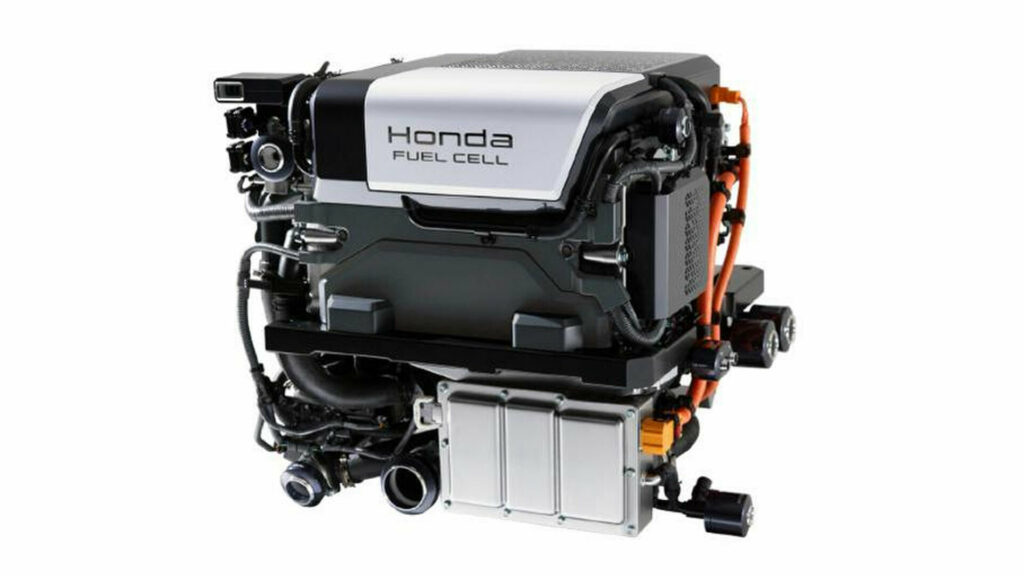
Despite discontinuing production of the CR-V e:FCEV, Honda is not abandoning hydrogen technologies. The company has already announced plans to develop a next-generation fuel cell, which is being created in-house. This development aims to expand business opportunities and make hydrogen a key direction for the brand’s future.
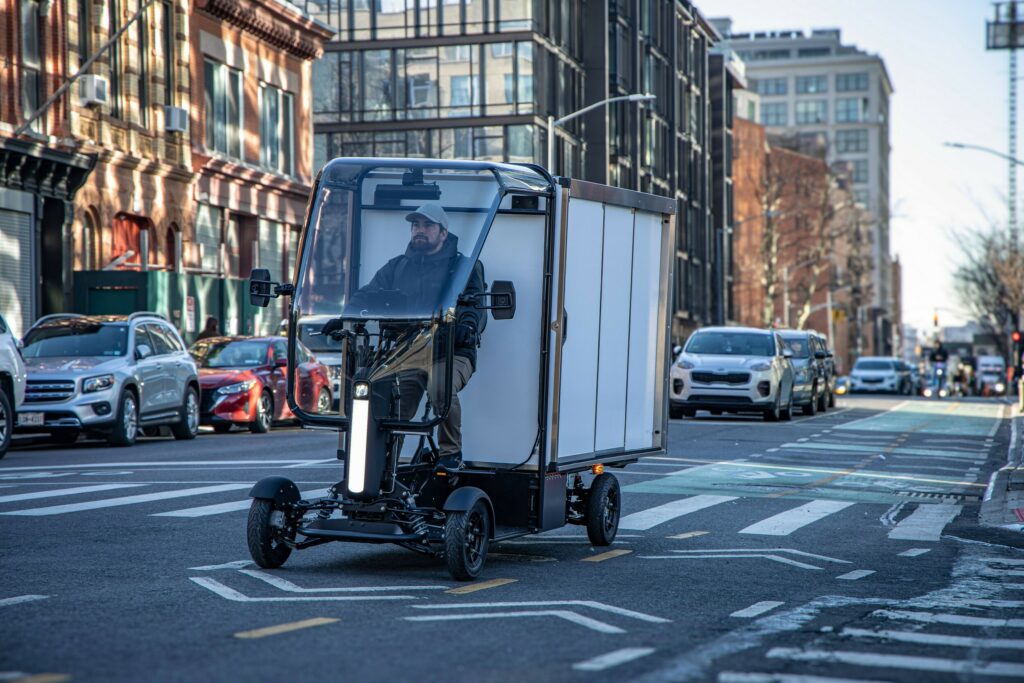
The former production site for the Acura NSX, the Performance Manufacturing Center, will now focus on producing the Fastport eQuad electric delivery van.
The situation with the CR-V e:FCEV vividly illustrates the complex transitional period in the automotive industry, where alternative technologies are fighting for market share. The limited infrastructure for hydrogen vehicles, especially compared to electric ones, remains a key challenge for their mass adoption. Honda’s decision to focus on a new generation of technologies demonstrates a strategic long-term belief in the potential of hydrogen, even if individual models do not achieve broad market success. The parallel development of electric commercial vehicles at the same production site demonstrates the company’s flexibility and its ability to adapt to market realities.