 by
by Artificial Intelligence to Become a Tool for Detecting Illegal Drivers
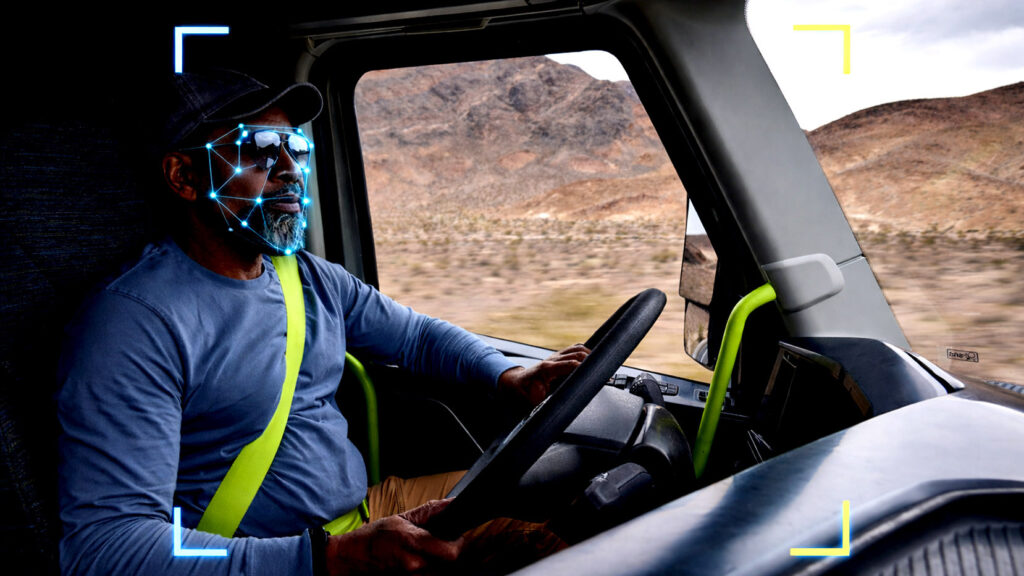
The US government plans to employ artificial intelligence and powerful data analysis to search for companies that hire illegal foreign truck drivers. Instead of immediately replacing people behind the wheel, the technology is being directed at detecting violations in the employment sphere.
Authorities’ Position on Impact on Wages
At the annual meeting of the Transportation Research Board in Washington, US Deputy Secretary of Transportation Steven Bradbury presented this plan. He stated that agencies are actively implementing AI to improve oversight and detect violators significantly faster than human inspectors could.
Bradbury asserted that illegal foreign drivers are a widespread problem that lowers the wages of legitimate American long-haul truckers. He described this practice as one that “takes food off the table of local drivers,” reducing pay to unacceptable levels.
This is, unfortunately, a very common practice in the country
The idea is that smart algorithms will be able to comb through vast arrays of licensing and employment data to find patterns of fraud that typically go unnoticed.
Pressure on States and Regulatory Actions
The Federal Motor Carrier Safety Administration is already increasing pressure on states that issued dubious commercial driver’s licenses. Some states are threatened with the loss of authority to issue licenses and even multimillion-dollar withholdings of transportation funding if they do not improve the situation.

According to the Administration’s estimates, an emergency rule aimed at revoking licenses issued to individuals without a permanent state residence could affect approximately 200,000 jobs in the trucking industry. Currently, the implementation of this rule is suspended by a federal court while officials review thousands of public comments, many of which strongly oppose the harsh measures, fearing disruptions to supply chains.
Deregulation Policy and the Future of Autonomous Vehicles
The plan to use AI fits into a broader political picture. Bradbury in his speech emphasized the administration’s aggressive deregulation program. He also used the moment to reaffirm the Department of Transportation’s renewed focus on regulating autonomous vehicles, stating that the agency is resuming work that had stalled over the past four years.
For transportation companies, the message is clear: an era of smarter computers that will be watching closely is coming. The question of whether this will lead to safer highways or simply more bureaucratic headaches remains open, but the era of digital highway police for freight operators has officially begun.
This initiative reveals the complex dynamics of the logistics labor market, where technological progress is intertwined with socio-economic and migration issues. The emphasis on deregulation simultaneously with enhanced electronic surveillance creates a contradictory picture, where the fight against labor rights violations can be used for broader political goals. The success of such programs will depend not only on the capabilities of the algorithms but also on considering the real consequences for thousands of drivers and the stability of the entire transportation sector, which is critically important for the economy.