 by
by Audi Halts Plans for U.S. Plant Construction Due to Lack of State Support
The German automaker Audi aims to increase its presence in the American market; however, these plans have encountered serious obstacles. The management of the Volkswagen Group conglomerate, which includes the brand, states that the idea of building the first Audi plant in the United States is not progressing for now.
The main reason is the high tariffs on imported cars, introduced during Donald Trump’s presidency. These duties have hit Audi particularly hard, as most of its models for the American market are manufactured in Mexico and Europe. Unlike its competitor BMW, which assembles popular SUVs at its plant in Spartanburg, Audi is forced to either absorb a significant portion of these additional costs or pass them on to buyers, making the cars less competitive.
Financial Constraints and Negotiations
Volkswagen Group CEO Oliver Blume, in an interview with the German newspaper Handelsblatt, stated that the tariff burden significantly limits the company’s financial capabilities for large-scale investments.
“Given the unchanged tariff burden, major additional investments are financially unviable,” said the head of the conglomerate.
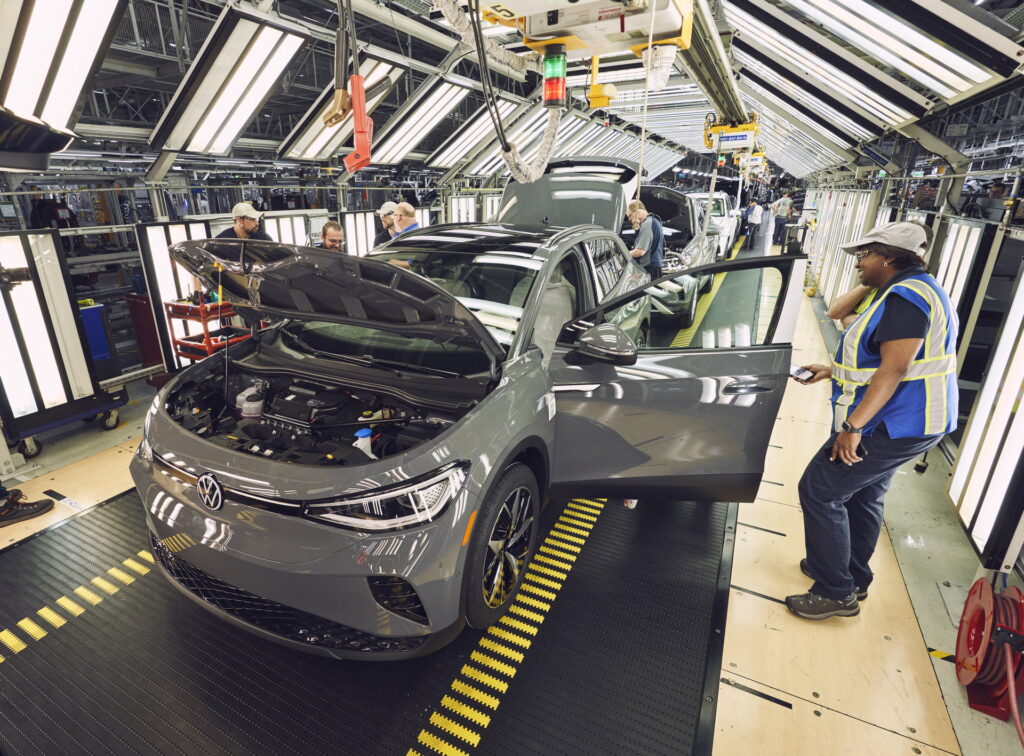
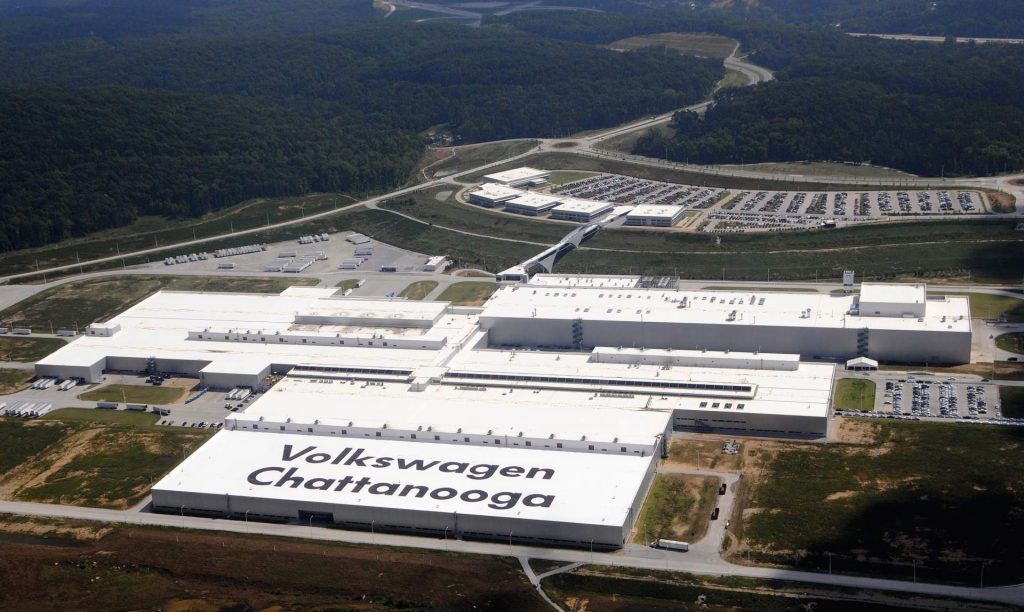
Despite this, Audi actively explored possibilities for construction. Options considered included expanding the existing Volkswagen plant in Chattanooga, Tennessee, as well as building a new site in South Carolina, where a plant for the subsidiary brand Scout Motors is already under construction. Both states offered certain incentives; however, the company was counting on direct financial support from the U.S. federal government, arguing it would create new jobs. So far, these negotiations have not yielded the desired result.
“The President is aware of our investment plans and our strategy. However, our discussions with the Secretary of Commerce and the President have not yet produced the results necessary for a further decision,” Blume noted.
Additional Difficulties: Labor Costs and Internal Pressure
The problem is not limited to just finding a site and state support. A significant factor is also the rising cost of labor. Workers at the Volkswagen plant in Chattanooga recently joined the UAW union, and future wage negotiations could make any production expansion even more expensive.
Furthermore, the conglomerate’s management in Germany will have to obtain approval for multi-billion dollar investments in the U.S. from worker representatives, while simultaneously implementing cost-optimization measures at home, which is a challenging task.
A Deadlock and the Brand’s Future in the U.S.
For now, Audi finds itself in a trap. On one hand, local production in the U.S. is the only way to avoid devastating tariffs and halt the decline in sales, the goal of which is to double registrations in America. On the other hand, these very tariffs are draining the money needed to build such a plant.
For the time being, the U.S. market remains critically important, yet simultaneously problematic for Audi. Without its own production site, the brand will continue to incur significant financial losses on every imported SUV, limiting its competitiveness and growth potential. Resolving this dilemma requires either changes in U.S. foreign economic policy or the Volkswagen Group’s willingness to find internal reserves for a breakthrough investment, despite all the risks.
This situation vividly illustrates how geopolitics and trade policy can influence the strategic plans of even the largest players in the automotive industry. The delay in plant construction not only maintains financial pressure on Audi but also gives additional time to competitors who already have localized production to strengthen their positions. The long-term consequences may affect not only the Audi model range and car prices in the U.S. but also the overall investment structure of the Volkswagen Group worldwide.