 by
by The new Renault Duster has been officially unveiled in India. While the car’s overall silhouette remains recognizable, Renault has given it a new style, exterior details adapted for the local market, and an updated interior. The goal is to stand out in the crowded SUV market.
Updated Exterior for the Indian Market
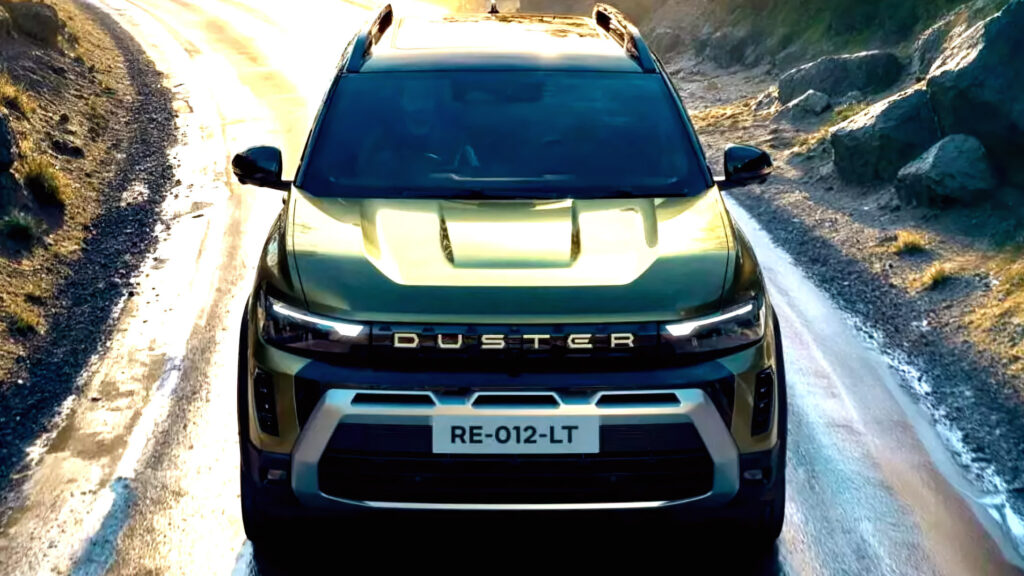
Visually, the Indian version of the Duster differs from global models with a number of external changes. The headlight units have retained their previous shape, but the LED graphics are now simpler, without the global Y-shaped motif.
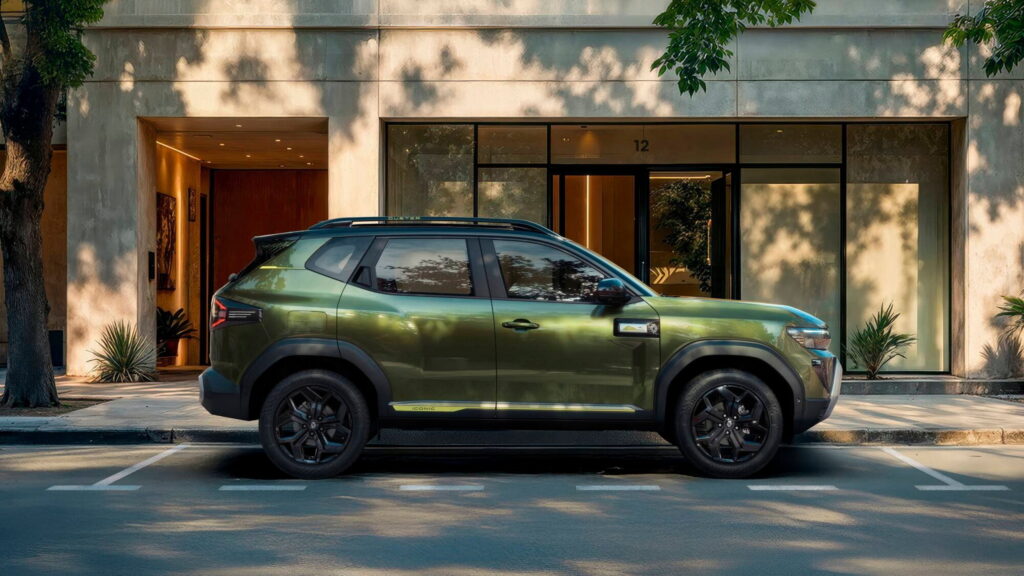
The radiator grille features a large Duster inscription, and the front bumper looks more aggressive thanks to a massive aluminum engine skid plate and enlarged side air intakes. On the car’s profile, decorative grilles with the Renault logo have appeared on the front doors instead of plastic trim, and vertical slits have been added to the D-pillars.
The rear lights have retained their triangular shape but are now tinted with updated internal graphics. A new LED light strip stretches across the entire tailgate, and the bumper and license plate housing have been completely redesigned.
A More Premium Cabin
If the exterior resembles a mid-lifecycle update, the interior has been changed radically. Renault has completely redesigned the cabin layout, added more features, and updated key elements for a more refined feel.
The digital panel includes a 10.1-inch central touchscreen and a 10.25-inch digital instrument cluster. Both elements look more organically integrated into the dashboard, and the multimedia system now runs on an embedded Google package with voice control and navigation.
The combination of artificial leather inserts and updated seat upholstery creates a more premium atmosphere, complemented by ambient lighting, redesigned air vents, and a cleaner center console design.
The list of equipment now includes a panoramic sunroof, an Arkamys-tuned audio system, electrically ventilated seats, and a power-operated tailgate. Safety has been significantly improved: six airbags and a full suite of ADAS systems are now standard equipment, which is a serious step forward.
Renault also emphasizes practicality: the trunk volume is 518 liters, increasing to 700 liters when loaded up to the roof.
Powertrain Lineup
The new model is based on the modular Renault CMF-B platform, which is already used globally. For the Indian market, the Duster is offered with three powertrain options, all with front-wheel drive.
The base engine is a turbocharged 1.0-liter three-cylinder unit producing 99 hp, paired with a 6-speed manual transmission. The next option is a 1.3-liter turbocharged four-cylinder engine producing 158 hp, mated to a 6-speed dual-clutch automatic transmission. At the top of the lineup is a self-charging hybrid setup based on a 1.8-liter gasoline engine and two electric motors, delivering a combined 158 hp.
However, all-wheel drive is absent in all variants. Unlike the European version, the Indian Duster is limited to front-wheel drive only, which may limit its appeal for off-road enthusiasts.
Production and Competition
Renault has already opened pre-orders for the new Duster in India, although pricing information has not yet been disclosed. In the market, the model will face powerful competitors such as the Hyundai Creta, Kia Seltos, Maruti Suzuki Grand Vitara, Toyota Urban Cruiser Hyryder, Skoda Kushaq, Volkswagen Taigun, MG Astor, and the upcoming Nissan Tekton, which is a technically close model.
Unlike global versions produced in Romania and Turkey, the Indian Duster will be manufactured locally at Renault’s plant in Chennai. The company claims a 90% localization level, meaning almost all components are sourced from India, not imported as assembly kits.
Localizing production and adapting the model to the specific demands of Indian buyers are key strategies for success in one of the world’s largest and most dynamic automotive markets. The absence of all-wheel drive may be a deliberate compromise to reduce cost and simplify construction, aimed primarily at urban use. The model’s success will depend on the final pricing policy, as price is traditionally the decisive factor in this segment.