 by
by The Return of an Iconic Engine
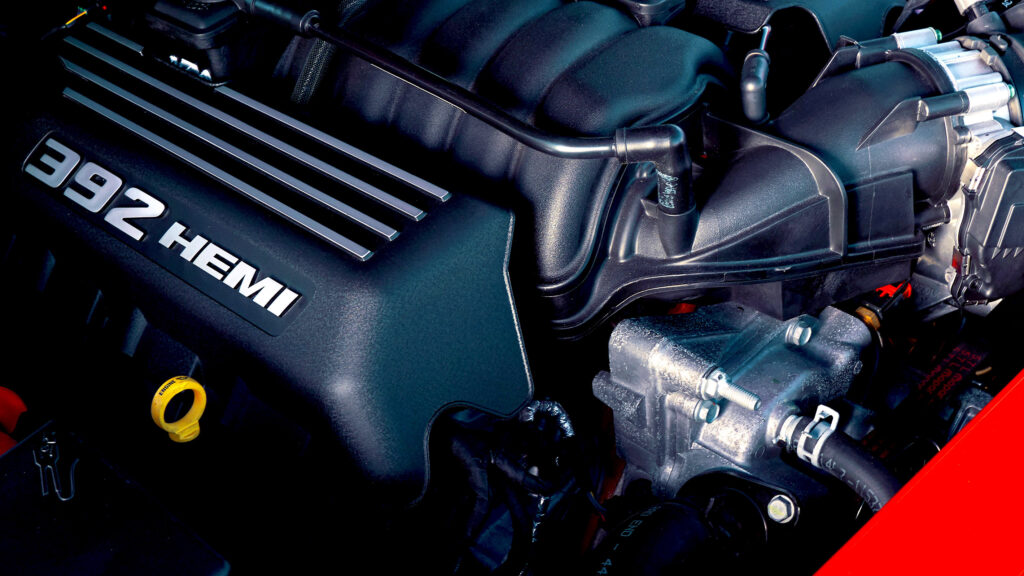
A change in leadership and relaxed fuel economy requirements have shifted Ram’s priorities for 2026, bringing them back to something familiar. Under the guidance of longtime muscle car enthusiast Tim Kuniskis, the brand is preparing for a full-scale return of the Hemi engine.
Ram, which refocused on the Hemi late last year, has now confirmed that Stellantis intends to more than triple the production of this engine in 2026.
Ram’s CEO Says Dodge And Ram Could Reunite, But Doubts Anyone Would Care
Production is already in full swing at the Saltillo Engine Plant in Mexico, where Stellantis assembles 5.7-liter, 6.4-liter, and 6.2-liter supercharged Hemi V8 engines. They are assembled alongside the newer 3.0-liter bi-turbo inline-six Hurricane engine, which was initially intended to completely replace the Hemi.
Increasing the Bet on Hemi
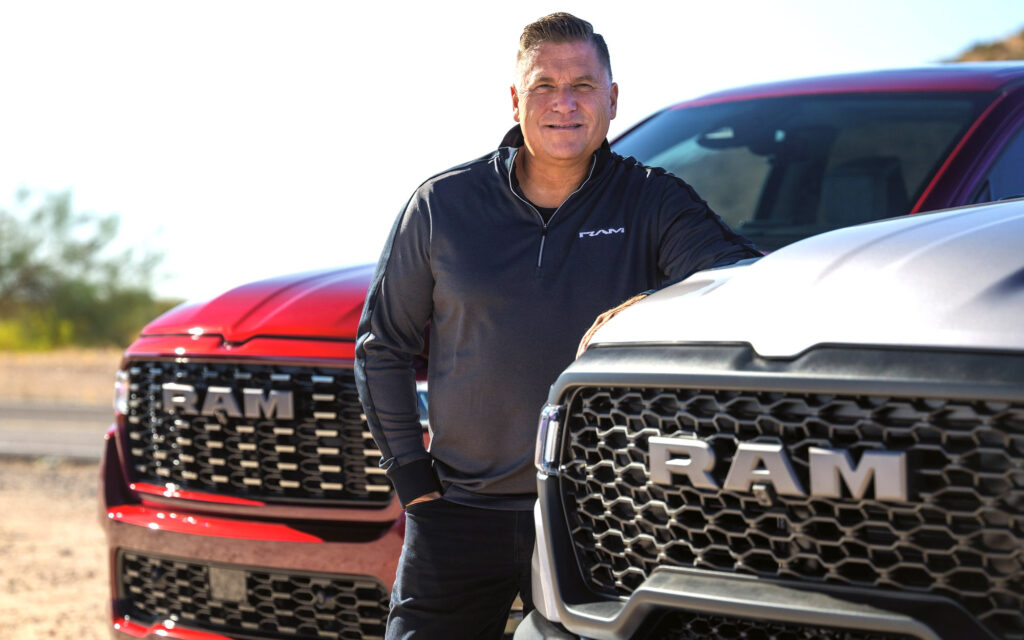
However, Kuniskis sees sustained demand for the good old V8, estimating that it could be installed in 35 percent of the 2026 Ram model lineup.
Last year, Stellantis produced about 30,000 Hemi V8 engines, although only about a third reached customers. This year, the situation is set to change.
Only One V8 Makes Sense For The New Charger, Says SRT Boss
“This year we will cross the 100,000-engine mark,” said Tim Kuniskis in a recent interview. “So, now we will start approaching the real consumer demand for this engine.”
Kuniskis added that 2026 will be the year when the automaker gets a clear understanding of the sales ratio between the inline-six Hurricane and the Hemi engines.
The Choice Belongs to the Customer
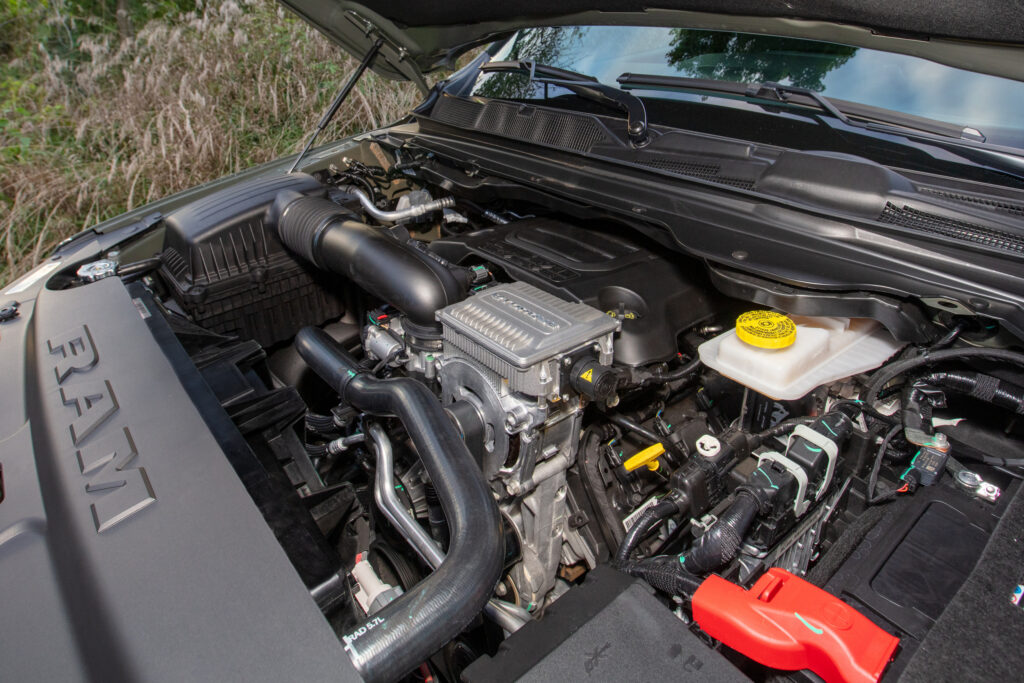
“So, 2026 will truly show the real ratio between the T6 and the HEMI,” he noted, “because I am convinced that the T6 is a great engine. When comparing them side by side, the HEMI selection share might be around 35 percent.” In a conversation with Top Speed, he acknowledged that some people consider his estimate too high, while others suspect he “underestimated” the demand.
2026 Ram 1500 V8 Hemi Is Worse On Paper But Better In Reality Than The Hurricane Six
Whatever the final share of Hemi engines turns out to be, Ram understands that it is important to offer its customers a choice.
“Customers were disappointed that we didn’t give them a choice. People hate when there is no choice,” explained Kuniskis. “Let me make the choice. Do I want a naturally aspirated turbo six, a powerful turbo six, or maybe a Hemi?”
These plans by Stellantis indicate an interesting twist in the automotive industry, where traditional technologies are getting a second chance. The decision to significantly increase the production of eight-cylinder engines, despite the overall global trend towards electrification and downsizing, points to a deep understanding of market niches and customer loyalty. The success of this strategy will depend not only on nostalgia but also on the company’s ability to balance environmental regulations with the desires of buyers who still value the character and power of large gasoline engines. The future will show whether this bet will prove to be a winning one in the long term.