 by
by A Curiosity-Sparking Discovery
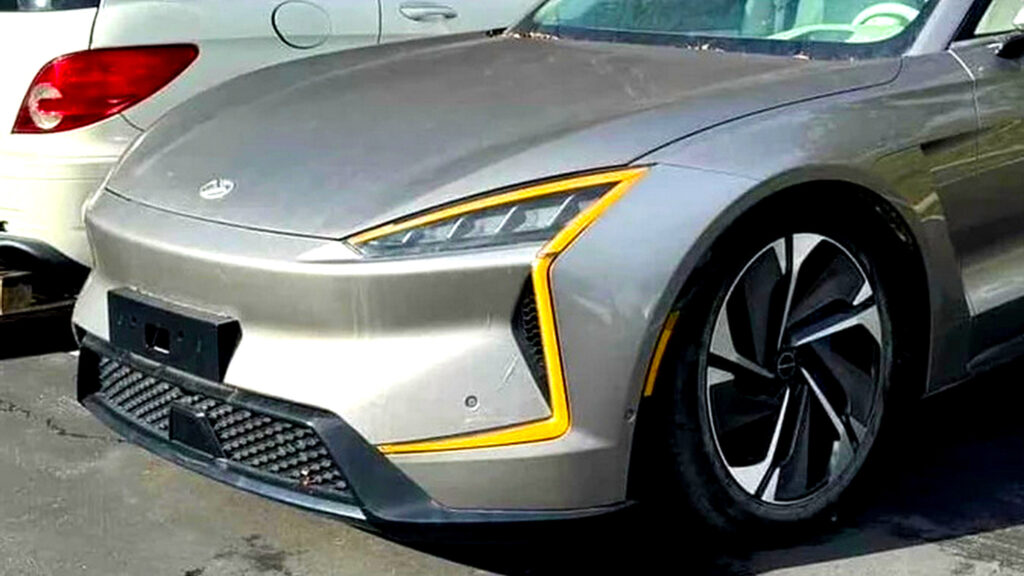
A dust-covered prototype, discovered in a California parking lot, has sparked lively discussion on forums and social media. Worn and abandoned, it is yet another grim reminder of how ruthless the electric vehicle market battle can be, especially for startups trying to establish themselves in a rapidly changing market that consumes vast sums of money and waits for no one.
This concerns a car that looks like an almost production-ready version of the SF7 concept, first unveiled by SF Motors back in 2018. This company was later renamed Seres, and subsequently, in partnership with the Chinese tech giant Huawei, the Aito brand was created. Keeping track of all these changes can indeed be challenging.
Grand Plans That Never Materialized
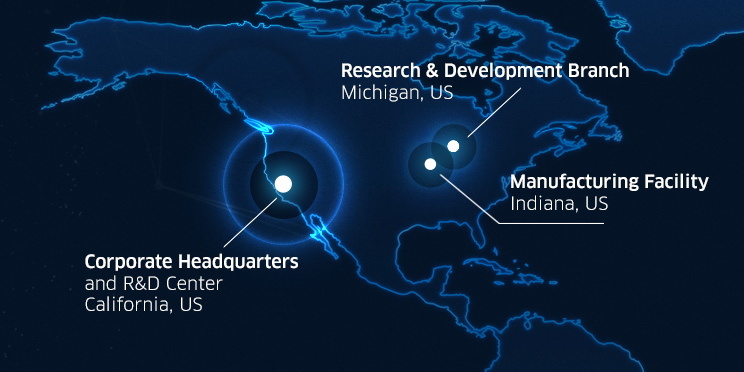
Nevertheless, the Chinese automaker once had grand plans for the North American market. In 2018, it purchased a plant in Mishawaka, Indiana, for $160 million, intending to produce electric vehicles on American soil and go head-to-head with Tesla.
That same year, the company also opened a 12,000-square-meter development and low-volume production center at the McCarthy Creekside industrial hub in Milpitas, California.
However, the very next year these plans were frozen. The official reasons cited were changing market conditions and the usual difficulties of trade between the US and China. Unofficially, it was clear the project was doomed.
Outlines of an Unrealized Future
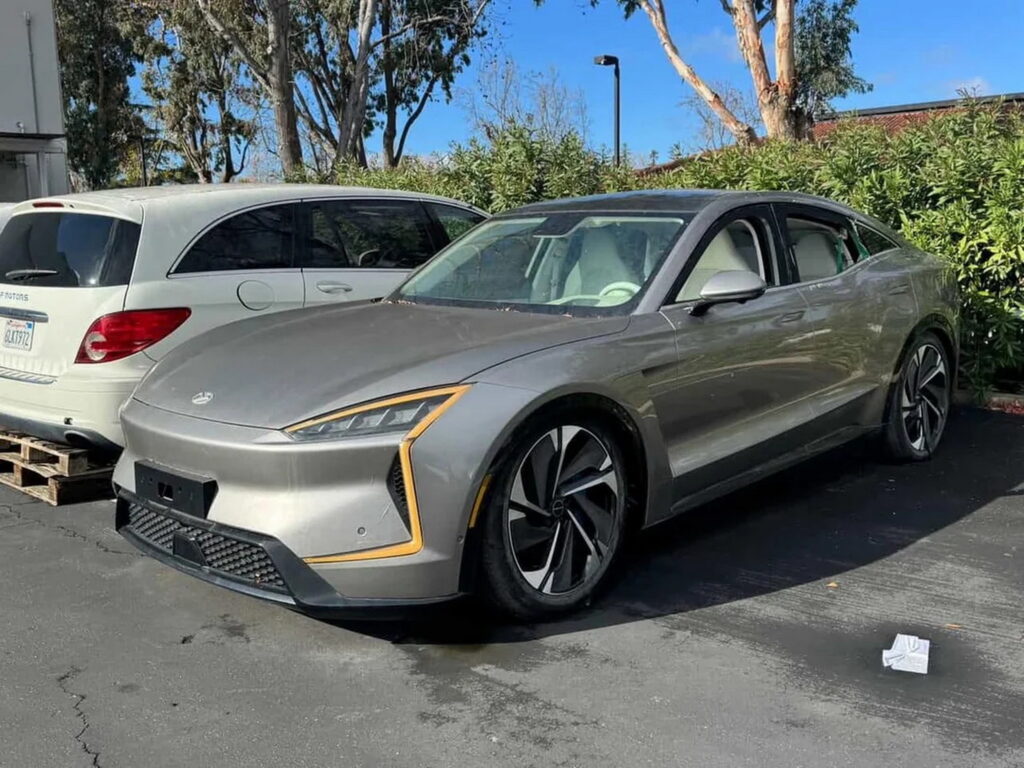
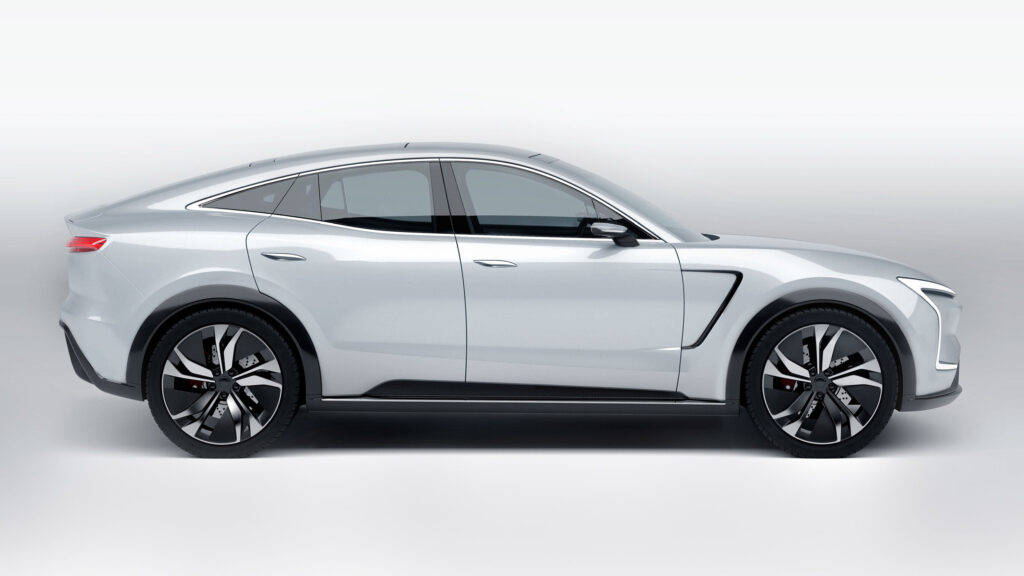
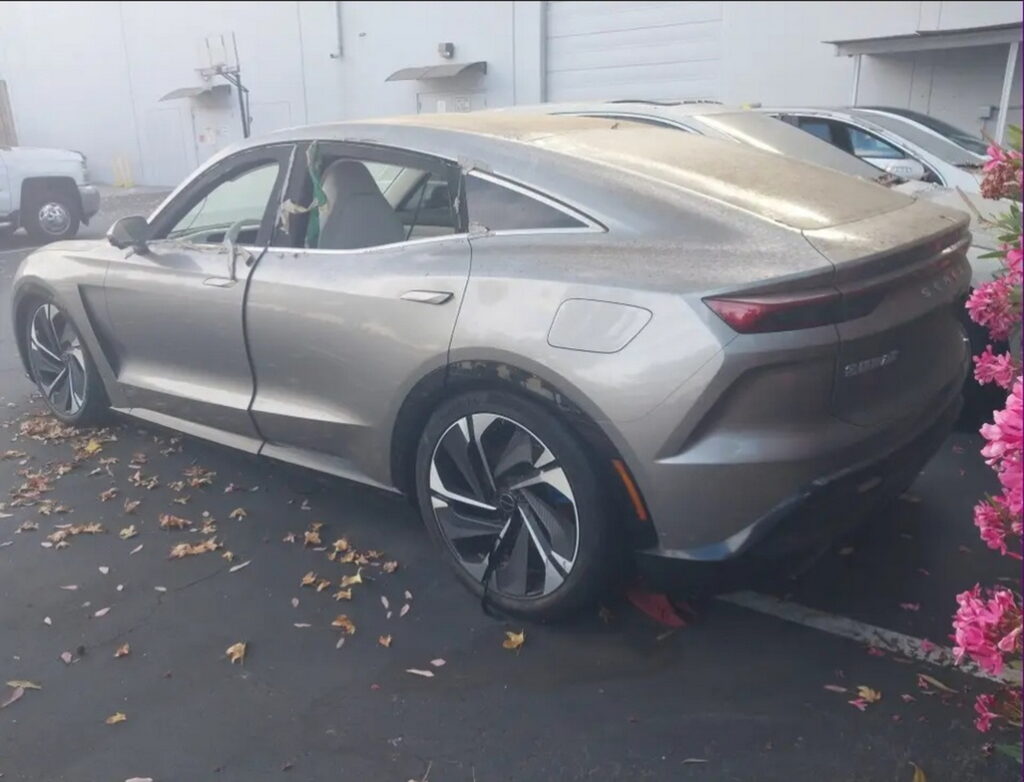
The abandoned prototype, first noticed by forum users and Reddit investigators, was discovered in the parking lot of the SF Motors facility in Milpitas. Compared to the original SF7 concept, this one looks much closer to production: it has redesigned bumpers, altered fender shapes, and more traditional light units.
Overall, the car resembles a mix of a sedan and a fastback crossover, with moderate wheel arch flares and a streamlined roofline. The presence of features for the American market, such as amber turn signals, indicates it was being prepared for local certification.
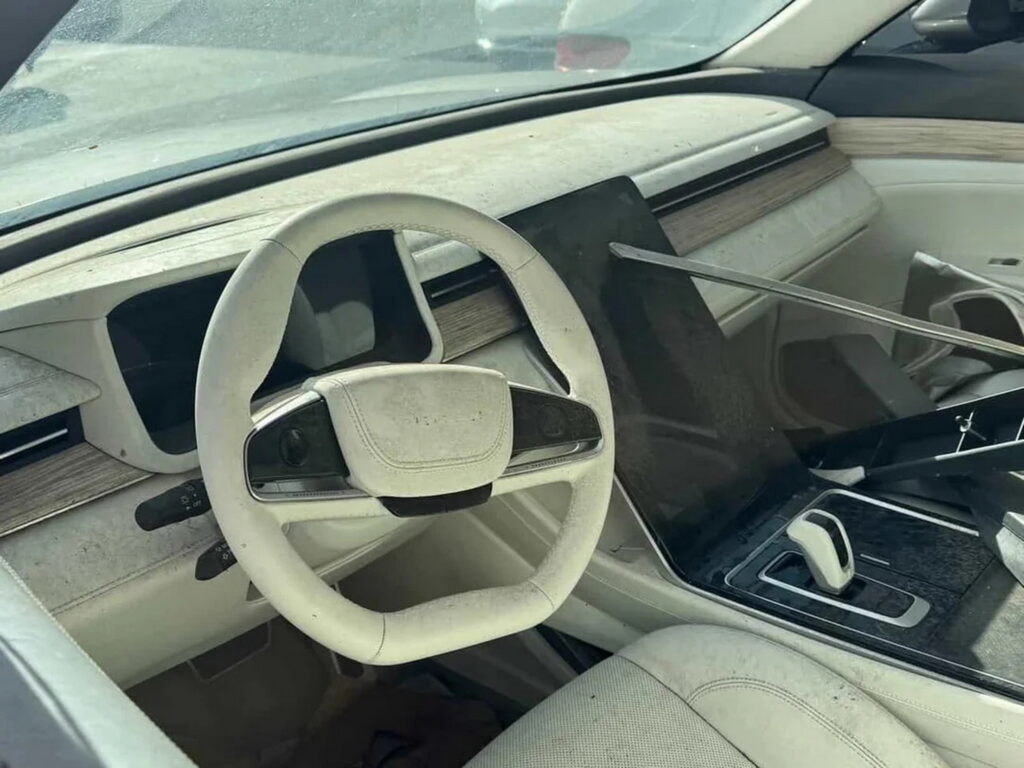
The interior features a large portrait-style multimedia system display and a digital instrument panel. The trim is executed in white leather and wood inserts, but due to partially open windows, the interior has clearly suffered from exposure to the elements.
Specifications That Never Hit the Road
It was initially planned that the SF7 would be built on a dedicated EV platform and receive four electric motors with a combined output of up to 1,000 horsepower. A liquid-cooled battery pack was supposed to provide a range of about 300 miles (483 kilometers), which would have put the SF7 in direct competition with premium electric SUVs of the time.
While the SF7 never made it to showrooms, the slightly smaller SF5 model found a second life. This concept evolved into the Seres 5, as well as the Aito M5, developed in partnership between Seres and Huawei.
An Unrealized Dream
This neglected test vehicle in California is a reminder of how close SF Motors came to launching its cars in the US. But in the end, these plans were never realized.
The plant in Mishawaka, initially chosen for production of the SF5 and SF7, once produced the Mercedes R-Class. This likely explains the presence of a white R-Class sitting on pallets next to the abandoned SF7.
The old Mercedes crossover bears SF Motors emblems and was modified to test a “high-performance electric powertrain.”
From One Collapse to Another
After SF Motors canceled its US production plans, the Indiana plant passed to Electric Last Mile Solutions (ELMS), a startup that later declared bankruptcy. In 2022, ownership transferred to Mullen Automotive, but by the end of 2025, the company handed the plant over to the GEM group to settle residual legal obligations.
The story of the abandoned SF7 prototype is a vivid example of the dynamics and risks of the modern automotive market, especially in the electric vehicle sector. It demonstrates how ambitious international projects can collapse due to geopolitical tensions, changing economic conditions, and fierce competition. This case also illustrates the lifecycle of industrial assets, which can change hands multiple times in search of a new purpose. The success of the Seres and Huawei partnership in other markets, which gave rise to Aito, contrasts with the failure of the American venture, showing how crucial the right alliances and a deep understanding of local conditions can be.