 by
by Jaguar Land Rover could build Chery vehicles in the UK. This could help the company to increase plant utilization. The government is said to be supportive of the move.
Jaguar’s Production Capacity Problem
Jaguar ceased production of internal combustion engine vehicles back in December of last year, and the company is now awaiting the start of production for the electric Type 00 model, which will debut this year. However, even when this model appears, it will be a limited-edition electric vehicle with a six-figure price tag.
This means Jaguar will have a huge amount of unused production capacity. New reports suggest the company could use it to manufacture Chinese cars in the UK. Such a scenario could become a profitable deal for all parties, although other automakers might suffer from it.
British Plants Could Start Assembling Chinese Cars
According to data, Jaguar Land Rover could be involved in the production of Chery vehicles in the UK. This would be an interesting development, and the proposal is reportedly supported by the British government, which has been trying to attract Chery for years, hoping to secure their presence in the local market.
JLR and Chery are reportedly conducting “exploratory talks” during Prime Minister Keir Starmer’s visit to Beijing. However, other sources report that the two companies are on the verge of signing a deal.
Long-Term Partnership Could Expand
Whatever the situation, Jaguar Land Rover and Chery have a long-term partnership. They formed a joint venture back in 2012, and the plant in Changshu opened two years later with an annual production capacity of 130,000 units. In 2017, an engine manufacturing plant opened, and in 2024, the joint venture announced plans to create the Freelander brand.
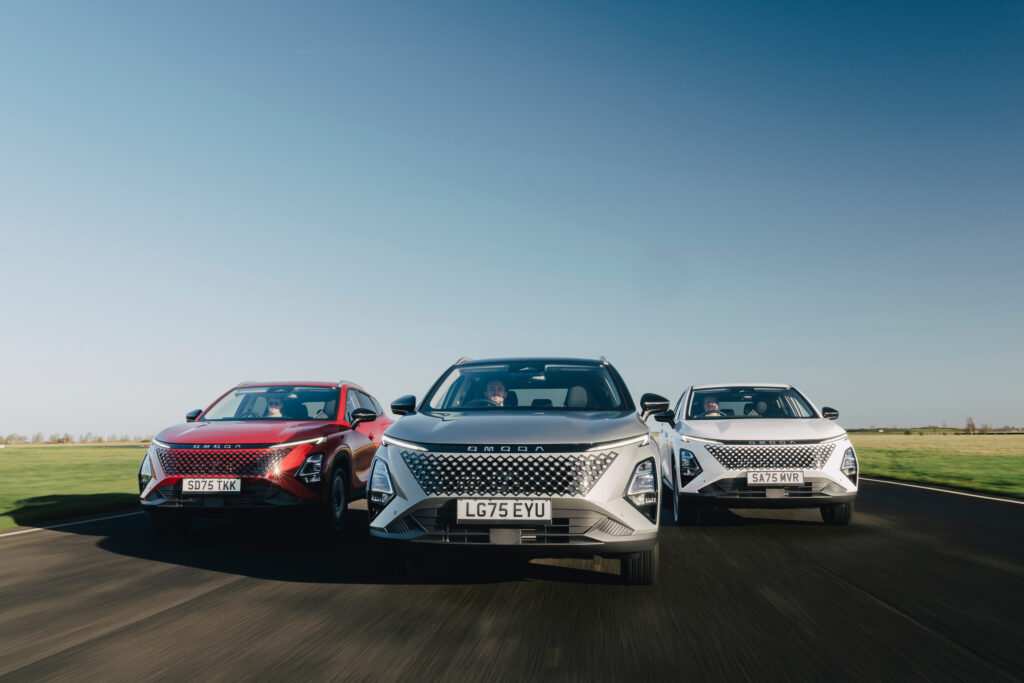
According to SMMT data, 5,517 Chery cars were registered in the UK last year. However, this figure does not include models from Omoda (19,855) and Jaecoo (28,232). If all these figures are added together, the total amounts to 76,319 units. For comparison, only 62,445 Jaguar Land Rover cars were registered in 2025.
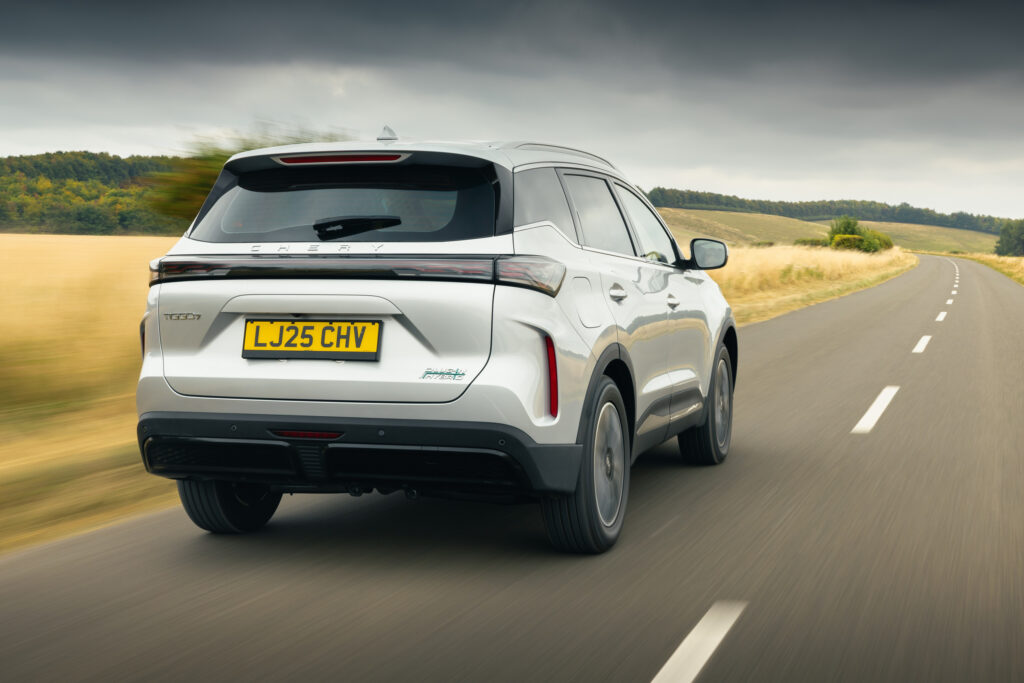
It is also worth noting that cars from the Chery group sold better than models from Citroen, Cupra, Dacia, Fiat, Honda, Jeep, Mazda, Mini, Renault, Seat, Tesla, and Volvo. This is a rather impressive result, and establishing a production base in the UK could allow them to further strengthen their position in Europe.
A potential deal between JLR and Chery points to a significant transformation in the global automotive landscape, where traditional European manufacturers are seeking ways to utilize their capacities, and Chinese brands are striving to localize production to overcome trade barriers and improve their image. The success of Chinese brands in the British market, with combined sales exceeding those of Jaguar Land Rover itself, indicates profound changes in consumer preferences and market structure. The future of such alliances may determine not only the fate of individual plants but also the competitiveness of entire automotive clusters in the new economic reality.