 by
by End of an Era: Tesla Discontinues Production of Model S and Model X
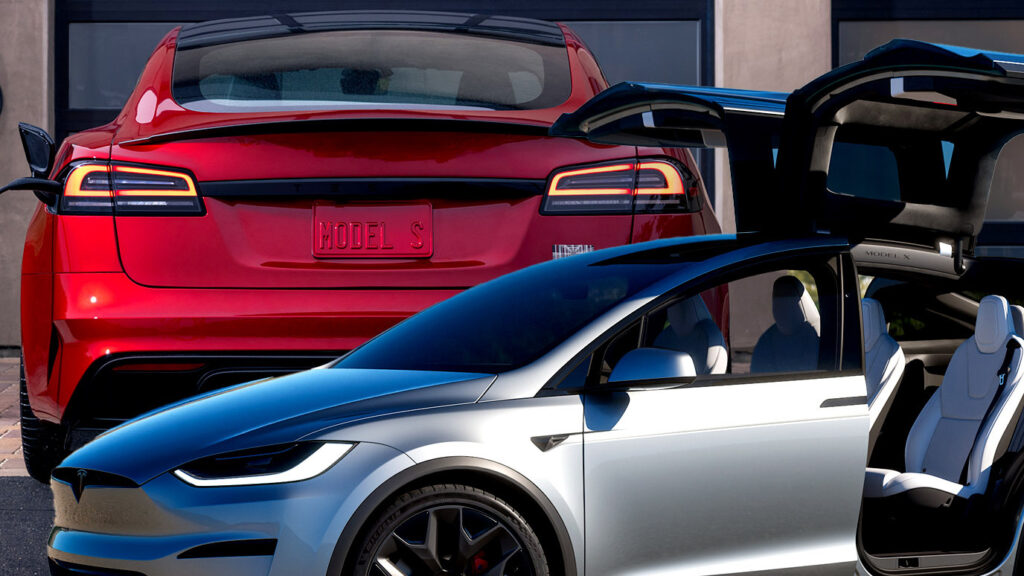
Tesla is preparing to close a chapter of history associated with two cars that became symbols of the modern electric revolution. Production of the Model S sedan and Model X SUV will be discontinued this year. The company will focus its efforts on a new direction – the production of humanoid robots.
Key facts:
Official Announcement and Shift in Priorities
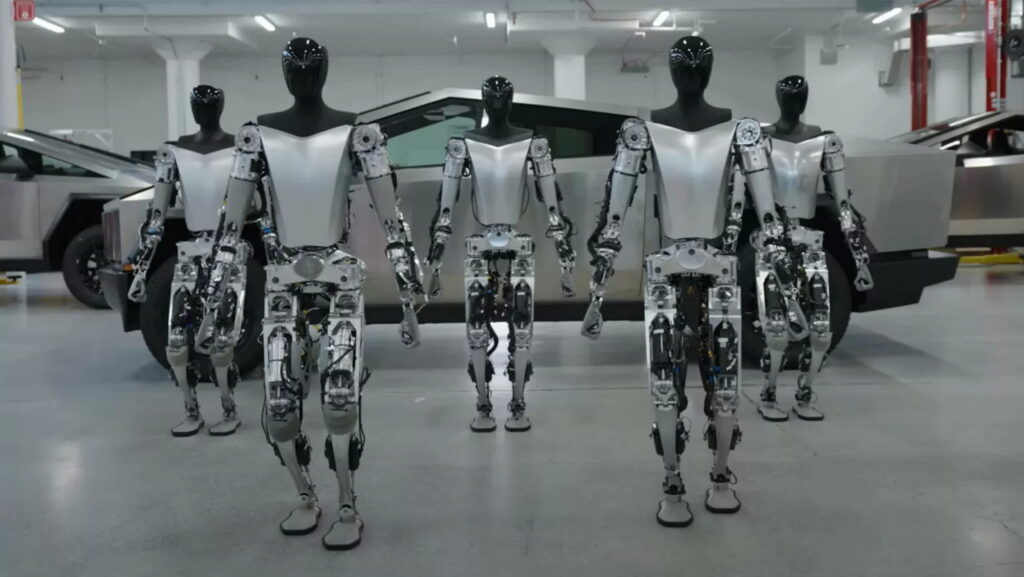
The decision to discontinue production was announced by CEO Elon Musk during a quarterly investor conference. He explained that production of the Model S and X in California will be completed in the next quarter. The space at the Fremont factory will be completely repurposed for creating Optimus robots.
It’s time to honorably conclude the Model S and X programs, because we are truly moving into a future based on autonomy.
Musk also noted that the company will continue to support owners of these models, but the primary task will be transforming production capacity. The long-term goal is to produce up to a million Optimus robots per year.
Farewell to Legendary Cars
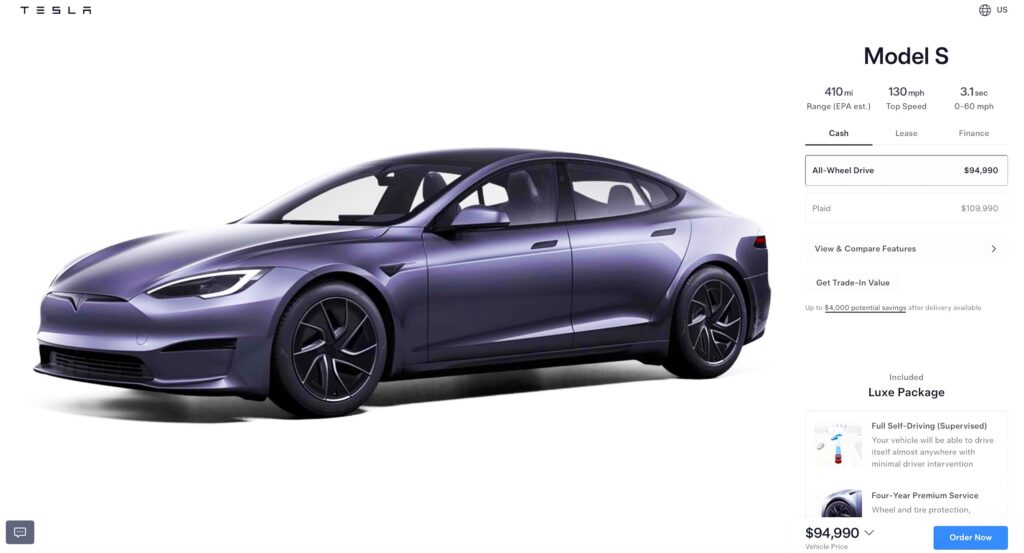
The news about the shutdown of Model S production evokes a certain nostalgia. Elon Musk himself admitted it’s “a bit sad.” When the Model S debuted in 2012, it radically changed perceptions of electric cars. It was not a compromise vehicle, but an elegant luxury sedan capable of beating a BMW M5 in a race, and later, some supercars. Alongside the Nissan Leaf, the Model S helped electric cars enter the mainstream.
The Model X, which appeared later, impressed with its falcon-wing doors and family space, although it did not gain the same cultural weight as the Model S. Together, they became moving symbols of Tesla’s growth – from a bold startup to a powerful industry disruptor.
A Time of Change and New Challenges
However, time does not stand still, especially in the world of electric vehicles. Sales of the Model 3 and Model Y made them Tesla’s main commercial successes, while the Model S and X gradually turned into niche products. Despite updates, full-fledged new generations of these models never appeared, even despite increased competition from Western and Chinese manufacturers.
Instead of updating the lineup, Tesla decided to make a radical turn. The company is betting on a product that has the potential to bring even greater profit and have a greater impact on the world than the Model S had ten years ago.
This step underscores the dynamic nature of Tesla’s business and its willingness to abandon even the most successful products of the past for the sake of future technological breakthroughs. Retooling the Fremont factory is not just a change in the production line, but a symbolic transition from the era of electric transport to the era of robotics and artificial intelligence. The success of this transition will determine whether Tesla can once again get ahead of its time, as it did with the Model S, or whether this ambitious step will prove too risky in a world where competitors continue to improve the very cars.