 by
by The End of the Growth Era in China
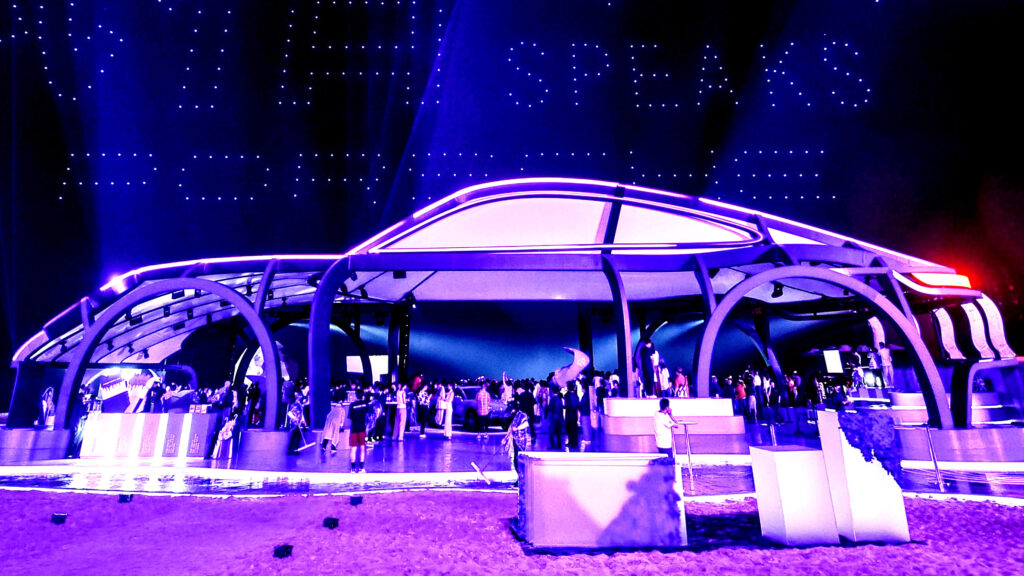
Not long ago, China looked like an unstoppable growth engine for Porsche. Now, it is this very market that is dragging down the brand’s global sales figures. The German automaker, according to reports, is preparing to close about 30 percent of its dealer centers in China. This decision is linked to a prolonged and alarming sales decline, forcing the company to radically reconsider its strategy in the world’s largest automotive market.
Drastic Reduction of the Dealer Network
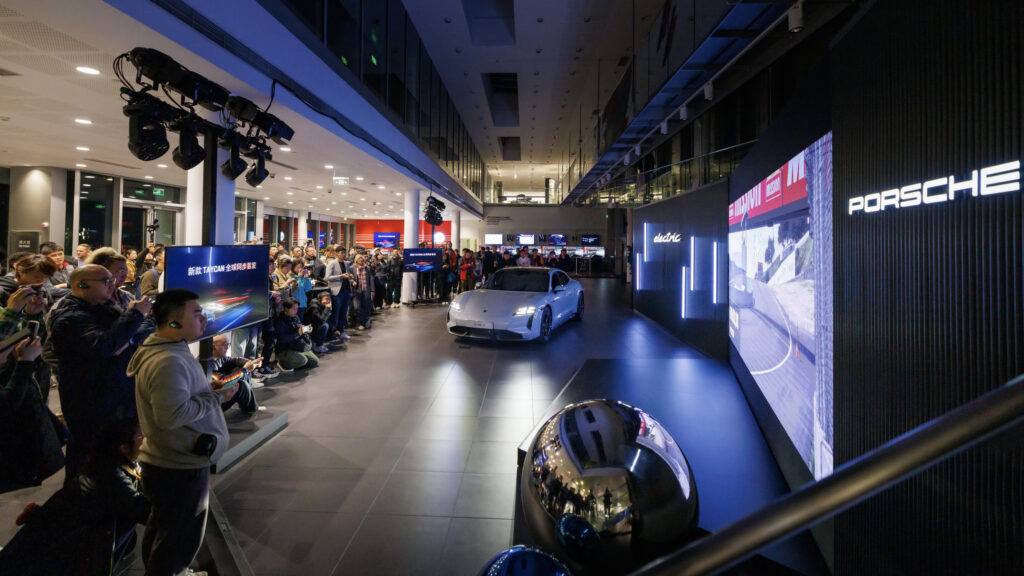
Porsche China CEO Pan Lizhi stated that the dealer reduction aims to lower costs. By 2026, the company plans to shrink its network to approximately 80 dealers across the country. For comparison, at the end of 2024 there were about 150, and by the end of 2025 it is planned to have 114 left. This is not a gradual update, but a hard reboot of the network.
This is not a gradual update, but a hard reboot of the network.
This step was a consequence of a difficult end to 2025, when, according to Chinese media, several Porsche dealers completely ceased operational activities. In some cases, Porsche China itself had to deal with customer deposit issues and missing documents after franchise partners went out of business. Such problems are rarely a good sign for a brand.
Sharp Sales Decline
Sales statistics clearly explain the reasons for such decisive actions. In 2025, Porsche delivered only 41,938 cars in China, which is 26 percent less than the year before. Even worse is that sales have been gradually falling since 2022, when the company sold almost 96,000 cars in the country. In just three years, Porsche’s volume in China has more than halved.
The company’s global figures also show a decline. Global deliveries fell by 10 percent in 2025, to 279,449 cars. All regions showed negative dynamics, except for North America, where sales remained virtually unchanged. In this context, China appears to be the brand’s biggest problem.
Pressure from Chinese Competitors
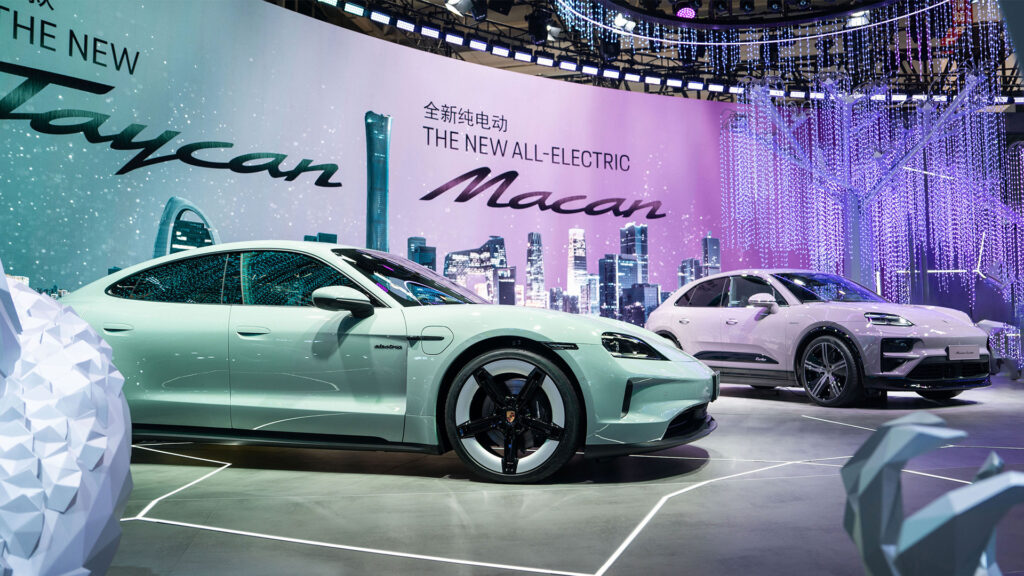
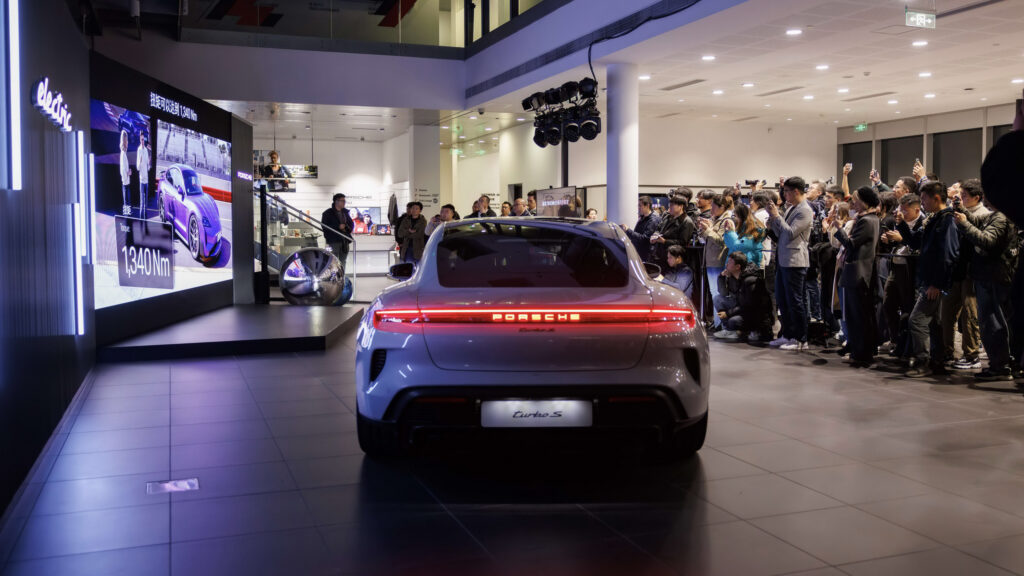
Particular problems have arisen in the electric vehicle market. The Taycan model has faced serious pressure from fast-moving local competitors like Xiaomi. Taycan sales fell another 22 percent in 2025 after a sharp decline the year before. Porsche is now betting on internal combustion engine cars and hybrids, at least in the short term.
Pan Lizhi stated that funds saved from closing dealer centers will be redirected to research and development, particularly into Porsche’s new integrated R&D center in Shanghai.
The company also plans to introduce two new crossover models with internal combustion engines and plug-in hybrid powertrains this year. However, according to local media information, in 2026 Porsche in China will prioritize “quality over quantity, not evaluating success solely by sales volumes.” This indicates that the brand is preparing for another difficult year in this market.
The Porsche situation in China is a vivid example of how quickly market dynamics can change even for a premium brand with a strong reputation. The success of Chinese manufacturers, especially in the electric vehicle segment, is forcing traditional players not only to adapt their model range but also to rethink the entire business model, including distribution. The “quality over quantity” strategy may look like a forced step, but in the long term it could help Porsche preserve its elite status, even if it means smaller sales volumes. The brand’s future in the region will now depend on its ability to combine German engineering heritage with innovations that meet the demands of the world’s most competitive market.