 by
by The Cost of Reviving the Scout Brand Has Increased
The Volkswagen Group has brought the legendary Scout brand back to life, but this project has turned out to be much more expensive than expected. In particular, the cost of building a new plant in Blythewood, South Carolina, has risen to three billion dollars.
Initial Plans and Budget Change
According to reports, the company initially planned to spend about two billion dollars on the production site. A Scout representative confirmed the new figure, noting that the previous amount was only a “guaranteed minimum investment threshold.” He added that investments grew during the implementation of the vision to create a “world-class manufacturing facility.”
Construction of a New Supplier Park
The exact reasons for such a sharp increase in costs are not disclosed, but the company recently announced plans to additionally invest 300 million dollars in the construction of a so-called Supplier Park on the plant’s territory.
This is being done without attracting new state incentives and is expected to create about 1,000 jobs.
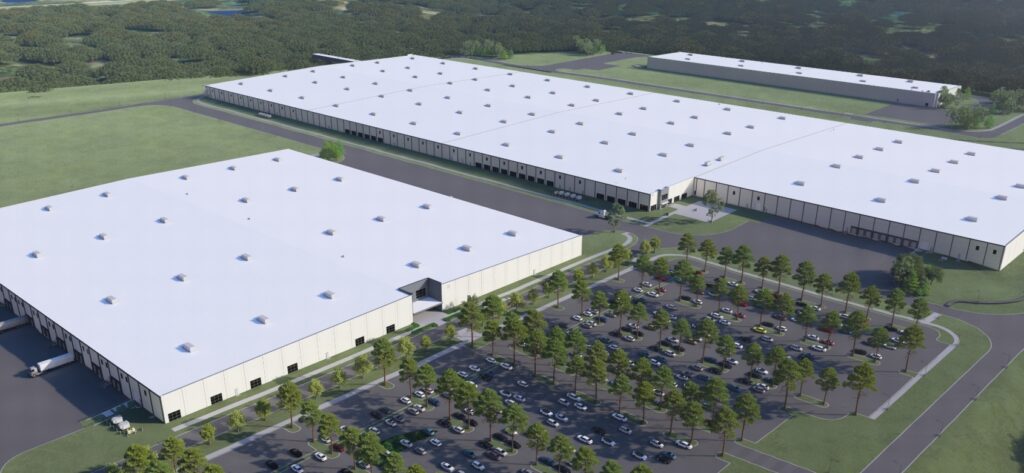
The Supplier Park will occupy nearly 200 acres and will include a battery assembly building, as well as an accessories workshop designed for vehicle customization.
Scout Management’s Position
Scout Motors CEO Scott Keogh stated that this expansion reinforces the company’s long-term commitment to American manufacturing and reflects their belief in South Carolina as a hub for automotive innovation and economic growth. He also noted that the on-site supplier park will enhance manufacturing capabilities and help create a viable supply chain ecosystem.
Additional Factors for Cost Increase
It remains unclear where the remaining 700 million dollars of the total overrun will go, as Scout is not receiving new incentives from the state. Representatives of the South Carolina Department of Commerce reported that a combination of unforeseen permitting issues, the need for reclamation measures, and excessive rainfall led to schedule delays and additional costs of 150 million dollars.
Pressure on the Project and Competitive Environment
The rapid increase in costs is likely to create additional pressure on the Scout revival project. This is happening at an inopportune time, as, according to sources, doubts about the success of the entire venture have intensified within the company itself.
This may be partly related to trade tensions between Europe and the USA. Furthermore, Volkswagen has a partnership with Rivian, which produces the R1T electric pickup and R1S SUV, which are conceptually quite close to the future Scout Terra and Traveler models, as they are all oriented towards off-road use.
Scout’s Market Plans
However, Scout models are expected to start at a price below $60,000. In addition to being more affordable compared to Rivian, Scout plans to offer both fully electric powertrains and hybrid systems with a range extender. The latter factor is a key distinguishing feature and is expected to allow the vehicles to cover over 500 miles (805 km) on a single energy reserve.
Production of the new SUV and pickup is scheduled to begin in 2027. The increase in investments in the plant indicates the scale of the ambitions, but simultaneously raises questions about the economic viability of the project in the face of fierce competition in the electric off-road vehicle market. Scout’s success will depend not only on technical specifications and price, but also on Volkswagen’s ability to effectively manage the complex supply chain and costs against the backdrop of global economic challenges.