 by
by New Karma Kaveya to Get American-Made Solid-State Batteries
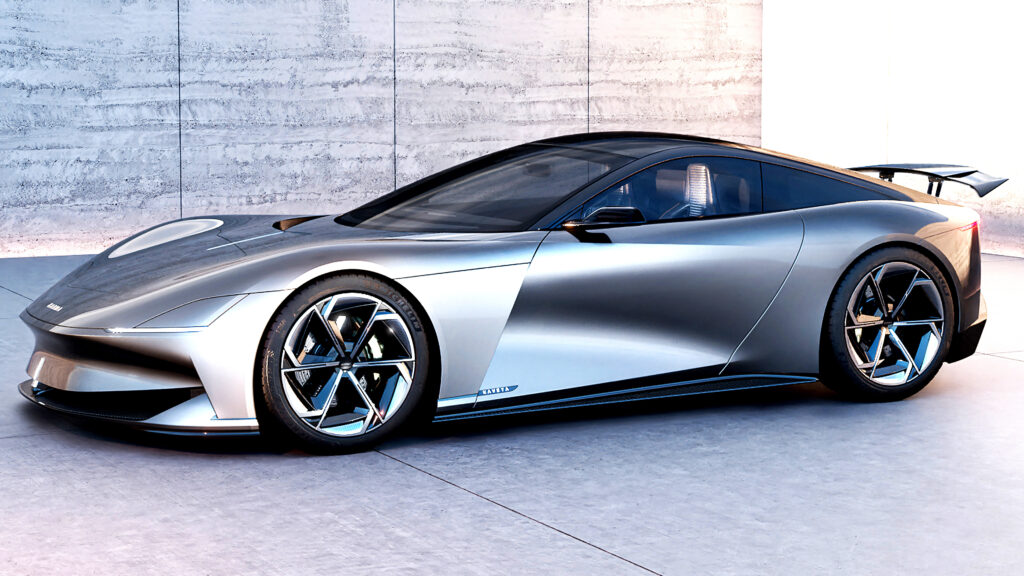
American automaker Karma Automotive, which rose from the remnants of Fisker, has ended production of its Revero range-extender model and is now focusing on a significantly more ambitious project. This refers to the Kaveya electric coupe, unveiled in late 2023, which is intended to compete with hypercars. To bring it to life, the company has entered into a partnership with a local solid-state battery manufacturer.
Key facts about the upcoming novelty:
Partnership with Factorial
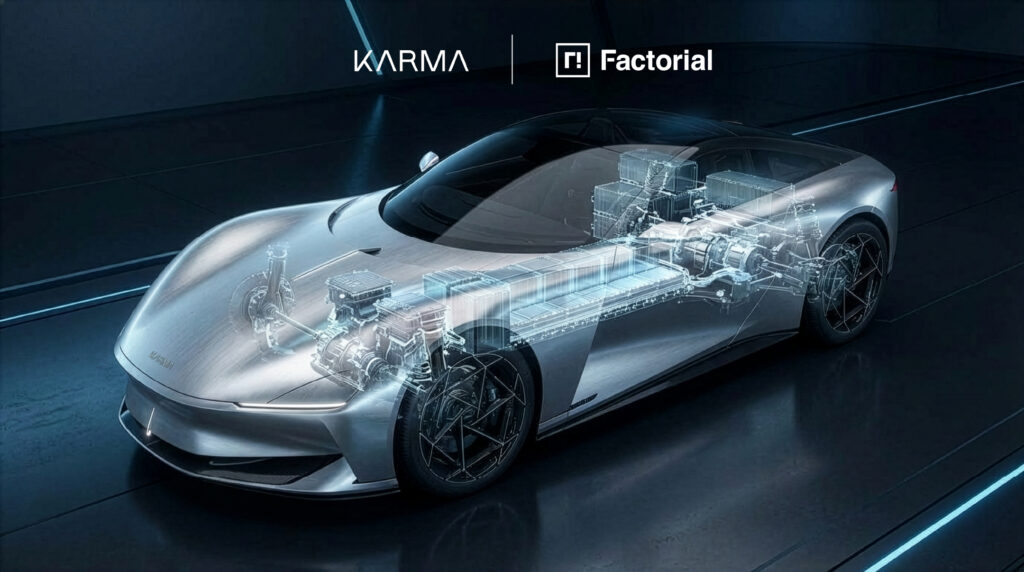
Karma’s partner is Factorial, a solid-state battery developer collaborating with a number of global automakers, including Mercedes-Benz, Hyundai, Kia, and Stellantis. Its technology will form the basis of the new Karma electric platform, which will debut on the Kaveya model.
Launching our first passenger vehicle program in the U.S. with Karma is a significant milestone for Factorial. Our FEST technology is built for scaling, and this event not only demonstrates the energy density and performance of solid-state solutions but also highlights the global leadership of American technology innovators.
Full technical specifications of the battery pack have not yet been disclosed. However, it is known that the proprietary solid-state technology FEST (Factorial Electrolyte System Technology) is designed with compatibility for current lithium-ion battery production lines in mind. This allows for the reuse of up to 80% of the equipment, which could significantly reduce costs and accelerate adoption—a critically important advantage for a low-volume manufacturer like Karma.
Delayed for Perfection
Karma President and CEO Marques McCammon explained that the Kaveya launch was postponed last year because the company
did not yet see a clear path to fully realizing the uncompromising driving experience one should expect from an American company in the ultra-luxury segment.
Thanks to the partnership with Factorial, the solid-state battery is expected to offer better efficiency and greater range compared to traditional lithium-ion batteries. When the Kaveya was first shown, it was planned to have a 120 kWh battery with a range of over 250 miles (402 km). Most likely, the new solid-state pack will be more compact but provide a greater distance.
Hypercar Performance
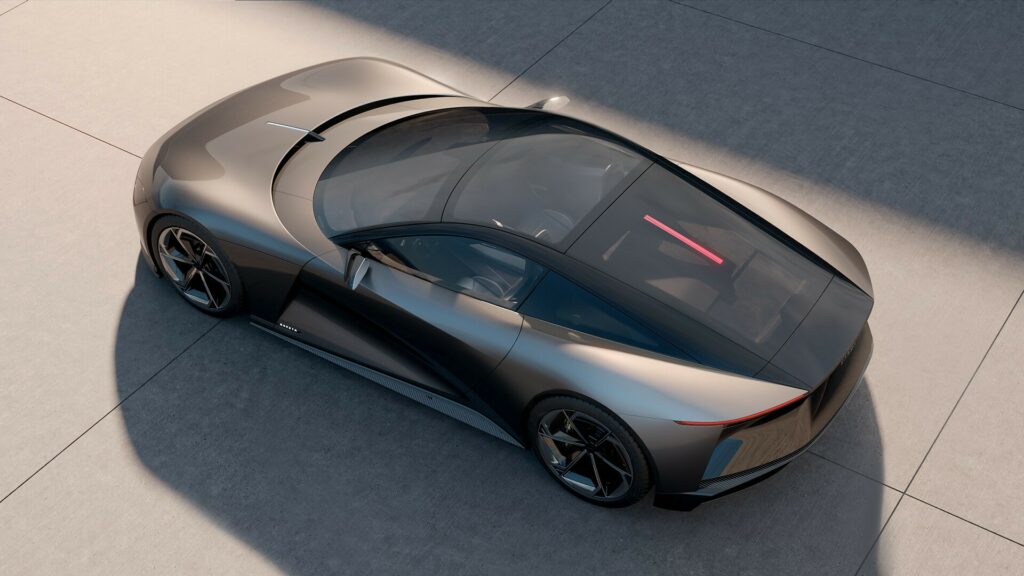
Karma has already announced some performance targets for the Kaveya. Two electric motors combined will produce 1,180 hp and 1,720 Nm of torque. This should allow the car to accelerate from 0 to 60 mph (96 km/h) in less than 3 seconds, with a top speed exceeding 180 mph (290 km/h).
This move by Karma could be indicative for the entire auto industry, demonstrating how relatively small manufacturers can use partnerships with tech startups to leap forward in key areas such as batteries. The success of this project could pave the way for broader adoption of solid-state technologies, promising next-generation electric vehicles not only greater safety and longer range but also potentially lower costs in mass production. For Karma, this is a chance to establish itself as a serious player in the niche of high-performance luxury electric vehicles.