 by
by A New Car Price Record
You may have made a New Year’s resolution to lose weight, but new car prices made no such commitment. According to fresh industry data, prices set yet another record for January, proving that shelling out $50,000 for a new car is now practically the norm. However, the number of people who consider buying an electric vehicle a normal thing has sharply declined.
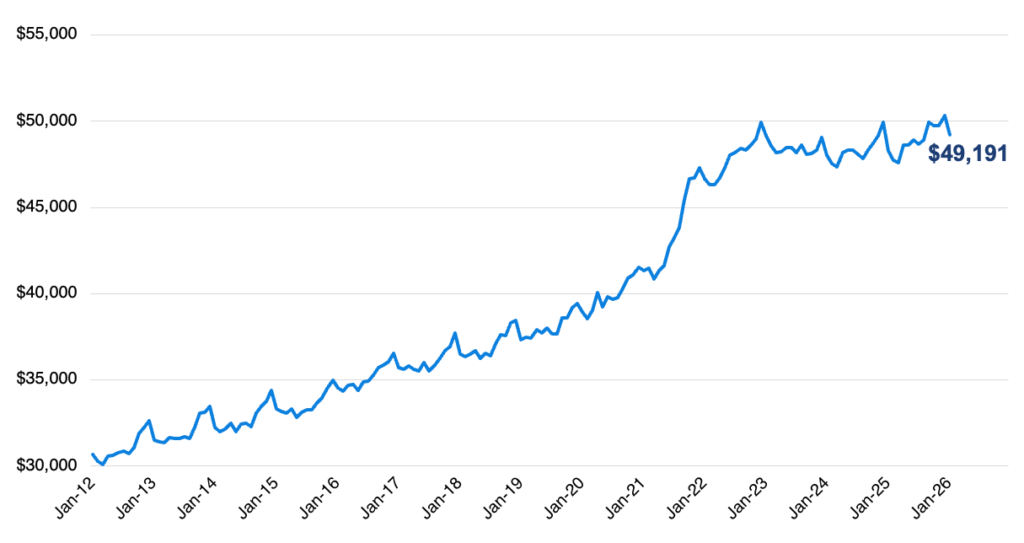
The average transaction price in January reached $49,191, nearly 2 percent higher than a year ago and the highest ever recorded for the month, reports KBB.
Although prices dipped slightly compared to December, Cox Automotive called this drop “seasonally normal,” explaining that the market typically “catches its breath” after the year-end when luxury cars make up a larger share of sales.
The average Manufacturer’s Suggested Retail Price for a new car, often called the “sticker price,” also continued to climb, now standing at $51,288 and remaining above the fifty-thousand mark for 10 consecutive months.
Why Do Prices Keep Rising?
The price increase in January occurred even though the sales mix shifted away from the year-end luxury sales volume.
“The pricing story in January really is a reminder of how important the sales mix remains in this market,” said Erin Keating, executive analyst at Cox Automotive.
She added that consumers still find many options below the industry average, especially in key segments like the best-selling compact SUVs, but the disappearance of true budget cars continues to push the price “floor” higher.
Incentives dropped to about 6.5 percent of transaction prices, less than at the end of last year. This means buyers are bearing the burden of these higher prices. Automakers are clearly in margin-protection mode, offering enough deals for cars to sell, but not enough to look generous. The juiciest offers went to luxury models and large pickups, while compact and midsize cars were largely left to fend for themselves.
Few Affordable Options Remain
Compact SUVs remain the choice for the best value. Their average price is around $36,000, 0.6 percent lower, and they sit significantly below the industry average, continuing to dominate sales. Meanwhile, true budget cars have practically gone extinct. After the disappearance of the Mitsubishi Mirage and the recent discontinuation of the Nissan Versa, the American market said goodbye to new cars cheaper than $20,000.
The Versa briefly held the title of America’s most affordable new car with an average sticker price of $22,315, but its life proved short. Production ended in December.
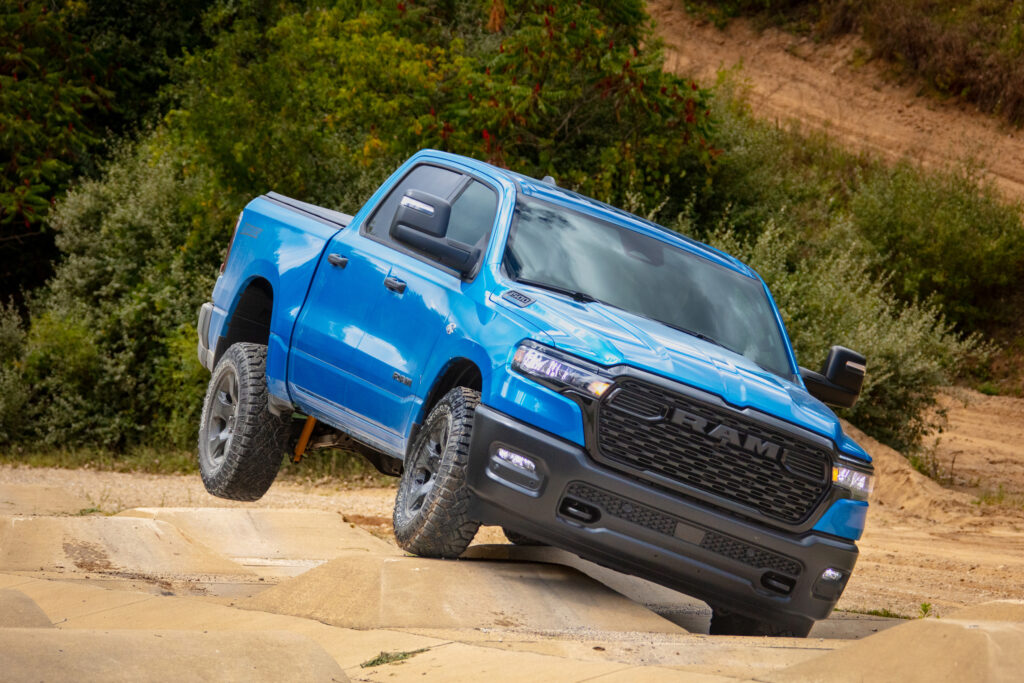
At the other end of the spectrum, full-size pickups are still living large. Average prices in this segment remain comfortably above $70,000, and buyers are still lining up: over 150,000 big trucks found new owners last month. January was the fifth consecutive month that full-size pickups averaged over seventy thousand dollars, highlighting their outsized role in propping up the market average. In contrast, subcompact cars struggle to attract just a few thousand buyers per month. Fewer than 4,000 such cars were sold across the industry last month.
Electric Vehicles Are Losing Steam
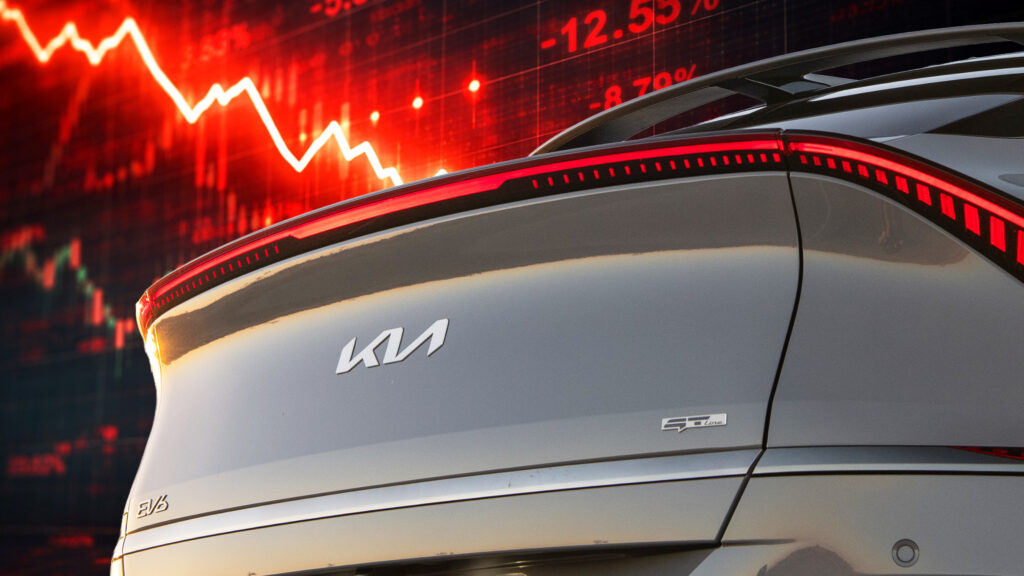
Electric vehicle prices actually fell to approximately $55,700, 0.6 percent lower than a year ago, although Tesla prices fell 2.2 percent over the same period. EV incentives also cooled sharply, dropping to 12.4 percent of the average transaction price, compared to 18.3 percent in December. Even at these reduced levels, they remain significantly above the industry average. However, don’t be surprised if they are reintroduced to support demand, which, according to data, has fallen alarmingly.
KBB reports that only 66,000 electric vehicles were sold in January, one-fifth fewer than in January 2025, and it’s a safe bet that the loss of tax credits in October played a major role.
In fact, this total reflects a drop of nearly 30 percent compared to last year and 20 percent compared to December. Tesla accounted for about 60 percent of total electric vehicle sales.
These trends are clearly traced in the detailed data by manufacturer, brand, and vehicle segment, which show that luxury and large vehicles continue to pull average prices up, while affordable segments are shrinking. For example, the average transaction price for Porsche increased by 15% compared to last year, and for Subaru by 7.7%. This indicates that the market is consolidating around more expensive products, and manufacturers are focusing on margin rather than volume in the mass segment. This situation creates a significant barrier to entry for new buyers and could have long-term consequences for personal transportation affordability, especially against the backdrop of economic uncertainty and changes in government support for electric vehicles.