 by
by Bold Bets and Their Consequences
Ford has always been known for its ability to make bold, high-profile bets that sometimes pay off and sometimes don’t. In early 2022, the automaker announced the division of its core operations into two separate units: Ford Blue, responsible for traditional internal combustion engine vehicles, and Ford Model e, dedicated to electric vehicle development. At the time, this seemed like a logical step, especially against the backdrop of rapidly growing demand for electric cars.
However, this optimism did not materialize. Four years have passed, and Ford’s massive investments in electrification have resulted in serious financial problems. In its latest financial results, the automaker reported that the Model e division suffered colossal losses of $4.48 billion in 2025. Even worse, further growth of these losses is expected, even after the cancellation of several planned electric vehicle projects.
Earlier this week, Ford disclosed that its electric vehicle business is likely to lose between $4 and $4.5 billion this year and will continue to be unprofitable until at least 2027-2028.
During the conference call following the earnings release, Ford’s CFO Sherry House stated that the company does not expect to reach breakeven for the Model e brand until around 2029.
Four-Year Summary
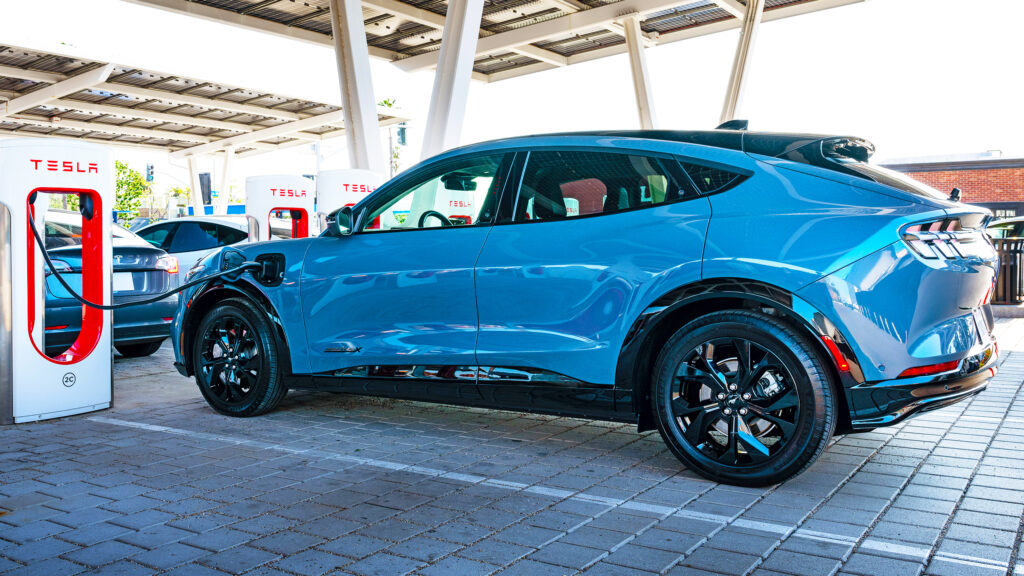
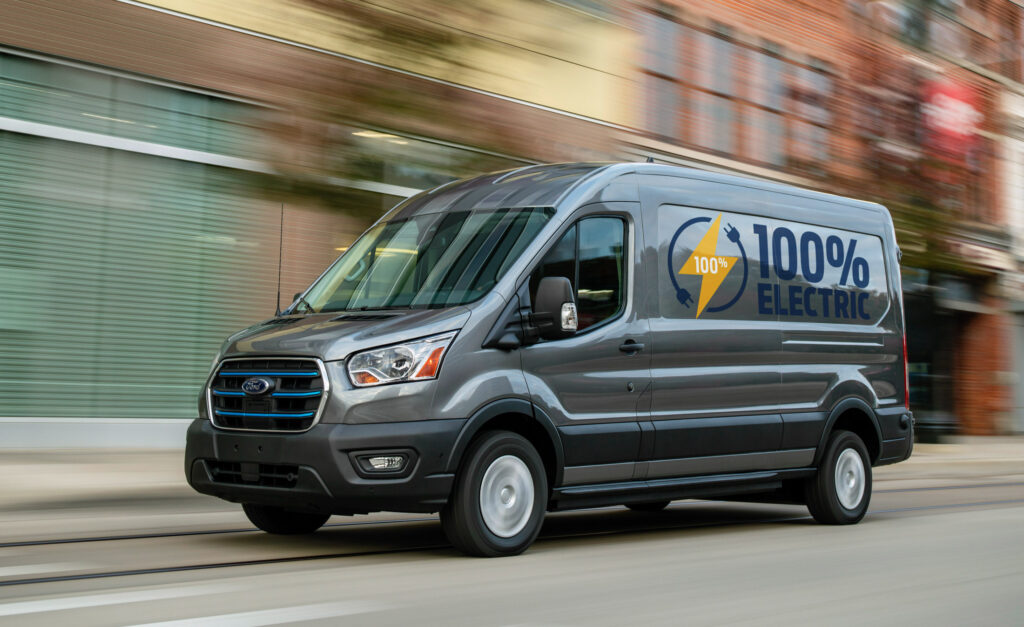
In the four years since the creation of the Model e division, Ford’s losses have exceeded $16 billion. This is an extremely large amount, especially considering that in its home market, the US, the company currently sells only two electric vehicles: the Mustang Mach-E and the E-Transit, after production of the F-150 Lightning electric pickup was halted early on.
Traditional Vehicles Keep the Company Afloat
According to The New York Times, last year Ford’s losses from electric vehicles were offset by better results from the Ford Blue division, which handles ICE vehicles, and commercial vehicle sales. These segments generated enough revenue to provide an adjusted profit of $6.8 billion before interest and taxes. Ford expects these figures to grow in 2026, forecasting a profit of $8 to $10 billion.
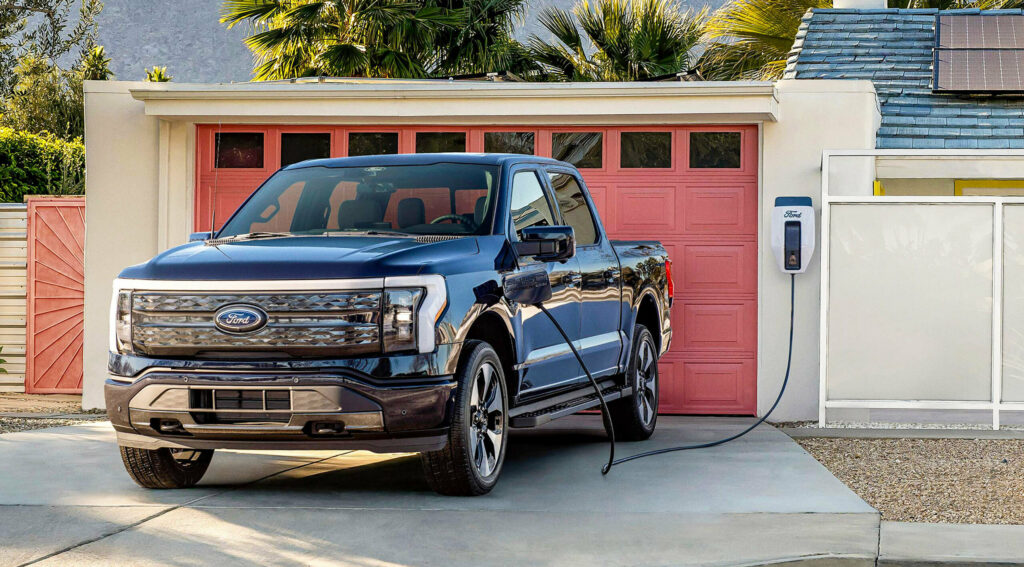
One of the first signals of Ford’s retreat from aggressive electrification was last year’s confirmation of the indefinite suspension of F-150 Lightning production.
Nevertheless, for those still waiting for an electrified pickup, there remains a glimmer of hope. The next generation of the F-150 Lightning is already under development and will receive a range-extender powertrain that combines electric drive with a backup internal combustion engine, providing a combined range of over 700 miles.
The situation with Ford Model e clearly demonstrates the complexity of large auto giants transitioning to new technologies. Despite billions in investments and structural changes, the path to profitability in the electric vehicle sector is proving to be much longer and more expensive than expected. At the same time, the traditional business remains the main source of funding for ambitious, yet loss-making innovations. This creates a dilemma for management: how to accelerate the electric future without undermining the company’s financial stability today. The future will show whether the long-term calculations will pay off, and whether the next generation of electric models, such as the updated F-150 Lightning, can radically change the trend.