by
by China Introduces New Rules for Cars: Physical Buttons Are Making a Comeback
China, which was one of the main drivers behind the proliferation of touchscreens in cars, is now changing course. The country’s legislators believe that automakers have gone too far in their pursuit of minimalism, which could threaten safety.

China’s Ministry of Industry and Information Technology has proposed new rules that will require key safety functions to be controlled by physical switches or buttons. This refers not to elements buried in submenus on a screen, but to real, tangible controls that can be touched without taking one’s eyes off the road.
According to the information, functions such as turn signals, hazard lights, gear selection, and emergency calls must have dedicated buttons or switches with a minimum surface area of 10 by 10 millimeters. This may seem insignificant, but in the era of glossy screens and haptic feedback, such a step is a true rebellion in favor of convenience and safety, something many drivers have long demanded.
A Blow to Minimalist Interiors
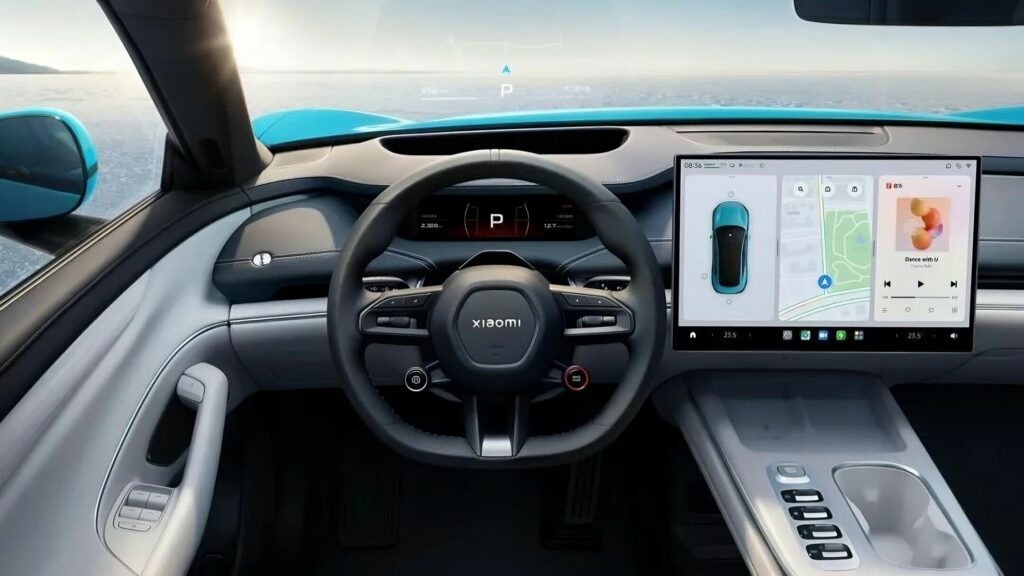
This step is directly aimed at the minimalist interiors popularized by Tesla and widely copied by Chinese electric vehicle brands such as BYD and Xiaomi. Clean dashboards look great in promotional photos and are convenient to use when parked or in traffic jams. However, they become less pleasant when you need to do something quickly while driving, facing screen delays, endless menus, and overly small icons.
A Broad Safety Campaign
The new button requirements are only part of a broader campaign. China recently banned hidden pop-out door handles after a series of high-profile accidents where passengers were trapped inside electric vehicles. Regulators are also refusing to certify cars with non-traditional steering wheel shapes, such as yokes, arguing that such shapes are incompatible with real crash tests and the proper functioning of airbags.
Stricter Rules for Autonomous Driving Systems
In addition to bringing back physical controls, Chinese legislators are tightening requirements for high-level autonomous driving systems. New standards for Level 3 and Level 4 systems require them to demonstrate a level of safety equivalent to that of a competent and attentive human driver. This is a fairly high bar, especially during rush hour, but maintaining it is important regardless of the country.
Automakers will need to submit formal safety justifications, proving that their systems can handle everyday traffic and critically dangerous situations. If the technology fails or the driver ignores a request to take control, the vehicle must achieve what regulators call a “minimal risk condition.” Simply put, it must stop safely on its own.
Rules regarding remote assistance for fully autonomous vehicles are also being formalized, paving the way for robotaxis that can call a human operator in complex situations. In other words, China is not against technology. It simply wants these technologies to have a switch that can be actually found and felt.
These initiatives could have a global impact, as many automakers view the Chinese market as a testing ground for innovation. The return of physical controls could become a trend that spreads to other regions where drivers also complain about excessive cabin digitization. At the same time, the tightening of autonomy requirements indicates regulators’ desire not only to keep pace with technology but also to ensure its safety and reliability even before mass adoption, which could set new standards for the entire industry.