 by
by Return of the Diesel Engine: Stellantis Changes Strategy
Many automakers have abandoned diesel engines in favor of an electric future. However, the transition to electric vehicles is happening slower than expected, prompting companies to reconsider their decisions.
This shift is clearly evident in the Stellantis group, which recently introduced a new 2.2-liter diesel engine for the Opel Zafira. The unit develops 177 hp and 400 Nm of torque, allowing the minivan to accelerate from 0 to 100 km/h in 10.6 seconds. The engine is equipped with new-generation direct injection technology and an optimized exhaust gas recirculation system.
Opel representatives stated that these changes help reduce fuel consumption and CO2 emissions by up to 13%.
Expansion of the Diesel Model Lineup
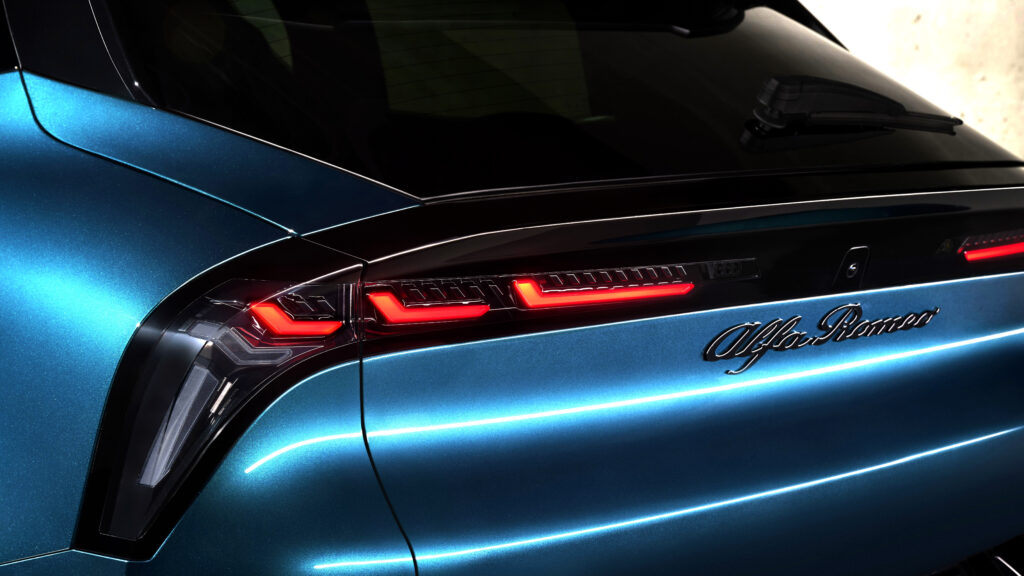
According to reports, Stellantis plans to reintroduce diesel versions for at least seven passenger car and van models in Europe. This process began last year. The company will not only expand its offerings but also continue production of existing diesel models such as the Alfa Romeo Giulia, Stelvio, and Tonale.
A company representative noted: “We have decided to keep diesel engines in our product portfolio and – in some cases – expand our powertrain offerings.” He also emphasized that this decision is a response to customer demand.
Market Context and Competitive Advantages
Diesel cars were once extremely popular in Europe, but their market share has significantly declined. According to ACEA, last year the share of new diesel cars in European Union registrations was only 8.9%. Hybrids were the most popular (34.5%), while gasoline and electric vehicles accounted for 26.6% and 17.4%, respectively.
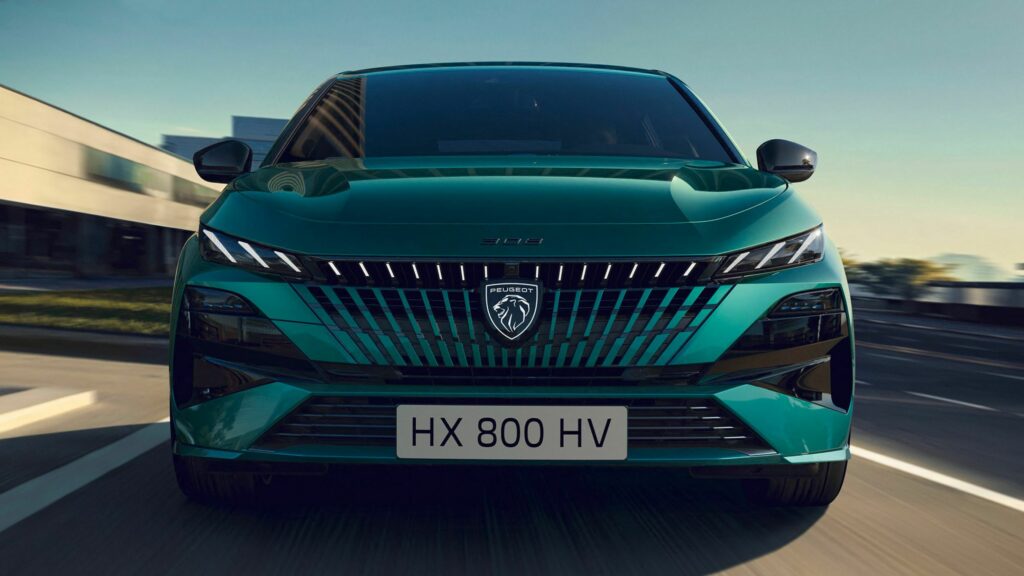
Despite the small market share, competition in the diesel engine segment is significantly lower. This opens opportunities for brands to strengthen their positions. In particular, Chinese automakers typically specialize in electric vehicles and plug-in hybrids, so European companies can counter their advance by offering affordable models with diesel engines.
This strategic move by Stellantis demonstrates the flexibility of a major auto giant that responds to real market trends, not just long-term forecasts. On one hand, it is an acknowledgment that the transition to electric vehicles is a longer and more complex process than anticipated. On the other – a desire to meet the needs of an existing, albeit smaller, group of customers who value the fuel efficiency and torque characteristics of diesels, especially for commercial transport and long-distance travel. Such a policy allows the company to diversify risks and maintain sales stability across different segments simultaneously.