 by
by Changes in the World of Minor Damages
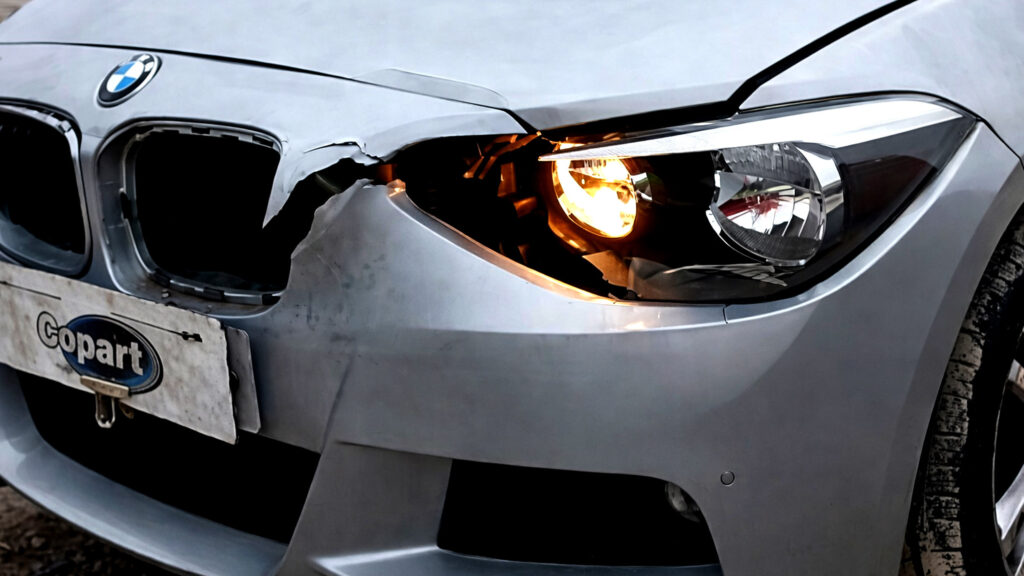
Not long ago, small parking scratches were almost never a serious problem and were often simply ignored. However, today even a minor low-speed collision can lead to an astronomical repair bill, as happened to a Rivian R1S owner who received a $54,000 bill for relatively minor damage. A European study has delved deeply into this alarming trend and its shocking figures.
According to Europe’s largest automobile club, ADAC, the sharp increase in repair costs is not only due to inflation and higher labor rates. The real culprit is the large amount of technology packed into modern cars.
Extremely sensitive sensors and cameras, along with modular parts that cannot be easily repaired piece by piece, make even minor breakdowns painfully expensive.
The High Cost of Minor Impacts
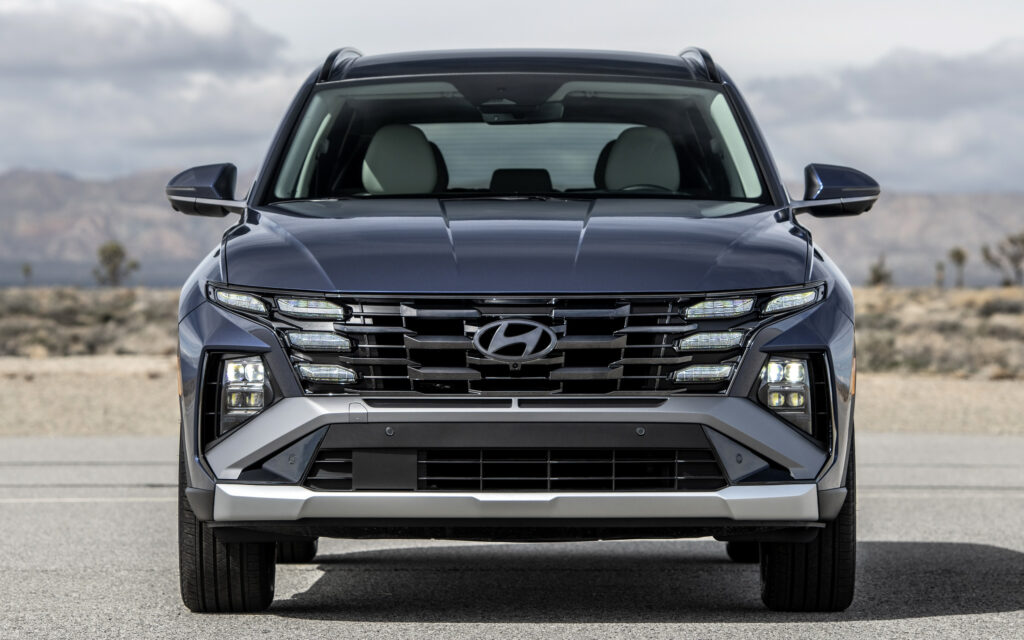
Consider such a seemingly simple operation as replacing a windshield. Once, a stone chip meant you would drink coffee while technicians removed the damaged glass and inserted a new one. Today, workshops often have to dismantle and recalibrate cameras for driver assistance systems and automatic lights. What once cost a few hundred euros can now easily exceed 1,000 euros, and for some models even 2,000 euros.
$9,000 for a Headlight
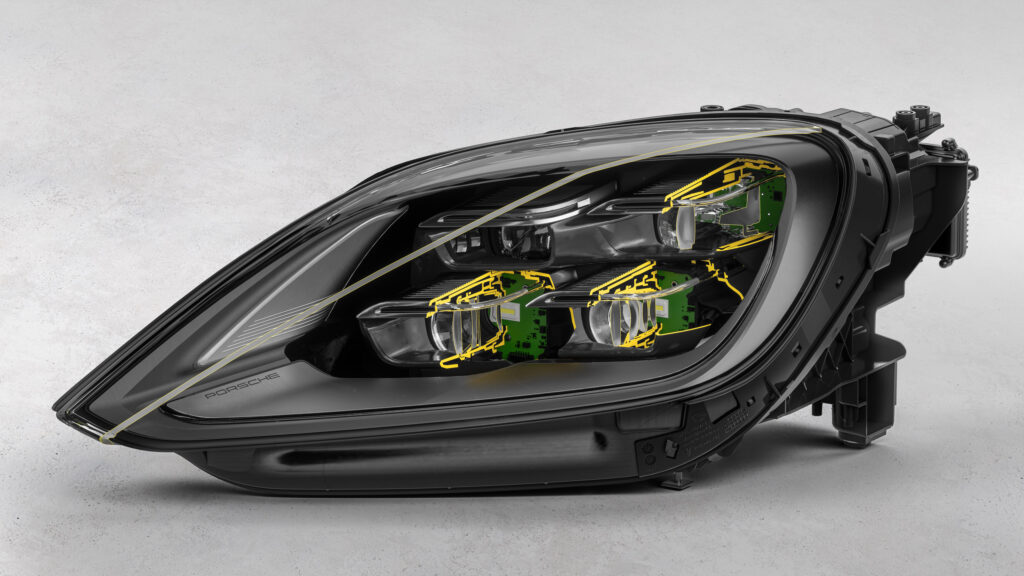
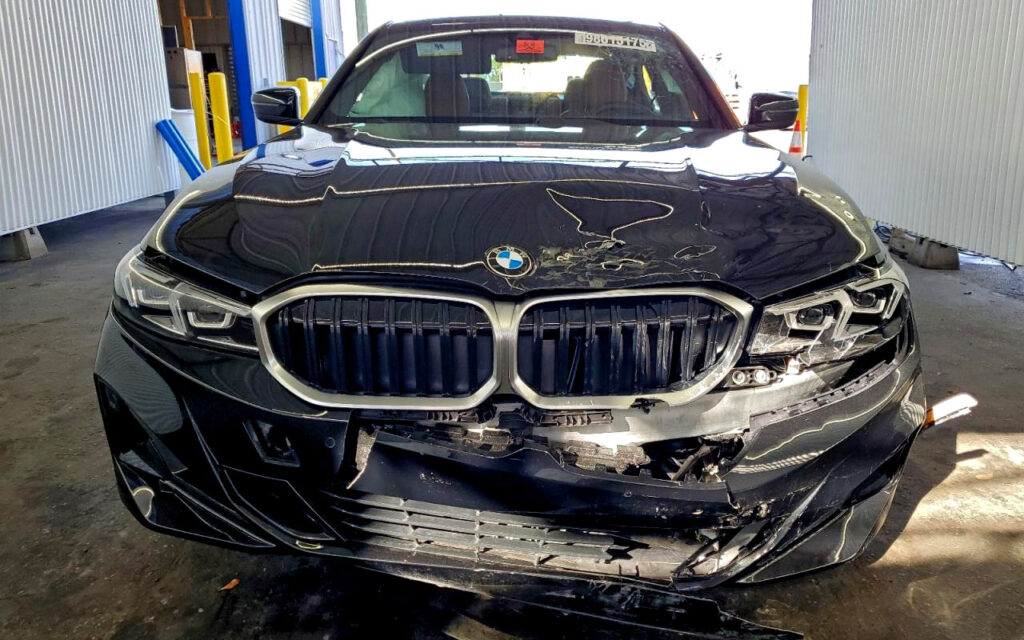
The same story happens with bumpers and headlights. For minor front-end damage that damaged a headlight and bumper, ADAC found bills ranging from just over 3,000 euros to almost 7,800 euros, depending on the model and complexity of the parts. Laser and matrix headlights, fashionable driver assistance sensors, and tightly integrated bodies make it almost impossible to replace a single component without a cascade of costs.
Take the laser units installed on the BMW 330e. As a spare part they cost about 3,300 euros, which can easily push the cost of a standard front-end repair to 8,000 euros. Even BMW later retreated from laser headlights, acknowledging their practical benefit is limited compared to repair costs.
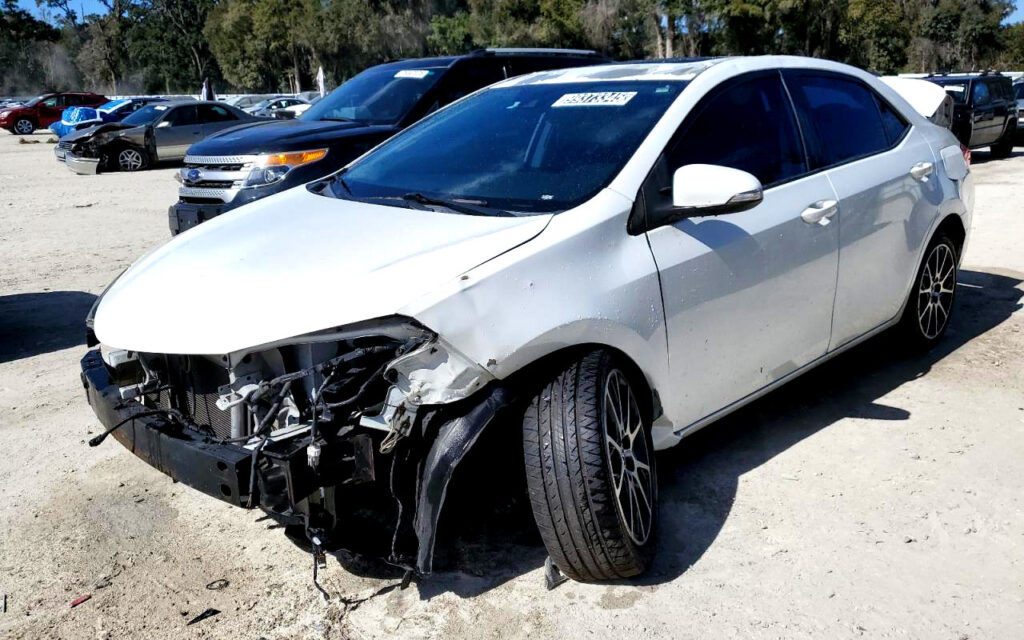
Prices can vary wildly even for cars from the same production line, as manufacturers set different prices for spare parts or insist on full assembly replacement instead of simple repair. In one comparison, the windshield for a Suzuki Swace, which is a rebadged Corolla estate, cost 500 euros more than for a Toyota Corolla, even though the cars and the glass are identical.
It’s not just about inflated parts prices. Many manufacturers prohibit painting certain areas after repair, citing potential impact on sensor functions, forcing the replacement of entire parts instead of affordable painting. Critics argue that such a stance is more often based on protecting parts revenue than on safety.
Implications for Insurance
The ripple effect spreads far beyond the workshop. According to insurance comparison data cited in the ADAC study, premiums for new customers in Germany rose by 16 percent in just 12 months between 2024 and 2025. Over the past three years, average insurance premiums have risen by about 50 percent. When even small collisions lead to large bills, insurance companies adjust rates, and drivers foot the bill.
Older cars are particularly vulnerable. A relatively minor accident can now push the repair cost so high that the car is declared a total loss, even if it could have had years of service left.
Thoughtful Design
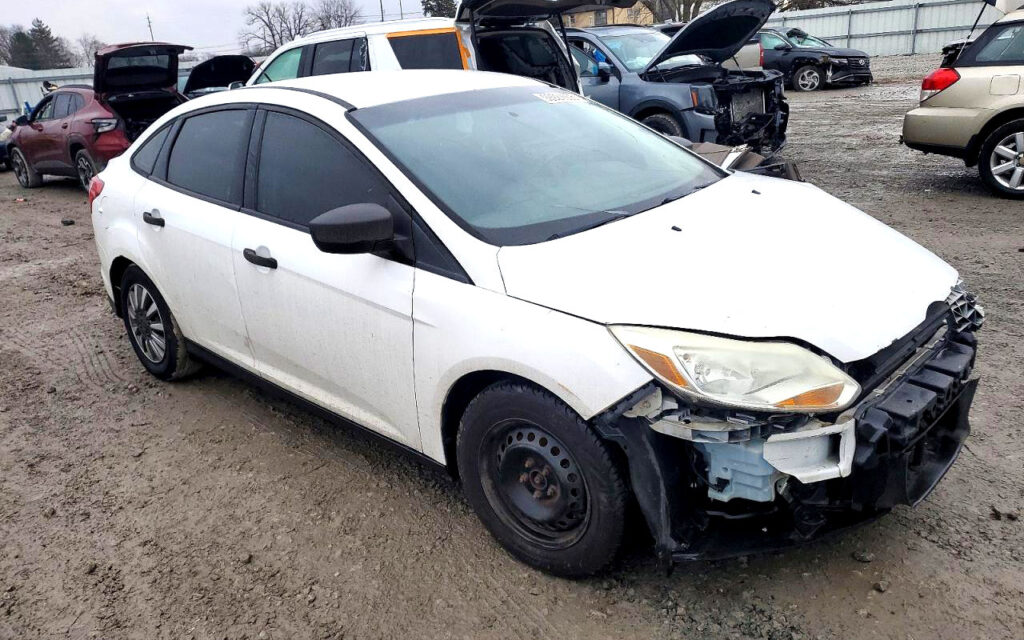
ADAC calls on car manufacturers to stop adding expensive unnecessary technology to new cars and to design them to be robust and repairable, with components that can be replaced without taking out a loan. The organization also calls on manufacturers to rethink so-called “prestige technologies” such as laser headlights, camera-based exterior mirrors, or electrically extending door handles, arguing they offer little everyday benefit but sharply increase purchase and repair costs.
More fundamentally, ADAC wants complex systems to be designed so that individual modules can be replaced separately, instead of forcing the replacement of entire assemblies. In other words, to build cars that can actually be repaired, not replaced piece by piece.
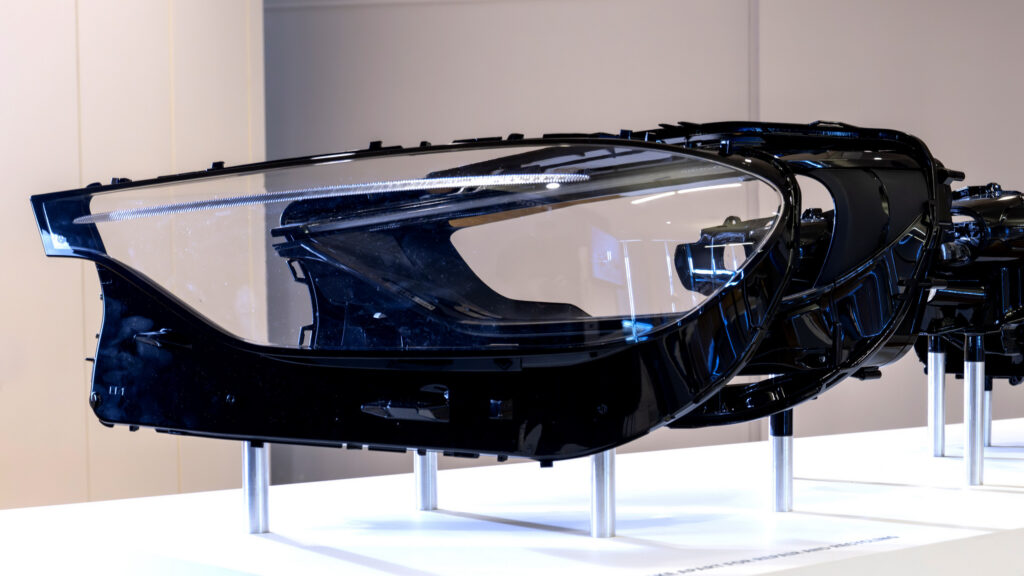
Mercedes’ new replaceable headlight lenses, which seem to debut on the new S-Class and replace glue with screws, are a practical example of progress in this area. Instead of replacing the entire adaptive LED light unit, a damaged lens can simply be unscrewed and replaced. Until every other brand adopts the same approach, it’s worth being more careful when parking.
Snapshot of Actual Repair Bills
The table below from the ADAC study shows three types of common repairs on different cars. The first is windshield replacement, the second is repair of minor front-end damage requiring a new headlight and bumper, and the third is a minor rear-end collision that also requires a new bumper but not a headlight. Prices include parts, labor, painting if necessary, additional costs, markups for small parts, and 19 percent VAT, meaning these totals reflect what owners will actually pay.
Repair Cost
Model | Windshield | Front Damage | Rear Damage | Total
Audi A3 | €1,694 | €5,350 | €3,661 | €10,705
BMW 330e | €1,619 | €7,829 | €4,991 | €14,438
BYD Atto 3 | €1,243 | €4,177 | €3,373 | €8,793
Citroen Berlingo | €1,267 | €4,825 | €3,527 | €9,619
Dacia Sandero | €1,312 | €3,515 | €2,113 | €6,940
Fiat 500 | €1,153 | €3,088 | €2,548 | €6,790
Ford Focus | €2,216 | €4,450 | €2,697 | €9,363
Hyundai Tucson | €1,979 | €4,911 | €3,904 | €10,794
Kia Sportage | €1,856 | €3,859 | €3,003 | €8,718
Mercedes C200 | €1,927 | €5,902 | €4,023 | €11,852
MG MG4 | €955 | €3,568 | €3,310 | €7,834
Nissan Qashqai | €2,133 | €3,488 | €4,466 | €10,087
Opel Corsa | €1,385 | €5,070 | €3,262 | €9,717
Renault Clio | €1,708 | €4,578 | €3,064 | €9,350
Skoda Fabia | €1,872 | €4,853 | €3,767 | €10,492
Suzuki Swace | €2,126 | €5,393 | €4,753 | €12,272
Tesla Model Y | €2,183 | €4,619 | €2,801 | €9,603
Toyota Corolla | €1,898 | €5,097 | €5,150 | €12,145
Volvo XC60 | €1,832 | €5,923 | €3,965 | €11,720
VW Golf | €2,474 | €5,312 | €4,953 | €12,739
This data clearly demonstrates how deeply technological complexity affects the economics of car ownership. Increased insurance premiums and the risk of total loss even for a new car due to a minor accident are becoming a new reality for millions of drivers. Pressure is growing on regulators and manufacturers from consumer organizations to ensure transparency in parts pricing and promote a “right to repair.” The future will show whether initiatives like repairable headlight lenses will lead to broad changes in the industry, or whether drivers will simply have to get used to the idea that a modern car is a high-tech device with a corresponding maintenance price tag.