 by
by In Florida, a driver was fined for holding a phone in a hand she physically cannot have. The situation caused widespread resonance and raised questions about the correct application of laws.
An Illegal Violation
Florida is known for its strict, and sometimes confusing, traffic rules. Sometimes disputes arise over license plate frames, sometimes over speeding, and in this case – over using a phone while driving. It turns out that even these rules the police cannot always apply correctly. Sometimes fines are received even by those who physically could not have committed the violation.
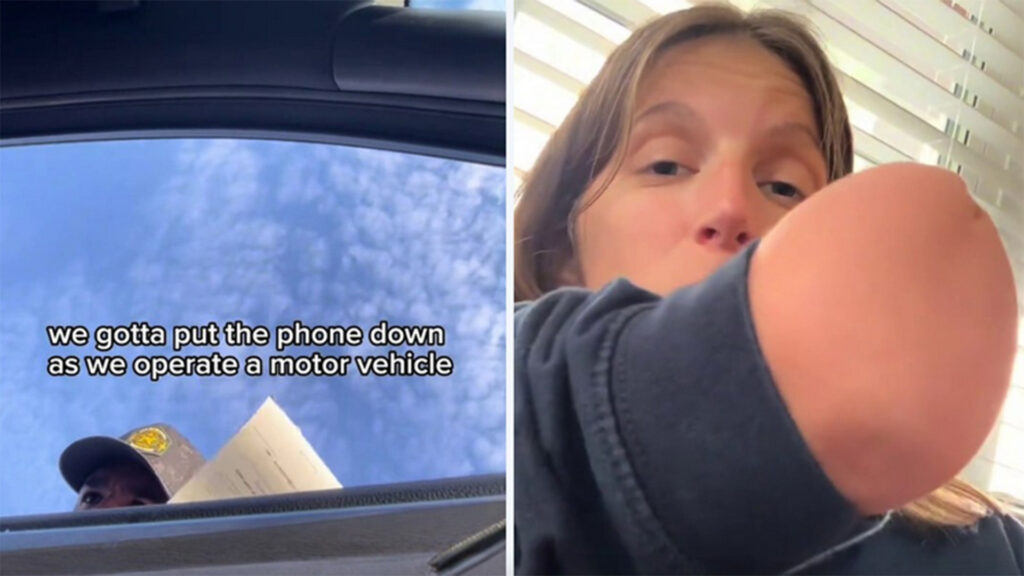
The woman at the center of this incident received a fine in the city of Lake Worth Beach for using a handheld wireless device while driving. According to the police officer, she was holding the phone in her right hand. However, this statement has one critical problem: the driver is missing her right hand.
A Fine Based on an Impossibility
The stop was made by a Palm Beach County Sheriff’s Office deputy, and the citation was issued according to Florida Statute 316.305(3)(a) for “using a wireless device in hand while operating a motor vehicle – first offense.”
Later, the woman posted a video on TikTok where she calmly asks the officer if he stands by his words. “You said you saw me holding it in my right hand, correct?” He agrees. Then the woman raises her arm – she has nothing below the elbow.
Turns out you can still get a ticket for driving with a device in your right hand, even if you don’t have a right hand.
That’s how she captioned the video. The clip gained millions of views, although the original post appears to have been deleted. According to CBS 12 News, the woman plans to contest the fine in court. The outlet also discovered an important detail: the citation only mentions holding the device, not texting, which is a key point.
What Florida Law Actually Requires
Florida’s distracted driving law is not an absolute ban on holding a phone in your hand. According to current legislation, a driver must be manually typing letters, numbers, or symbols on a wireless device for non-voice communication. In other words, the officer must see more than just a device in the hand.
He must reasonably believe that the driver is actively texting, emailing, or typing something. Even if this woman had a right hand and was holding a phone, the case would likely be dismissed. It is hoped that this case will serve as another opportunity for Florida police to better study the laws they apply every day.
This incident vividly illustrates how important attention to detail and circumstances is when issuing a citation. At the same time, it shows that even in a system meant to be objective, curious and absurd mistakes are possible, requiring citizens to know their rights and be prepared to defend them. Such cases often become a catalyst for discussing the quality of law enforcement and possible legislative changes.