 by
by Rules of Origin for Automobiles Under Scrutiny Again
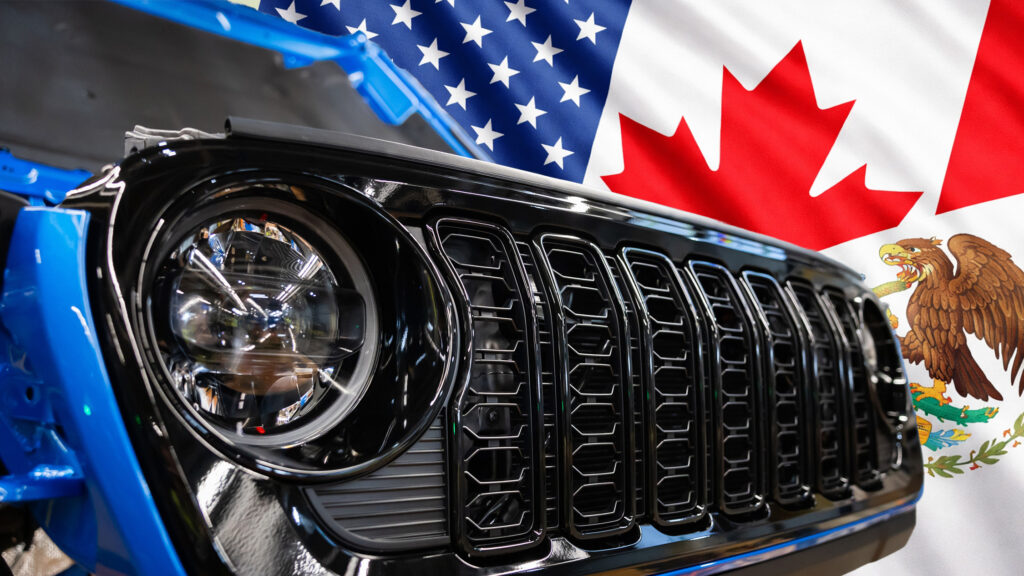
The North American automotive industry and trade rules between the countries of the region are once again in the spotlight. The U.S. International Trade Commission has launched a new investigation into the rules for determining the origin of automobiles under the USMCA agreement. Manufacturers across the continent are eagerly awaiting the results of this process.
Recall that the USMCA agreement replaced NAFTA in 2020, significantly strengthening the requirements for what is considered a North American-origin automobile. To qualify for duty-free access, vehicles must contain 75% of components from the region. Furthermore, 40% of a passenger car’s key parts must be manufactured in the USA or Canada. For pickup trucks, this figure is 45%.
This may seem simple, but in the context of global supply chains, things are often quite different.
Impact on the Economy and Future Decisions
The Commission states that it will examine the impact of these rules on GDP, employment, wages, investment, and competitiveness. It will also assess whether these rules make sense in light of rapid technological changes. This is already the third in a series of five reports to be prepared by 2031. Public hearings will take place in October, and the findings will be presented by July 2027.
Unintended Consequences and the Automakers’ Position
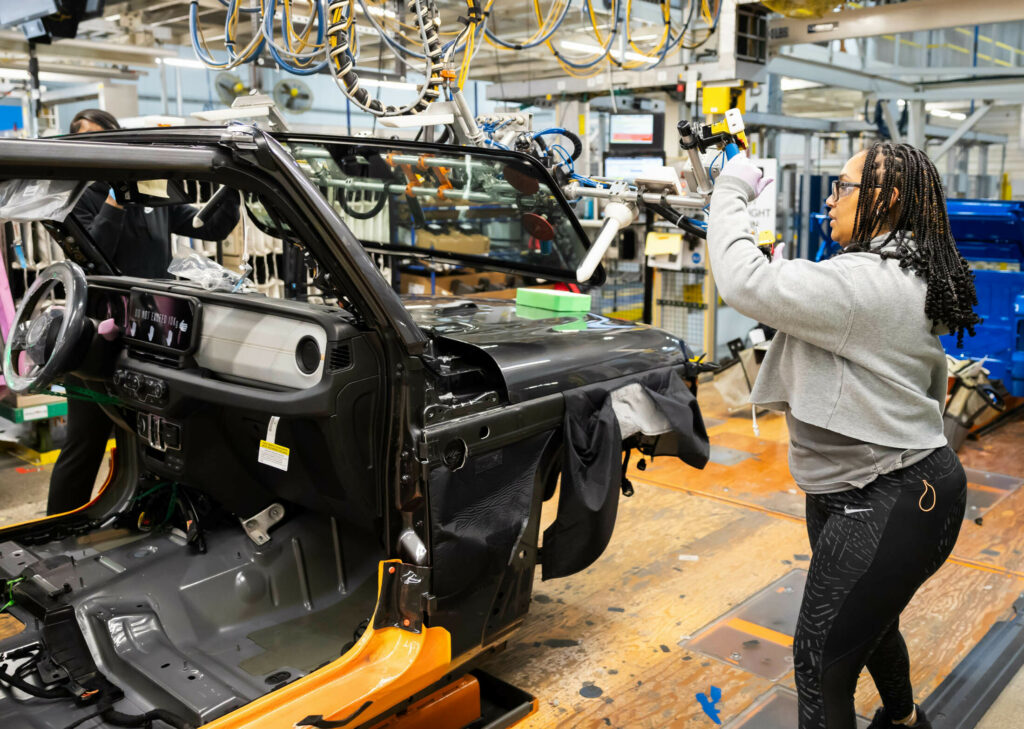
The rules were designed to bring more manufacturing back to North America. However, some economists argue they may have had the opposite effect. Manufacturers sometimes choose to pay a small 2.5% tariff for non-compliant vehicles rather than undertake the complex process of restructuring supply chains.
Automakers, including GM, Ford, Toyota, and Tesla, have called on the administration to uphold the USMCA and provide clarity. However, Stellantis went further, proposing that vehicles imported from outside North America be subject to similar rules, or that tariffs on compliant Canadian and Mexican cars be eliminated.
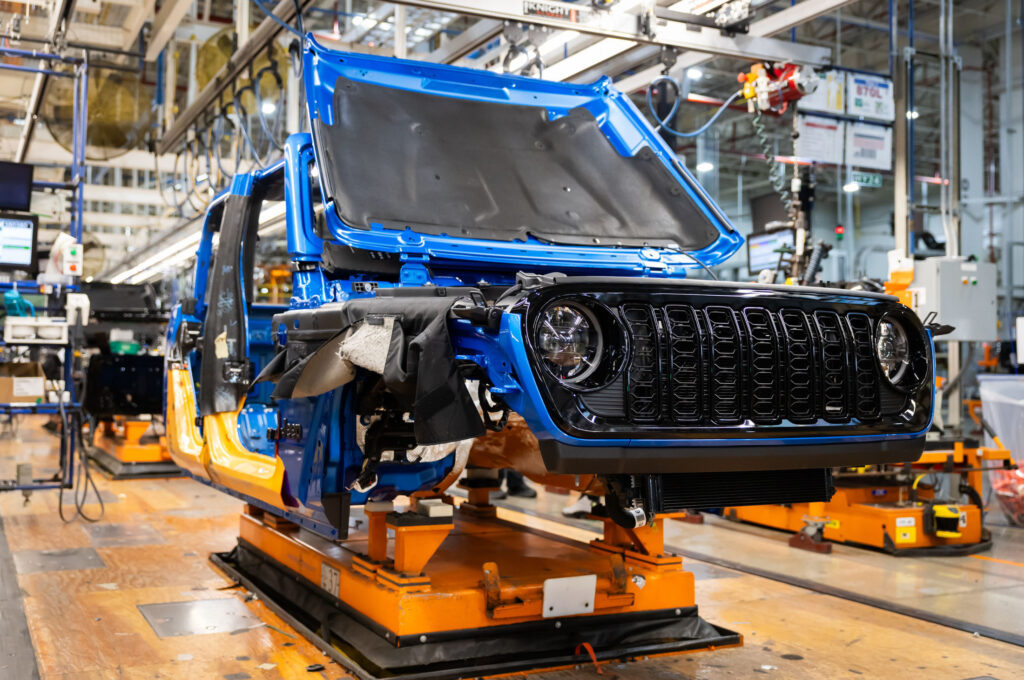
The question of whether this investigation will lead to changes, a tightening of rules, or will remain just another voluminous report remains open. However, it is clear that in a context where a component can cross a border multiple times before reaching a dealership, rules of origin can become a serious headache for manufacturers and potentially make a new car more expensive for the end consumer.
This review of the rules is taking place against the backdrop of broader geopolitical discussions about the future of trade in the region. Constant changes and uncertainty create additional challenges for an industry trying to adapt to the electric vehicle transformation and shifts in global supply chains simultaneously. The stability of the regulatory environment is becoming a key factor for the long-term investment decisions of major automakers.