 by
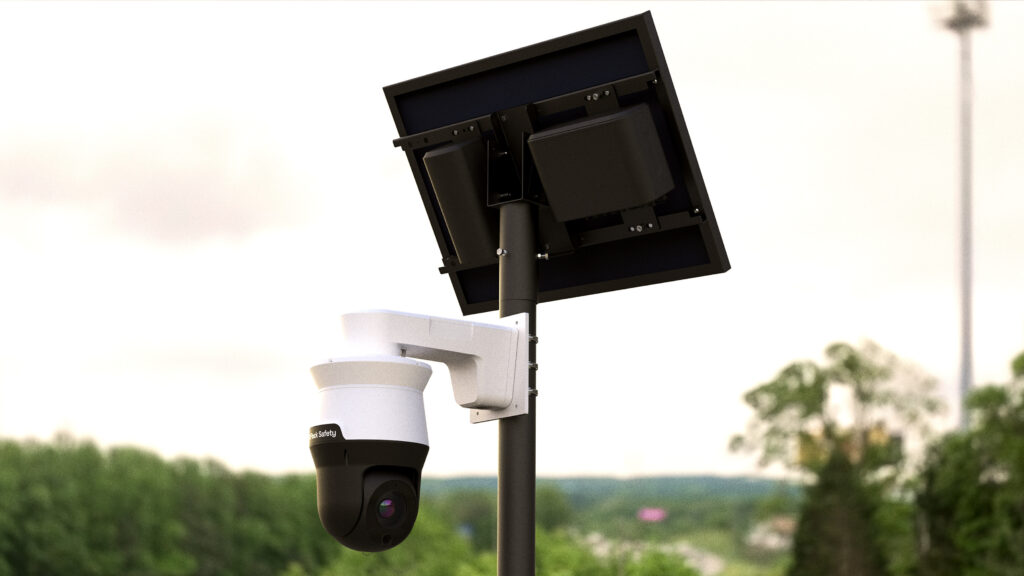
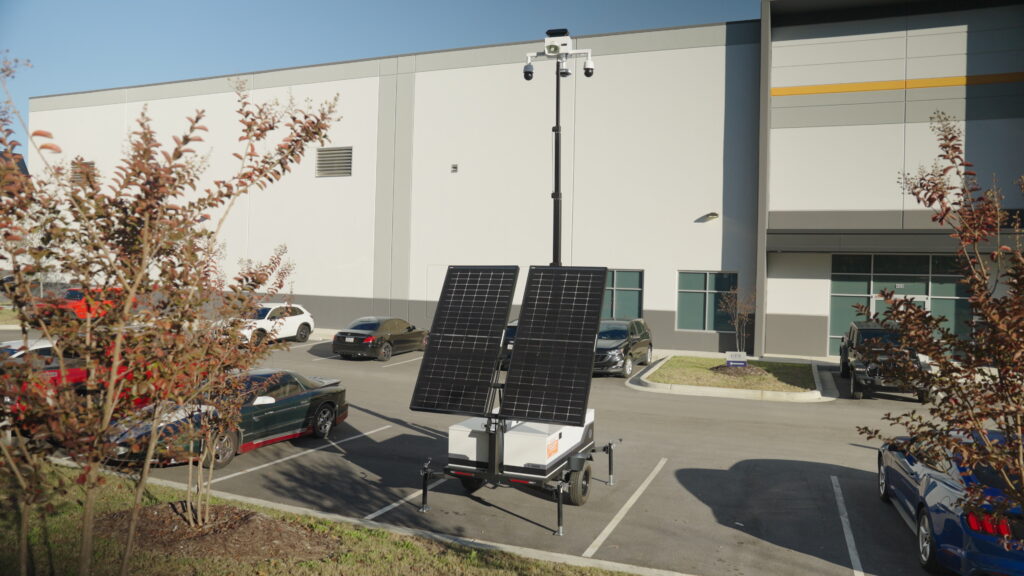
by The city of Staunton, Virginia, is officially ceasing the use of automated license plate readers from Flock Safety. Local authorities announced they will terminate the contract with this Atlanta-based company and dismantle the stationary cameras installed throughout the city.
The Reason for the Decision — A Statement from the CEO
The decision was made following an email from Flock Safety CEO Garrett Langley. In his address, he stated that the company and its law enforcement partners are under a “coordinated attack” from activist groups that “want to defund the police, weaken public safety, and normalize lawlessness.” Staunton representatives made it clear that such a position does not align with the city’s values.
The city acknowledged that the Staunton Police Department had recorded “numerous successes” thanks to this technology. Police Chief Jim Williams, who has served in the department for over four decades, had previously defended the cameras, emphasizing their usefulness in finding missing persons, recovering stolen vehicles, and identifying suspects near crime scenes.
But in a written response to Langley, Williams rejected the characterization of critics proposed by the CEO. “What we are seeing here is a group of local residents expressing concerns,” he wrote, adding that the debate is simply “democracy in action.”
For Staunton officials, such an aggressive framing apparently became a point of no return. The city reports that it is already coordinating with Flock regarding the final termination of the contract, powering down the cameras, and their removal. The exact removal schedule will be announced later.
A Wave of Concerns Spreads Across the Country
Staunton is far from the only city to take such measures. According to data, cities in Oregon, California, Arizona, and other states have either suspended or terminated contracts with Flock. The reason is growing concern about data storage, privacy, and the potential for this data to be accessed by federal agencies or agencies from other states, including those dealing with immigration matters.
In Windsor, Connecticut, the town council this week voted 8–1 in favor of turning off the Flock cameras. The decision is effective until the contract terms or a replacement system better align with the town’s recently adopted privacy and security policy for automated license plate readers.
Reportedly, 16 stationary cameras in Windsor were capturing data from rear license plates at key entry and exit points of the town. Opponents of the system expressed concerns about data control, retention periods, and who could potentially access this information.
The Controversy Between Security Tools and Principles
Mayor Nuchette Black-Burke presented the decision as a matter of principle, stating that “based on what we are facing and what we hear from our constituents, this is a matter of principles.” She emphasized that Windsor residents want clear oversight mechanisms for surveillance technologies. Councilwoman Oyala Na’im, who introduced the motion to suspend the system, stressed the need for tools that serve public safety while respecting privacy and ensuring transparency.
“There are solutions for our police department that we can consider, but given the wide range of controversies, I believe this is the best path forward,” said Na’im. “My motion is to turn them off, and we have until May to decide whether the contract will be canceled.”
Proponents of the systems argue that automated license plate readers are a valuable tool in combating crime. Undoubtedly, they can indeed be effective. However, it is equally impossible to deny that they create objective problems surrounding privacy, civil liberties, and data sharing. For now, Staunton has sided with its citizens.
This situation points to a deeper trend of reassessing the balance between security and freedom in society. Technologies that emerged as an obvious solution for law enforcement are now undergoing rigorous scrutiny at the local community level. The question is not only about effectiveness but also about trust, control, and transparency. Decisions by cities like Staunton and Windsor may set a precedent for other municipalities trying to determine where exactly the line lies between legitimate surveillance for protection and excessive intrusion into private life. The future of such systems will likely depend on the development of clear legislative frameworks that simultaneously protect citizens and provide law enforcement with the necessary tools.