
 by
by Automated license plate recognition systems from Flock Safety often spark controversy, but questions of transparency and control sometimes concern the city governments themselves. Public safety contracts regularly become a test of these principles. For instance, the Mayor of Denver recently faced criticism after approving a deal with this company, the cost of which was deliberately set just below the threshold requiring city council approval.
Surveillance System in Las Vegas Without Public Discussion
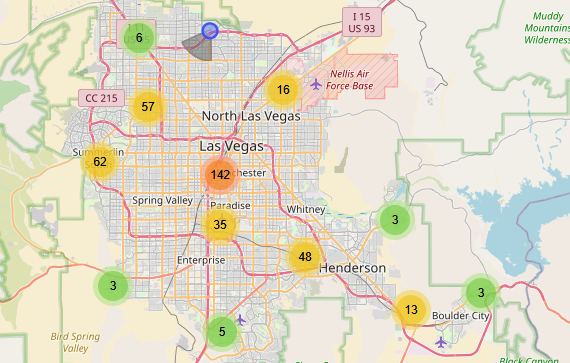
Attention has now turned to Las Vegas, where police are using about 200 Flock cameras, the installation of which the public was never consulted about. The reason is that nearly all of them are funded by private donations.
Typically, cities pay for automated license plate recognition systems themselves, giving citizens a chance to voice their opinion on such contracts. However, as reported by The Nevada Independent, private donors, such as the Horowitz Foundation, provided funds to the Las Vegas Police Department through its non-profit arm, Friends of Metro. Critics argue that this scheme effectively bypasses the public debates that usually accompany the deployment of surveillance systems using taxpayer money.
Scale of the Network and Number of Searches
According to police, the department operates approximately 200 Flock cameras installed on city or county infrastructure and shares data with hundreds of state and local agencies across the country. Public audit logs collected by the resource Have I Been Flocked show that since late 2023, Las Vegas police have conducted over 23,000 vehicle searches.
This is a short-circuiting of the democratic process. Does the community want this technology imposed on it?
This is far from the first time privacy concerns have arisen due to such systems. For some residents, that isn’t even the primary concern. What happens when private funding runs out? Perhaps that’s when citizens will get a chance to vote. For now, it doesn’t seem that the desires of Nevada residents regarding this technology are being considered. The system continues to collect data on the vehicles of both Las Vegas residents and visitors.
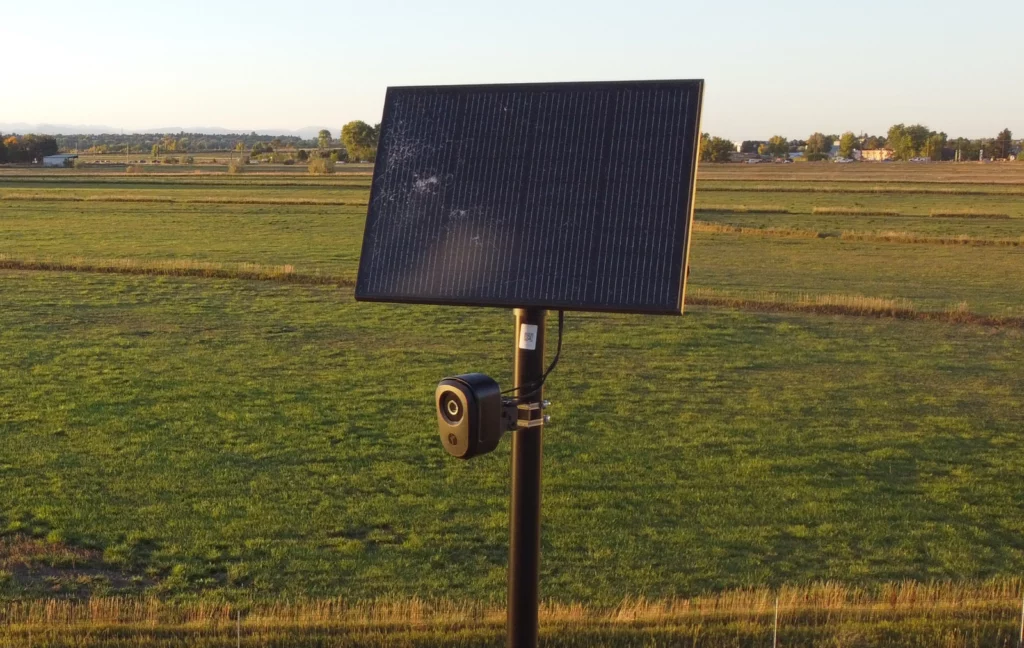
The practice of privately funding police technologies sets an important precedent for the relationship between the community, law enforcement, and private capital. It raises questions about the long-term stability of such initiatives and the real level of public control over tools that can significantly impact private life. The situation in Las Vegas demonstrates how technological solutions can be deployed while bypassing traditional democratic mechanisms, which could have implications for other cities considering similar funding models.