 by
by Speed Cameras Activated in Phoenix
The city of Phoenix, Arizona, USA, has activated 17 new speed enforcement cameras. This is the first activation of such a system since 2019 and is part of a $10 million safety initiative. Currently, the cameras are only recording violations and sending warnings, but starting March 25, they will begin issuing fines. Here is what drivers in the region need to know.
Key Facts:
Camera Locations and Logic
Nine cameras are permanently installed on major thoroughfares identified as “high-risk” zones based on crash data. According to city officials, these areas have a history of speed-related crashes, including serious injuries and fatalities. Another eight cameras will change their location weekly, rotating through various school zones.
According to media reports, drivers caught speeding will receive written warnings by mail until March 24. Starting March 25, actual fines will begin.
On regular roads, the cameras will record and fine anyone traveling 11 mph or more over the posted speed limit.
Stricter Rules in School Zones
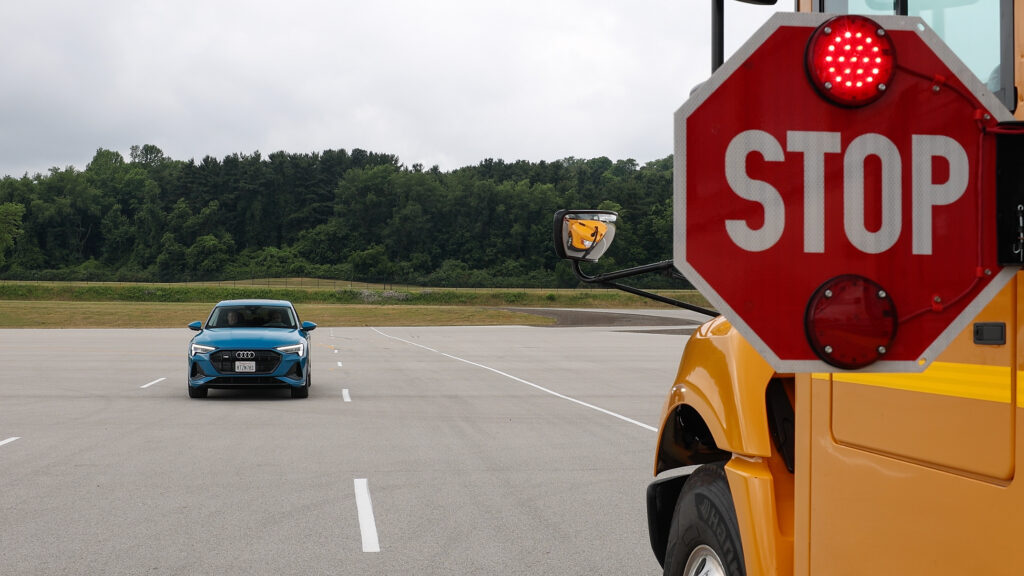
In school zones, the threshold for recording a speeding violation drops to just five mph over the limit. It is worth noting that Phoenix schools typically have a 15 mph speed limit, meaning any speed over 20 mph in this case will be grounds for a fine.
Fines start at approximately $250, although the total amount can increase depending on speed and whether the violation occurred in a school zone. Importantly, these are cameras located on stretches of road between intersections, not at the intersections themselves. They do not capture red-light runners but are instead positioned away from them.
The Future of Automated Enforcement
According to Phoenix police, speeding complaints are among the most common. Staffing shortages also played a role in the return of automated enforcement, as cameras allow officers to focus on higher-priority calls. However, not everyone is happy with this decision, and the cameras may not remain in the long run.
Lawmakers are advancing a bill that would allow residents to vote on whether photo enforcement of traffic laws should be permitted anywhere in Arizona. Unlike standard legislation, this proposal would not require the governor’s signature if passed.
A fines scandal in the neighboring city of Mesa is part of the impetus for this bill.
Permanent Camera Locations
- Thunderbird Road: from 35th Avenue to Interstate 17
- 32nd Street: from Greenway Parkway to Bell Road
- Thunderbird Road: from Interstate 17 to 19th Avenue
- 7th Street: from Thomas Road to Indian School Road
- Indian School Road: from 83rd Avenue to 75th Avenue
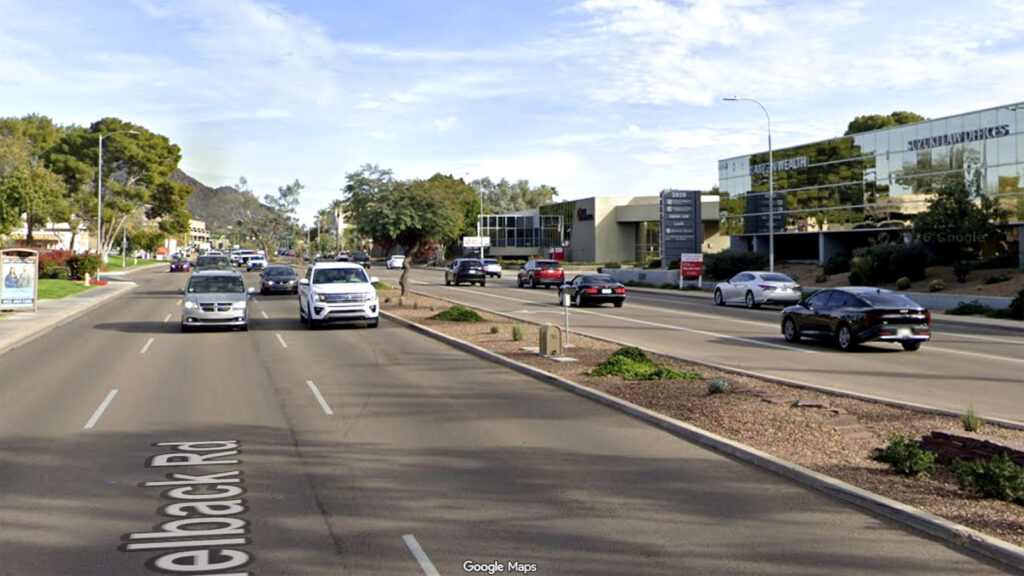
- Camelback Road: from 24th Street to 32nd Street
- 51st Avenue: from Van Buren Street to Interstate 10
- Baseline Road: from 16th Street to 24th Street
- Bell Road: from Interstate 17 to 19th Avenue
Featured image: Google Maps
The return of speed cameras to Phoenix occurs against a backdrop of ongoing debate about the balance between public safety and private space. On one hand, accident statistics justify their use, especially near schools. On the other, questions arise about the system’s transparency, appeal possibilities, and true purpose—whether it’s safety or budget replenishment. The experience of other cities shows that the effectiveness of such measures is highest when accompanied by infrastructure changes that slow traffic and extensive public awareness campaigns. The future of these cameras in Arizona may now be decided not by the administration but directly by citizens in a referendum, making this situation a telling example of public discussion on control technologies.