 by
by An Incredibly Small Number of Recalled Motorcycles
Vehicle recalls typically involve thousands or even millions of units. However, from time to time, there are cases where the scale is so minimal it almost seems like a joke. This often concerns supercar manufacturers who discover a minor issue. This time, it’s about BMW, and the essence of the matter is directly related to the humorous stereotype about drivers of this brand. One owner of an S 1000 RR motorcycle nearly received a genuine excuse to never use turn signals.
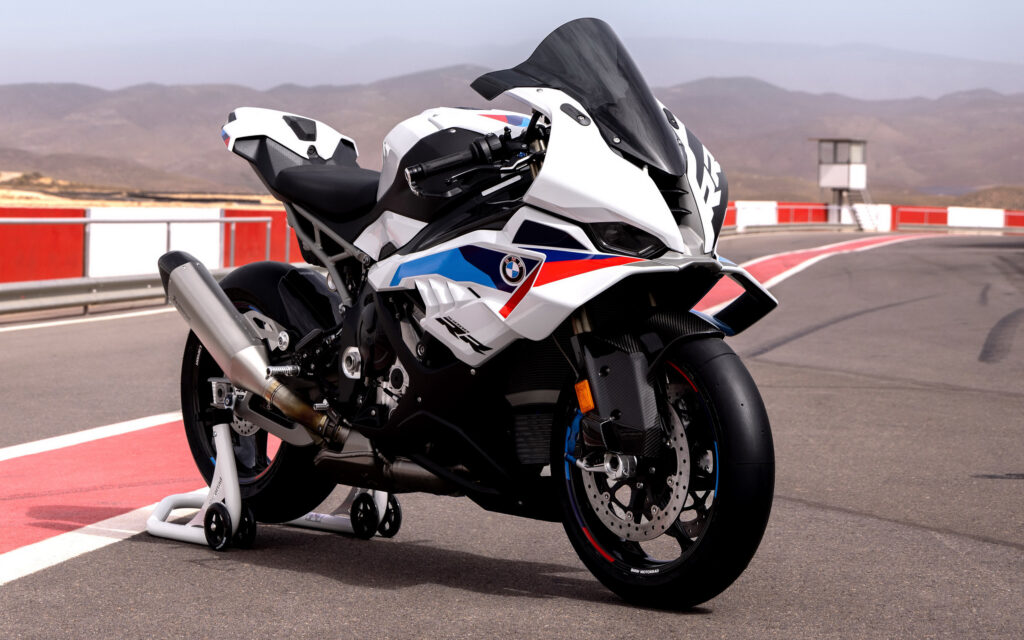
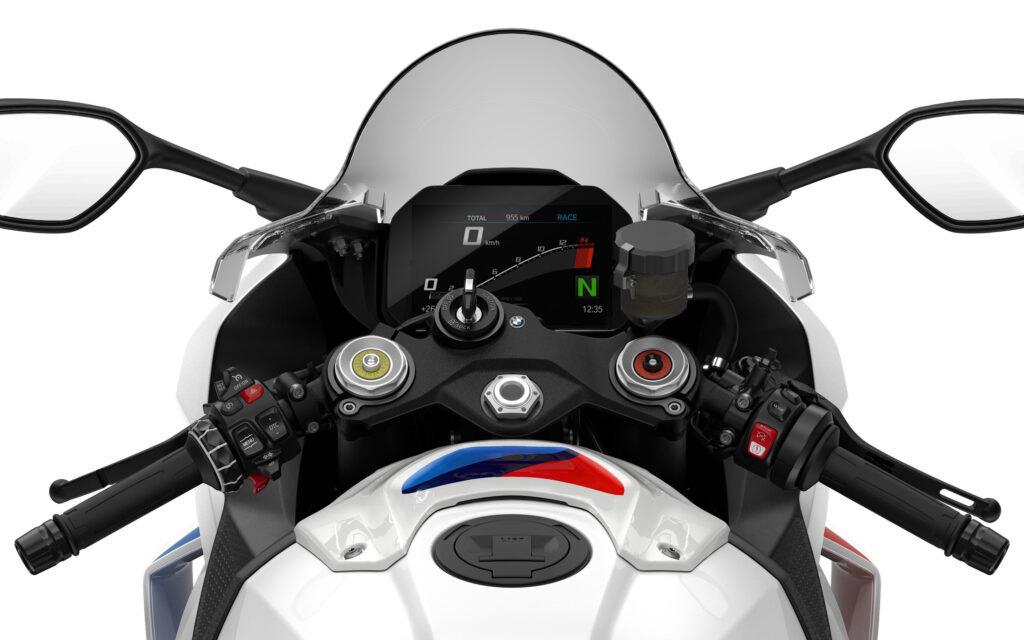
According to a safety report filed with the U.S. National Highway Traffic Safety Administration (NHTSA), it concerns a 2026 model year BMW S 1000 RR motorcycle that likely rolled off the assembly line with a faulty turn signal switch. The problem is centered on the left-hand combination switch. Due to a manufacturing defect at the supplier, the turn signal cancel button could accidentally activate simultaneously with the motorcyclist’s attempt to signal.
The Danger of a “Double Signal”
If this happens, the system can trigger what BMW calls a “double signal”: the turn signal activates and immediately turns off. In practice, this means the motorcyclist might think they have turned on the turn signal, while in reality, it has already canceled itself. Unsurprisingly, such a situation can increase the risk of an accident. After all, the advantage of a physical switch lies precisely in the confidence that it is working, even without requiring visual confirmation.
Modern Quality Control in Action
Although this recall looks somewhat amusing due to stereotypes about BMW owners and turn signal use, it is an excellent example of how modern quality control works in manufacturing. BMW first noticed an unusually high failure rate of the combination switches during final tests at its motorcycle plant in January 2026.
Engineers launched an investigation, reviewed the supplier’s production records, and halted shipments of potentially affected motorcycles while continuing testing.
The Cause Identified and a Solution Found
The culprit turned out to be improperly repaired production equipment at the supplier, Sensata Technologies Holland BV. This error led to the creation of a small batch of switches that did not meet specifications. After analyzing production data, BMW determined that only one motorcycle could have been equipped with such a faulty component. On February 19, the company decided on a voluntary recall. The fix is simple: replace the combination switch.
However, there is one important nuance. This particular motorcycle had not yet been delivered to a customer. This means that whoever eventually parks it in their garage will not be able to use the classic excuse about faulty turn signals. By the time the motorcycle is received, the switch will already have been replaced with a working one.
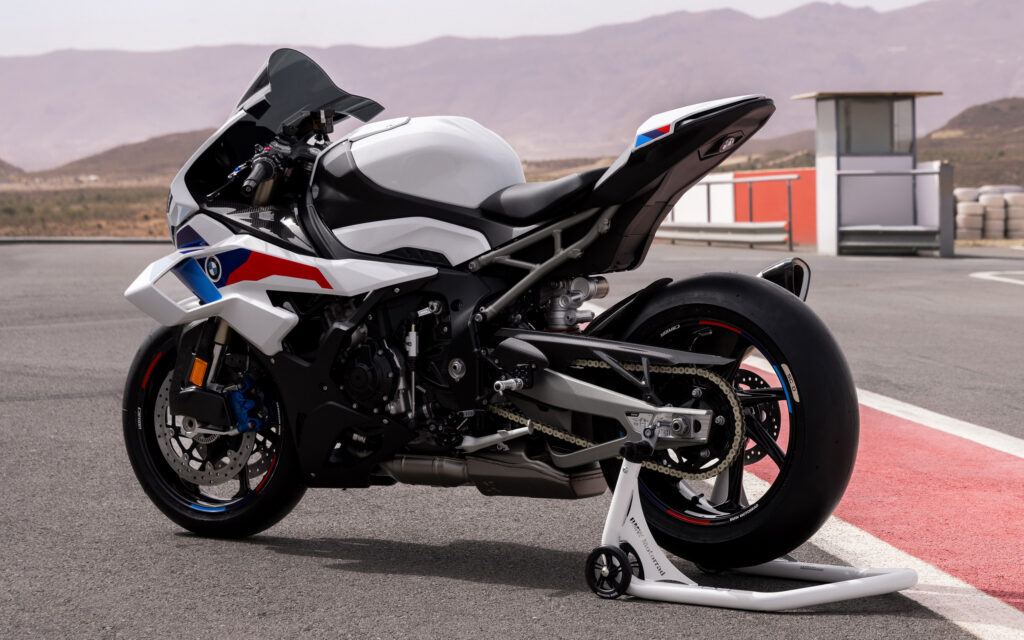
This case, despite its minimal scale, vividly illustrates the effectiveness of modern quality tracking systems, which are capable of detecting even a single defect among millions of components. It also demonstrates how seriously major automakers take even potential risks, initiating recalls regardless of the number of vehicles involved. Such preventive measures are a key element in maintaining consumer trust and ensuring road safety, even when it comes to a seemingly minor technical detail.