 by
by Pros: Fast, stylish design, competitive price.
Cons: Stiff suspension, limited cargo space, gimmicky features.
Tesla’s Competitive Landscape Abroad
While Tesla in the US can sleep soundly, protected from the wave of Chinese EVs, the situation abroad is completely different. In markets like Malaysia, the competitive environment is much more intense. Brands like BYD have quickly entered the market with smaller and more affordable electric cars, and now have an offering for almost every category occupied by Tesla.
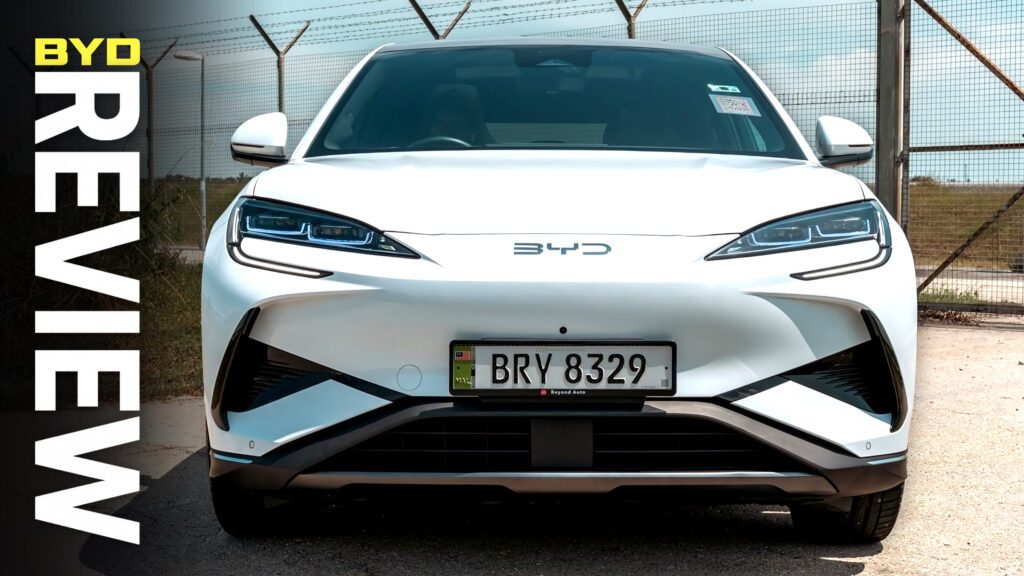
BYD Sealion 7 as a New Major Headache for the Tesla Model Y
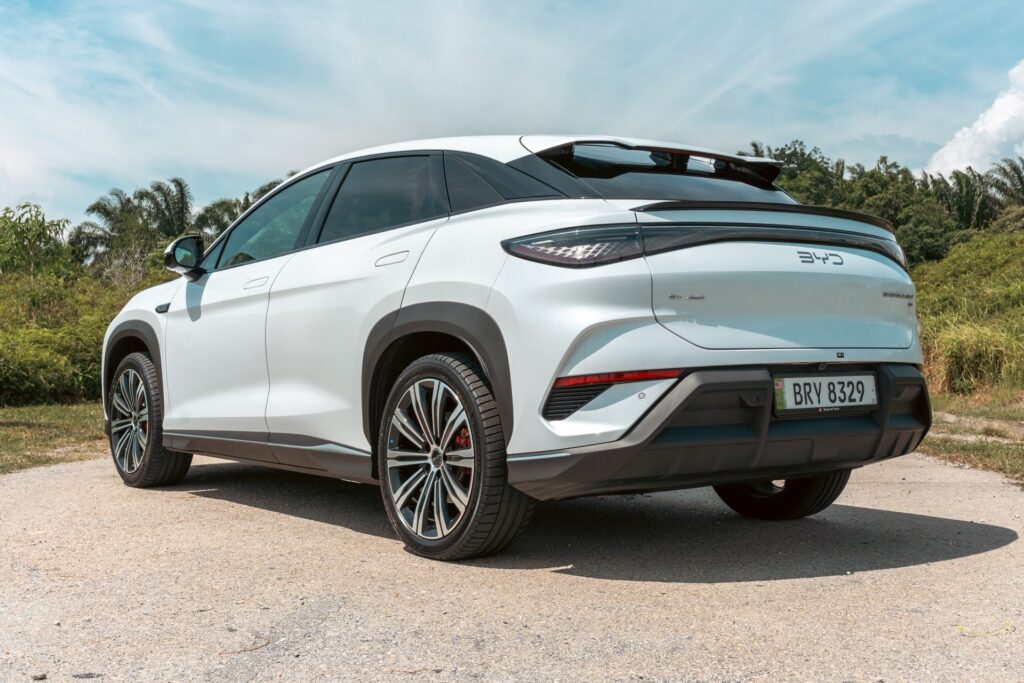
The Sealion 7 is a midsize electric crossover representing a more premium segment of the Ocean Series lineup. It is available in rear-wheel-drive and all-wheel-drive Performance versions, uses the e-Platform 3.0 Evo, Blade Battery, and the signature Ocean Aesthetics design. In fact, this model could become the next serious problem for the Tesla Model Y. However, the main question is whether it can compete not only with Tesla but also with the wave of other Chinese manufacturers that are also actively entering foreign markets.
Model: 2026 BYD Sealion 7 Performance
Dimensions: 4830 x 1925 x 1620 mm
Wheelbase: 2930 mm
Weight: 5159 lbs (2340 kg)
Powertrain: Dual electric motors / 82.56 kWh battery
Power: 290 kW / 690 Nm of torque
0–100 km/h acceleration: 4.5 seconds*
Charging: Fast charging (150 kW DC)
Range: 456 km (WLTP)*
Availability: Now
BYD Design and Model Lineup
BYD’s model names can be confusing. The brand has several lineups. For the domestic market, there are Dynasty series models, as well as the Ocean series, which, as the name implies, uses marine styling and names of sea creatures: Seagull, Dolphin, and Sealion. Sealion also has several variants: the Sealion 5 is a competitor to the Honda HR-V, and the Sealion 6 is a larger crossover akin to the Nissan Rogue.

The Sealion 7 is more akin to an Audi Q8—it’s a more stylish approach. The front end is typical for BYD, somewhat anonymous but not off-putting, while the rear looks very good. Instead of trying to be sharply ‘coupe-like,’ like the Porsche Cayenne Coupe or BMW X6, the shape is more cohesive, even egg-shaped. It’s not revolutionary, but it’s not different just for the sake of being different. It’s a sleek and well-thought-out car.
Practicality and Cargo Compartment
Rear-seat passengers don’t sacrifice headroom, which is a plus. However, after several trips to the airport, it became clear that the shape of the cargo compartment is not the Sealion 7’s strongest suit. The stylish rounded rear looks good, but when you need to close the trunk packed to the brim, you’ll have to play Tetris with suitcases or move some items into the cabin. This is a typical compromise between appearance and practicality.

Interior Quality and Technology
Unlike some other Chinese cars, the Sealion 7’s interior looks very solid. The sense of quality is premium, with soft-touch plastics everywhere, and the layout is clear and intuitive. However, there are almost no physical buttons for climate control—only a fan on/off button, which seems like a strange decision.
The 15.6-inch rotating screen can be called gimmicky. The hardware is powerful, the system works very fast, but when using wireless CarPlay or Android Auto, the screen forces you to work only in landscape orientation. The instrument cluster and head-up display are excellently integrated, with the latter supporting turn-by-turn navigation. The driver assistance systems have become less intrusive.
Dynamics and Handling
Behind the wheel, the Sealion 7 feels like a grown-up, but not a perfectly polished car. BYD’s premium offerings are getting closer to that semi-premium image they are chasing.
The all-wheel-drive Performance version with dual motors develops 523 hp and 690 Nm, accelerating to 100 km/h in 4.5 seconds. This is faster than the Porsche Cayenne Coupe S. The steering has good weight and provides necessary feedback. The chassis is dynamic and stable in corners, more like a sedan than a crossover.
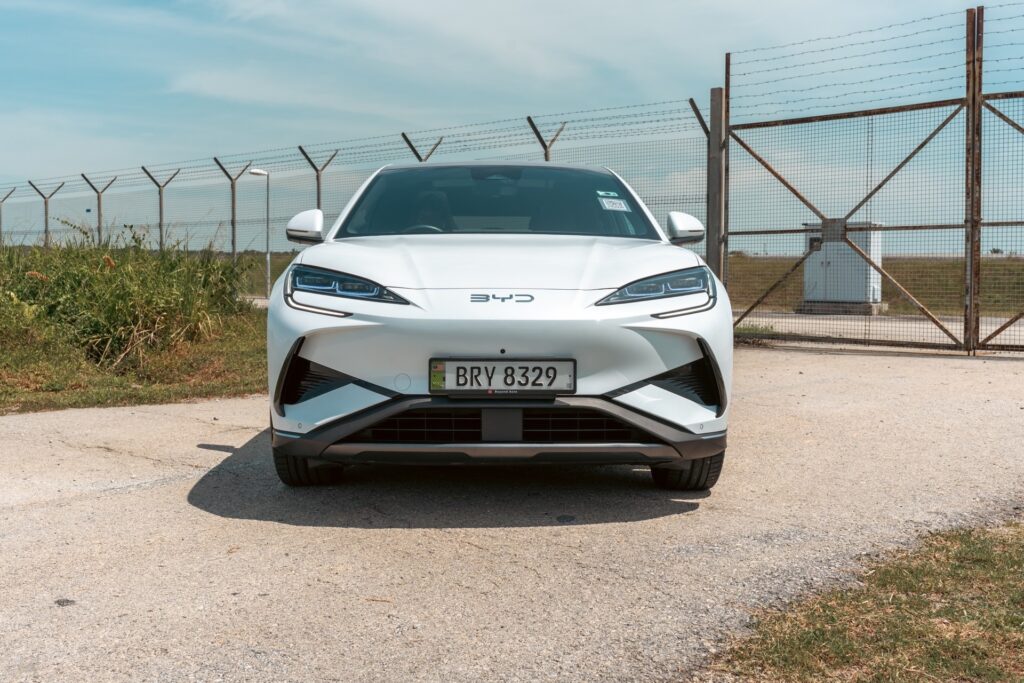
However, there is one serious drawback discovered on Malaysian roads. On large bumps, such as concrete slab joints, the suspension feels stiff and ‘cheap.’ At low speeds and on minor imperfections, the crossover demonstrates good composure. The Performance version also received quality Michelin Pilot Sport EV tires, indicating the seriousness of BYD’s intentions.
Conclusion and Market Prospects
In the Malaysian market, the Sealion 7 Performance costs significantly less than the Tesla Model Y Long Range AWD, while being faster and having a greater WLTP range. However, with the appearance of even more aggressive competitors like Chery and Changan in the East Asian market, the Sealion 7 faces a tough battle. This highlights the rapid development of the electric vehicle industry, stimulated by Chinese manufacturers actively seeking market share outside their country.
The price and specifications make the BYD Sealion 7 a very attractive proposition in many developing markets. Its success will depend not only on technical advantages but also on the brand’s ability to build a strong service network and provide customer support, which is critical for long-term competitiveness against already entrenched players. The speed at which Chinese manufacturers are improving their products suggests that the next generations of models may eliminate current shortcomings, further increasing pressure on traditional automakers.