 by
by New Strategy and Reductions at Porsche
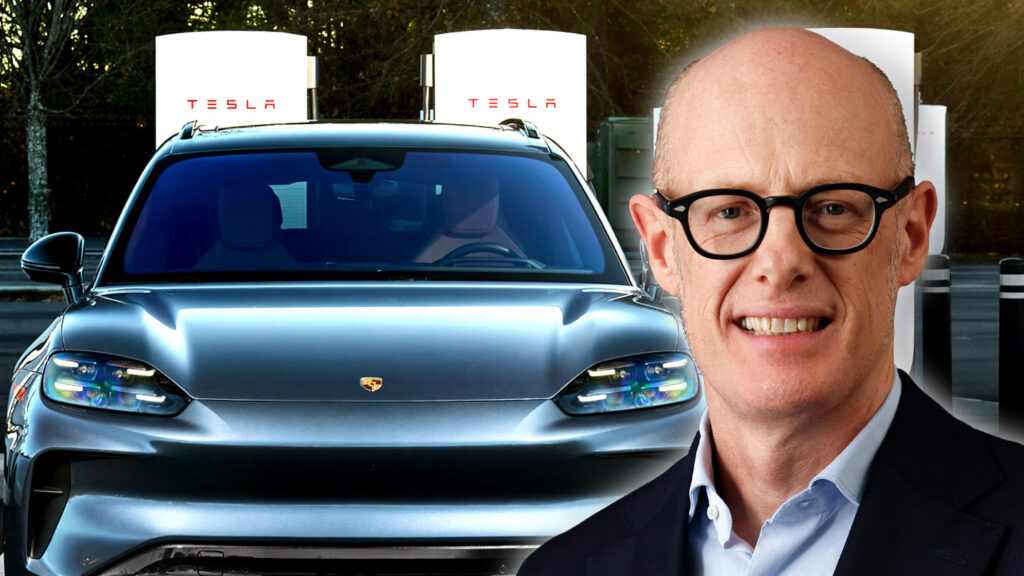
Porsche is preparing for larger staff reductions than initially planned. This is due to the costly change in its electric vehicle development strategy. The new CEO, Michael Leiters, has made it clear that the company must become more “lean” and efficient.
Earlier reports mentioned plans to cut about 10% of its 40,000-strong workforce, roughly 3,900 jobs, by 2030. However, according to recent data, this number may increase. Management emphasizes that the majority of the reductions should occur on a voluntary basis, not through forced layoffs.
We are optimizing our management structure, reducing hierarchy, and cutting bureaucracy
A more detailed restructuring plan is expected in the autumn.
Problems Due to Electric Strategy and the Chinese Market
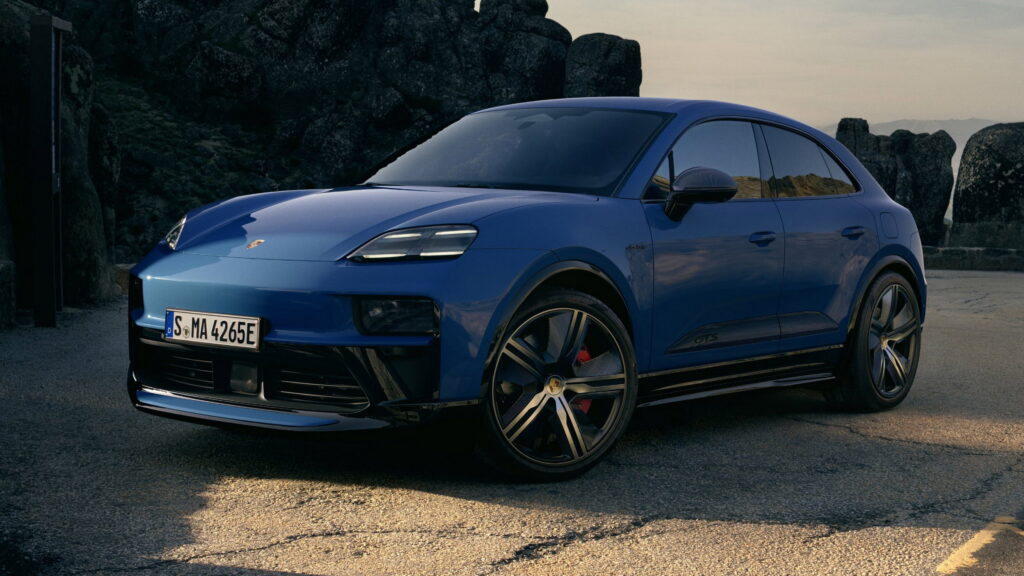
The reductions are linked to a change in course regarding electrification. Porsche actively promoted a rapid transition to electric vehicles, but demand in key markets turned out weaker than expected, and competition in this segment has intensified. The strategy shift led to asset write-downs amounting to 3.9 billion euros.
A serious challenge remains the Chinese market, where the premium segment has cooled, and local brands have become stronger competitors, especially in electric models. This complicates Porsche’s ability to maintain high prices without losing sales volumes. Additional difficulties are created by new tariffs, particularly in the US market, and supply chain tensions.
New Approach to the Future Model Lineup
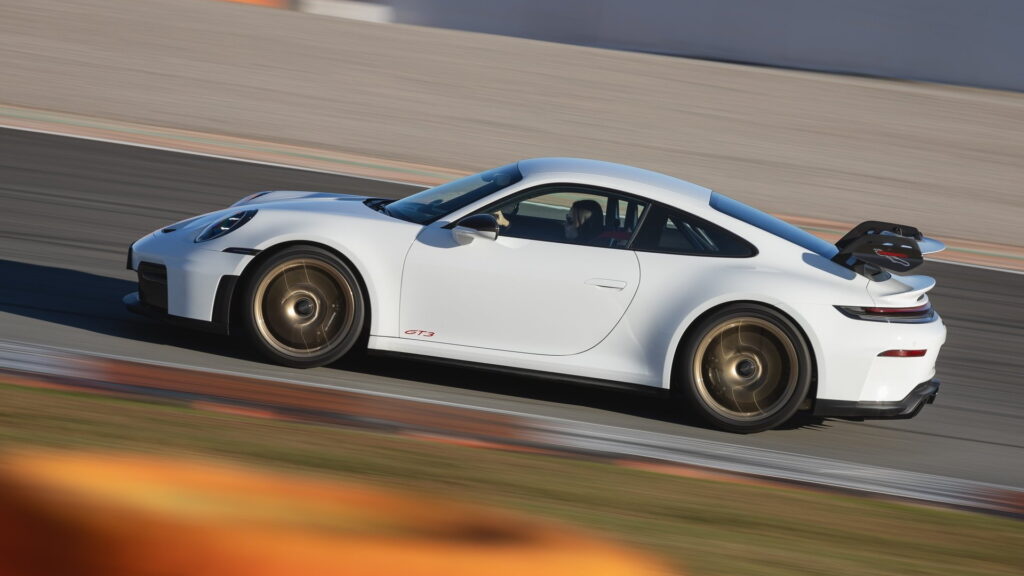
Porsche is not abandoning electric cars but is slowing the pace and broadening its approach. Leiters is expected to keep models with internal combustion engines, especially the 911, as the core of the lineup for a long time to come.
Hybrids and gasoline cars are likely to remain significant well into the 2030s. Plans for electric vehicles will now be more cautious and focused on actual demand, rather than ambitious deadlines. The company’s management is focusing on high-margin variants and options, aiming to increase profitability rather than chase sales volumes.
The situation at Porsche is a vivid example of the challenges faced by even the most successful automakers during the global industry transformation. On one hand, pressure from investors and the market demands following the electrification trend; on the other, unpredictable demand and fierce competition force plans to be adjusted. A focus on the profitability of individual models, rather than mass volume, may become the new norm for premium brands seeking to preserve their uniqueness and financial stability in uncertain times. The success of this strategy will largely depend on the company’s ability to balance between tradition, embodied by the 911 model, and the innovations of the future.