 by
by Rebirth of a Legend: How the Lamborghini Miura Marked Its 60th Anniversary and Changed the Supercar World
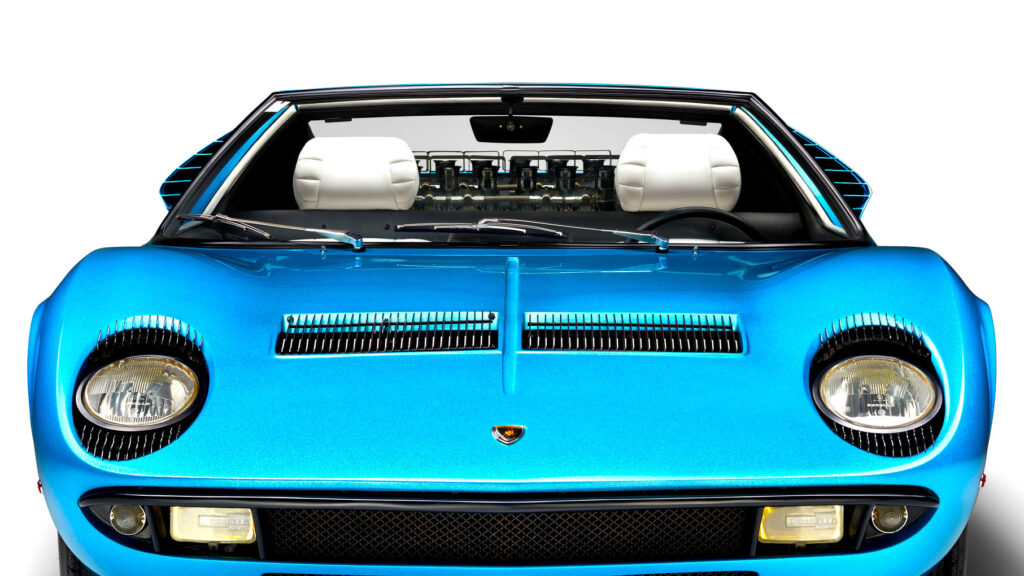
The Lamborghini brand appeared in 1963, but the true birth of the company as we know it happened exactly 60 years ago. In March 1966, the production-ready Lamborghini Miura debuted at the Geneva Motor Show, presenting the world with a concept that forever changed the history of high-performance cars.
Before the Miura’s appearance, fast cars already existed on the market. The front-engined Ferrari 275 GTB could reach over 250 km/h, and Lamborghini itself produced powerful, though not overly refined, GTs with a V12 under the hood. Mid-engined sports cars also existed, such as the Porsche 550 and ATS 2500 GT. However, it was the Miura that combined all the boldest ideas of its time.
The Miura debuted in 1966 and changed performance car history.
Technical Revolution and Undisputed Leadership
The Miura offered what no other production car could. Its incredibly beautiful body, designed by Marcello Gandini, combined the proportions of a racing car with a fully appointed interior trimmed in leather and carpets. At a time when the Ferrari 275’s engine had a single camshaft per bank and 300 hp, the Miura was equipped with a V12 featuring four camshafts and 350 hp, allowing it to reach a top speed of 274 km/h.
The Countach, F1, Veyron and others pushed boundaries further.
It was after test-driving the Miura that British journalist Leonard Setright first used the term “supercar” to describe the giant leap forward it represented. Although the word became common much later, the Miura is considered the progenitor of this class.
Successors and Competitors: Who Changed the Game?
The question of whether the Miura was the most important remains open. Its successor, the Lamborghini Countach, with its wedge-shaped design and scissor doors, essentially created the visual template for all future supercars. The McLaren F1, on the other hand, thanks to its use of innovative materials and incredible performance, shifted perceptions of a car’s capabilities to a completely different plane, ushering in the era of hypercars.
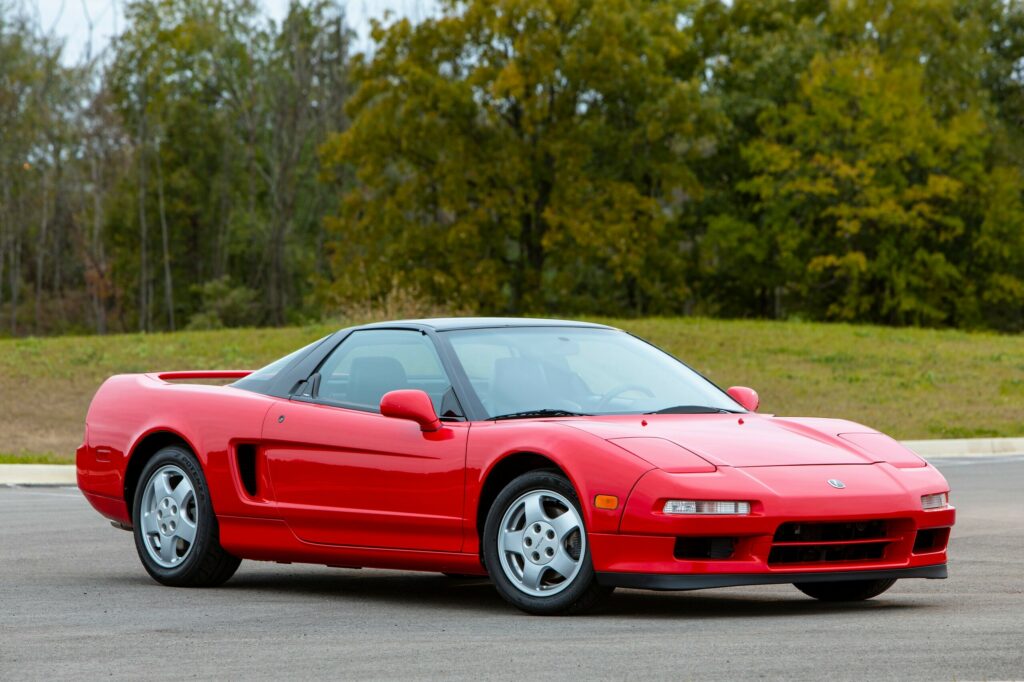
The Honda/Acura NSX deserves special attention. This car revolutionized the segment by proving that a supercar could be not only fast but also reliable and comfortable for daily use. Its philosophy directly influenced the development of the McLaren F1.
The NSX also deserves credit for reshaping supercar expectations.
Sixty Years Later: Who Remains the Greatest?
Six decades after the Miura’s debut, a logical question arises: which car made the greatest contribution and holds the most significance? Who is the greatest supercar, considering both classic models and modern hypercars? Each contender — the Miura, Countach, McLaren F1, NSX — shifted the focus and redefined standards, forcing the entire automotive industry to move forward.
Sixty years of supercar history demonstrate not only technical progress but also the evolution of the very idea. From the pure, unrestrained audacity of the Miura to the technocratic perfection of modern models — each era found its hero. Today, as electrification and autonomy begin to touch even this sacred segment, one can only wonder if a car will ever appear capable of having the same groundbreaking impact as the original Miura in 1966. The legacy of these cars is not just numbers on a speedometer, but a mythology that continues to inspire engineers and dreamers around the world.