 by
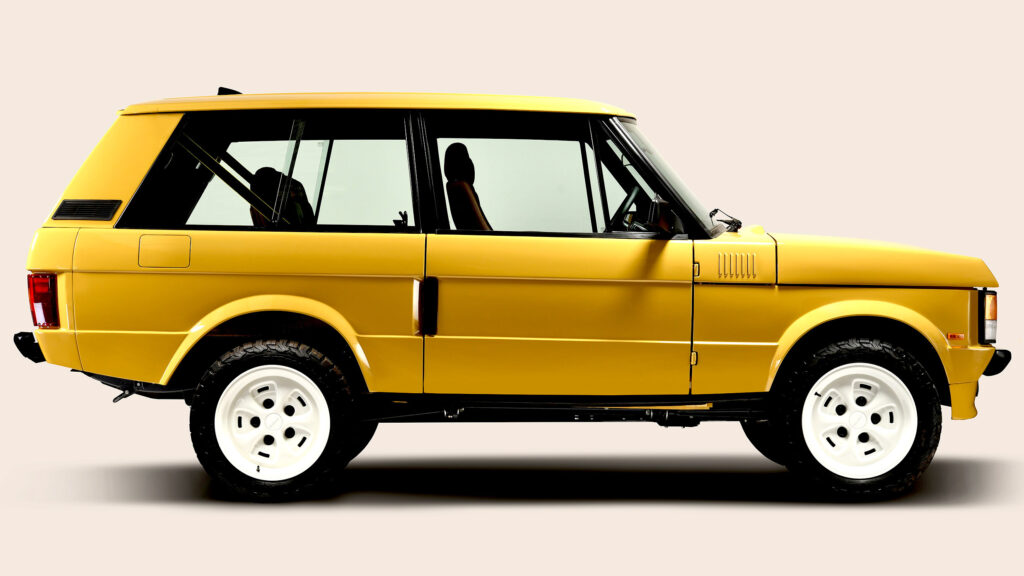
by Twisted has introduced its first project based on the iconic two-door Range Rover Classic, known as the TRRC. After years of working with Defender vehicles, the brand has turned its attention to this legendary model.
Key Features of the Updated Off-Roader
Exterior and Body
Designers managed to preserve the visual heritage of the original Range Rover while adding modern touches. These include a new front bumper, radiator grille, headlight surrounds, and alloy wheels. Although the body panels look authentic, each one is actually made from aluminum to individual dimensions using hand-beating technology, ensuring perfect panel gaps.
The build process for each car begins with a complete strip-down to the bare chassis. The chassis is then thoroughly cleaned, abrasively treated, and coated with a protective satin-black finish.
Interior and Comfort Updates
The car’s interior has also undergone serious changes to meet modern standards. Additional sound insulation and high-quality carpeting were added. The upholstery is made from new leather, covering, among other things, the heated front seats. For entertainment, a single-unit multimedia system with rear speakers has been installed. An important change was the seating position – the seats are positioned significantly lower than in the standard Classic, improving ergonomics.
Availability and Cost
Becoming the owner of such a restomod is not only an expensive task but also a time-consuming one. The starting price for a fully reworked example begins at £350,000. Furthermore, only 12 cars are built annually, in both right-hand and left-hand drive versions. Before delivery to the client, each off-roader undergoes 500 miles of testing. Orders for 2026 are already fully allocated, so potential buyers will have to wait their turn.
The popularity of restomods, especially based on icons like the two-door Range Rover, continues to grow. This indicates not only nostalgia for classic design but also a desire to own a car with unique character and modern technical equipment. Limited series and manual labor make projects like the TRRC not just vehicles, but rather objects of collection, investments in automotive art. The success of such initiatives may inspire other workshops to revive other legendary models of the past.