 by
by License Plate Recognition Systems Under Criticism
Automatic License Plate Recognition (ALPR) systems are increasingly making headlines. This time, the reason is not that they collect enormous sums in fines or that they are being hacked by criminals. Instead, a new issue related to immigration control is emerging.
Are those entrusted with such an important task obtaining lawful access to these cameras and are they using them properly? Some municipalities are not sure about this, creating a rift across the country.
Controversy Surrounding Flock Safety
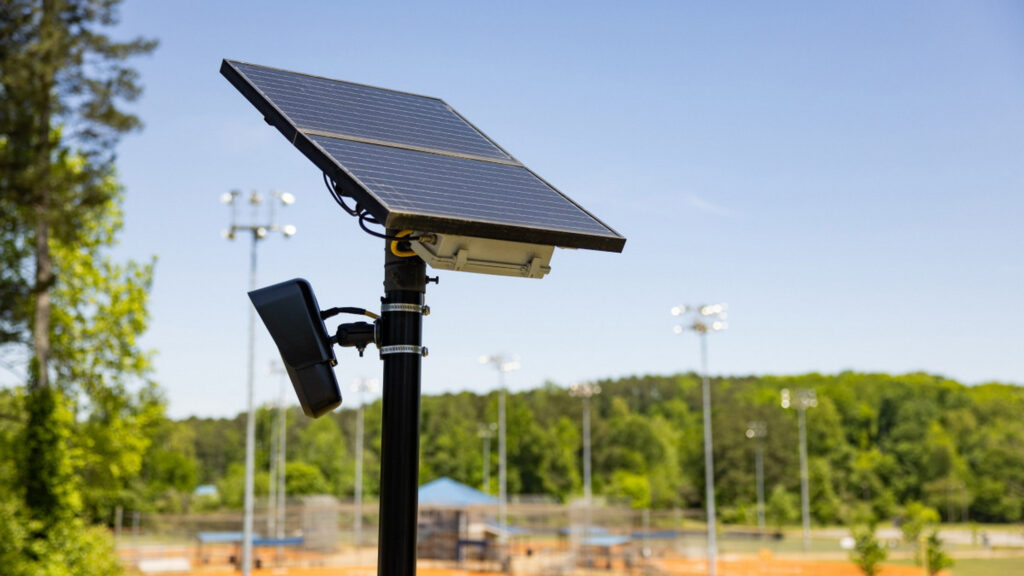
The controversy centers on Flock Safety, one of the largest providers of AI-based license plate recognition systems in the country. Its cameras are used by thousands of police departments and private communities, but concerns about how data may be shared, especially with federal agencies, have led dozens of cities to turn these systems off.
“It’s unfortunate to be the focus of so much attention, especially when the core issues have nothing to do with our technology or our company,” said Dan Haley, Flock’s chief legal officer.
The company banned federal agencies from accessing its national and state search tools as far back as August of last year. However, this has not stopped the wave of concern from citizens who do not want to see mass government surveillance expanding before their eyes.
The Scale of Technology Rejection
More than 50 cities in 20 different states have already deactivated or rejected Flock cameras. 38 of these cases occurred in the last six months, and this does not include other camera systems and companies that local authorities have turned down.

Expansion of Surveillance Technologies
Regardless of any particular municipality’s stance, the technology is not slowing down. Companies are expanding beyond license plate readers, deploying drones, gunshot detection systems, and real-time crime centers that integrate multiple data streams into a single live surveillance network.
Proponents argue that such tools make communities safer. Opponents say they risk turning everyday driving into something that can be tracked, stored, and searched, and the fight over immigration control is making these debates more heated than ever.
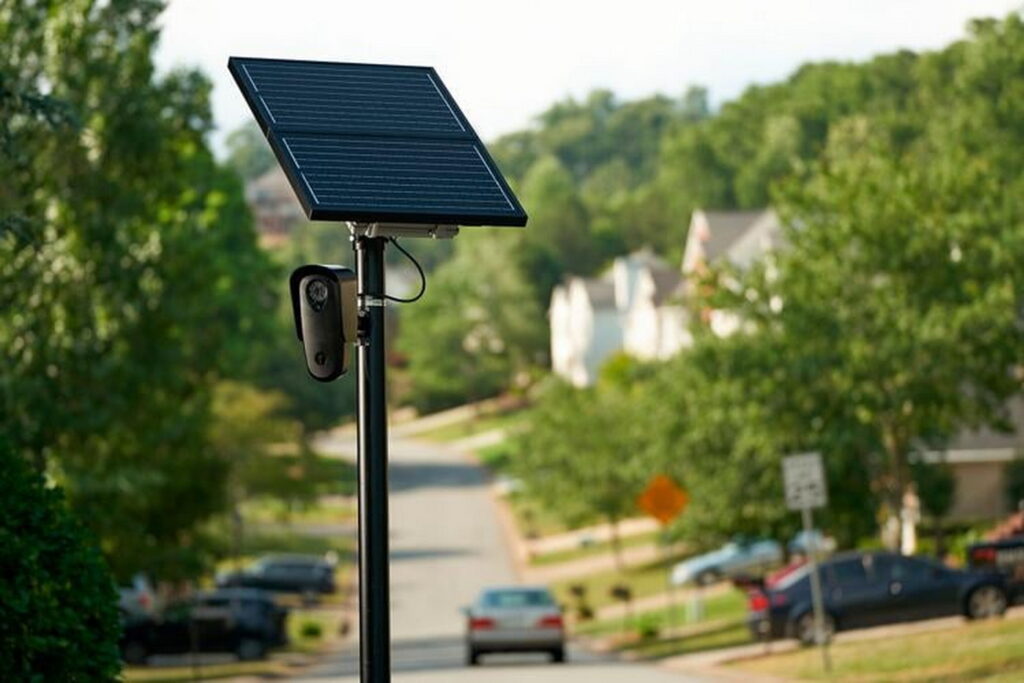
Photo: Flock Safety
Balance Between Security and Freedom
Flock believes that the public will soon accept this new level of surveillance. The company even called it a “very rational compromise.” The question remains whether this will become a reality. The open question is whether society can develop legal and technological mechanisms that effectively protect individual privacy without depriving law enforcement of powerful tools to prevent crime. The experience of other countries shows this is a fine line, and the public debate now unfolding in the US is crucial for shaping the future not only of traffic control but also the general concept of security in the digital age. The rapid spread of such technologies often outpaces the development of legislation, creating legal uncertainty and potential for abuse.