 by
by Changes in New York Road Patrols
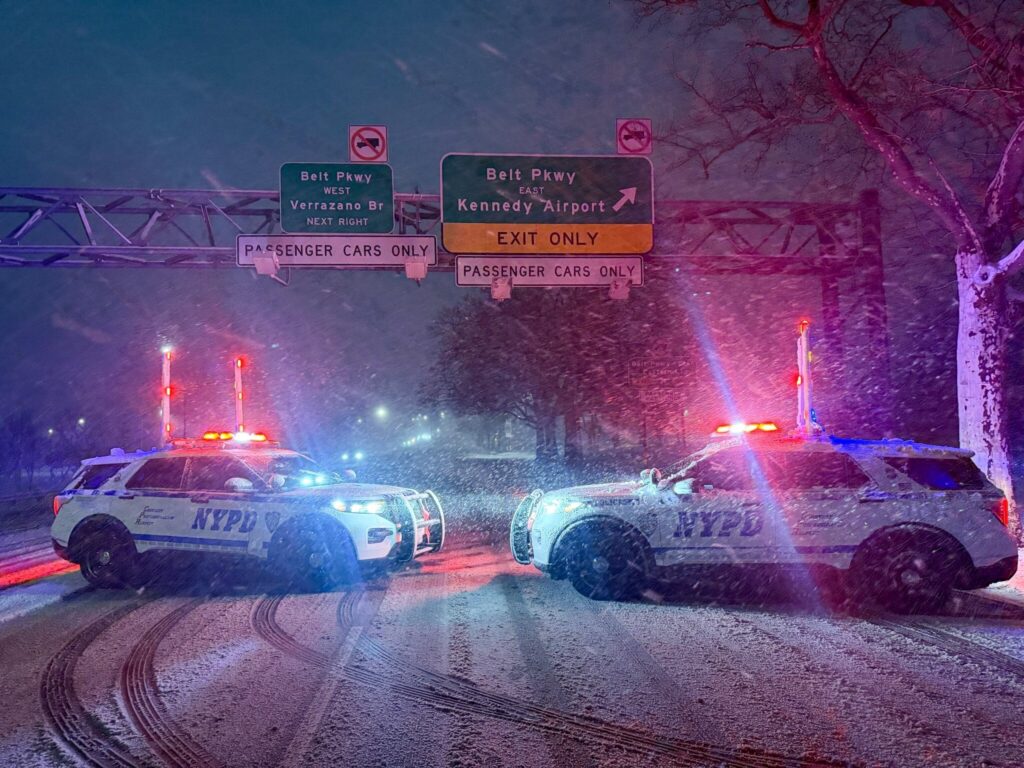
Drivers in New York are noticing significantly fewer police officers on the roads compared to the situation a few years ago. New data indicates that a combination of various factors, including the development of the traffic camera system, has led to a decrease in the number of vehicle stops for violations, but at the same time to a significant increase in the total number of fines. This situation may seem strange, but the traffic control system itself is changing across the United States.
Sharp Decline in Fines Issued by Officers
Over the past decade, the number of traffic violation fines issued by the New York Police Department has significantly decreased in all five boroughs of the city, with Staten Island seeing one of the largest declines. In 2015, officers issued just over 1 million moving violation tickets citywide. By 2025, that number had fallen to approximately 678,000, representing a decrease of about 32 percent. On Staten Island alone, the number of tickets dropped by almost 52 percent over the same period.
The biggest changes occurred in 2020, when enforcement sharply eased during pandemic lockdowns and never returned to previous levels. Compared to the previous year, the number of tickets on Staten Island fell by almost 69 percent between 2019 and 2020, while citywide penalties were nearly halved. Common violations such as failing to signal, not wearing a seatbelt, and disobeying traffic signs decreased very significantly.
Police Staffing Reductions
Staff numbers seem directly related to the situation. Currently, the NYPD has approximately 33,000 uniformed officers, compared to over 40,000 in 2000. Local officials claim that a smaller staff simply does not have time to focus on traffic enforcement while responding to higher-priority calls.
A former officer stated that the staffing shortage means police often rush from one incident to another instead of conducting proactive stops. Of course, this does not prevent the state from generating revenue through traffic violation fines.
Rapid Increase in Camera-Issued Fines
Automated traffic enforcement is rapidly expanding. In 2025 alone, speed cameras issued over 4.4 million tickets across New York City. On Staten Island, cameras issued over 441,000 speeding tickets, which is more than 100 times the number of tickets issued by police.
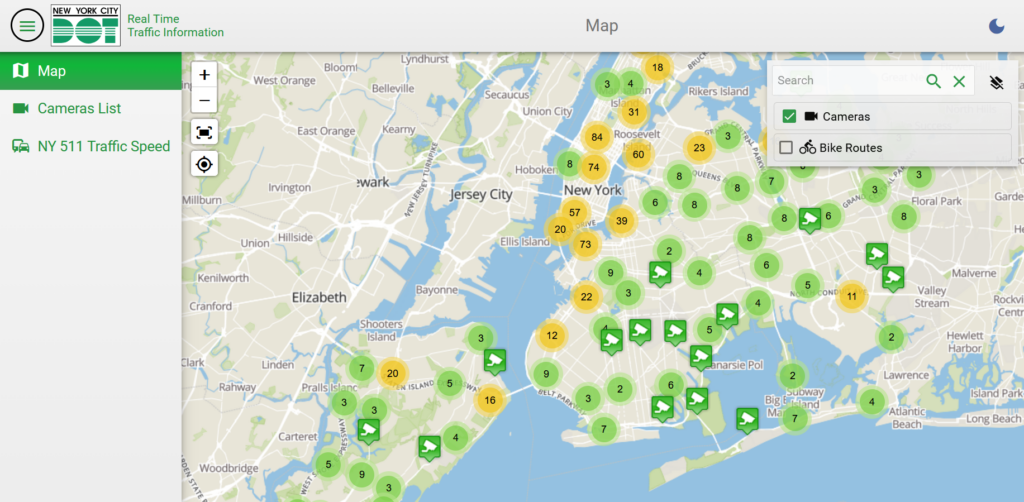
This shift is partly intentional. The city has expanded its camera program to operate 24/7, seven days a week, and plans to lower speed limits to 15 mph near hundreds of schools. Officials claim this will improve safety. Whether it actually will is hard to say, but it will certainly bring the city additional funds.
The transition from human enforcement to automated enforcement reflects a broader transformation in law enforcement and urban infrastructure management. While cameras provide constant surveillance independent of staffing issues, their deployment raises questions about the balance between safety, privacy, and fiscal interests. The effectiveness of such measures in actually improving road safety, as opposed to simply increasing the number of fines, remains a subject of public debate and further analysis.