 by
by Lamborghini Murcielago with Japanese Tuning Sold for Big Money
Prices for the Lamborghini Murcielago have been steadily rising in recent years, especially for cars with the rare six-speed manual transmission. However, as it turns out, originality is not a mandatory condition for a high price. One of the most unusual conversions we’ve seen has just changed hands for a very serious sum.
This particular Lamborghini is a 2007 Murcielago LP640 Coupe, which was initially delivered to the USA and exported in 2012. Its story takes a new turn in Japan, where it was worked on by one of the country’s most recognizable tuning ateliers — Liberty Walk.
Liberty Walk has never been about restraint, and that philosophy is fully manifested here.
Wild Body Kit and Japanese Aesthetics
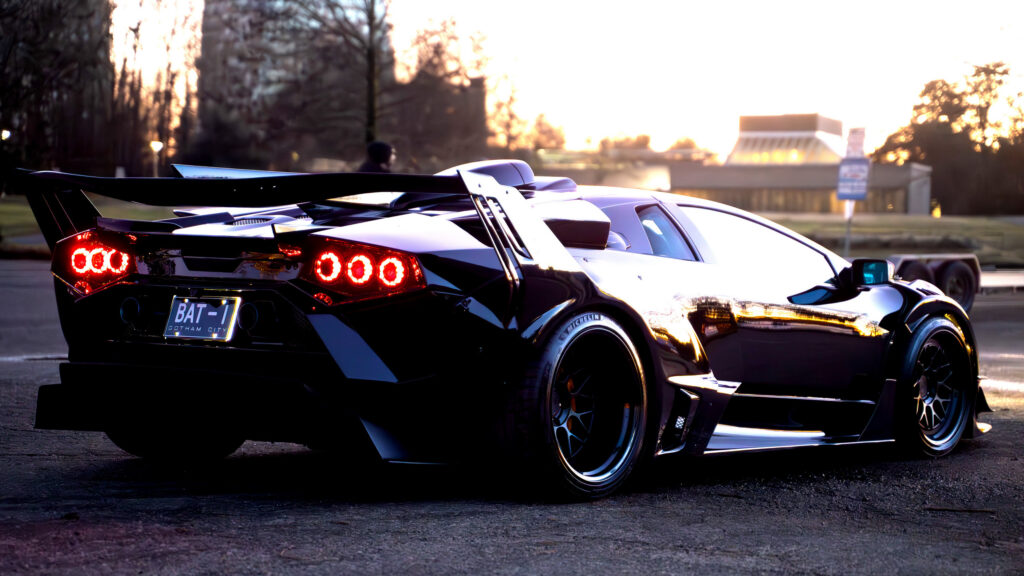
The Silhouette Works GT Evo body kit for the Murcielago looks absolutely wild. The front end of the car is completely reworked and seems to have been inspired by the limited-series Reventon. Key changes include a new bumper, additional lights, modified headlights, and a new hood.
Liberty Walk also created characteristic wheel arches and side skirts for the Italian supercar. The car even received a large roof scoop, though it’s unclear whether it’s functional or just for aesthetics. However strange the front and sides may look, the rear is even more whimsical thanks to a custom bumper, diffuser, wing, and taillights.
Technical Changes and Auction Result
Along with the body changes, the Japanese firm also fitted the Murcielago with 18- and 19-inch wheels shod in Michelin Pilot Sport 4 S tires. The car also received an Ideal Air Max air suspension system and a front axle lift system. Fortunately, most of the interior remained standard, though it features a digital rearview mirror and a Pioneer multimedia system.
One might have expected the Batmobile-inspired body kit, as well as the presence of the less desirable automated manual e-gear transmission, to spark controversy. However, someone was clearly willing to pay, as the car sold for $344,000. Undoubtedly contributing to the value is the fact that the car has only traveled 20,000 miles.
The sale of this car clearly demonstrates that the collector car market is becoming increasingly diverse. It’s no longer enough to simply have a rare model with low mileage. A unique history associated with a famous tuner and bold visual changes can create a new layer of value that appeals to certain collectors. This points to a growing interest in cars as artifacts of the automotive culture of a particular era, where modifications by renowned ateliers become part of their history and legacy. Such specimens often transition into the investment category, where emotional value and exclusivity can outweigh classical notions of originality.