 by
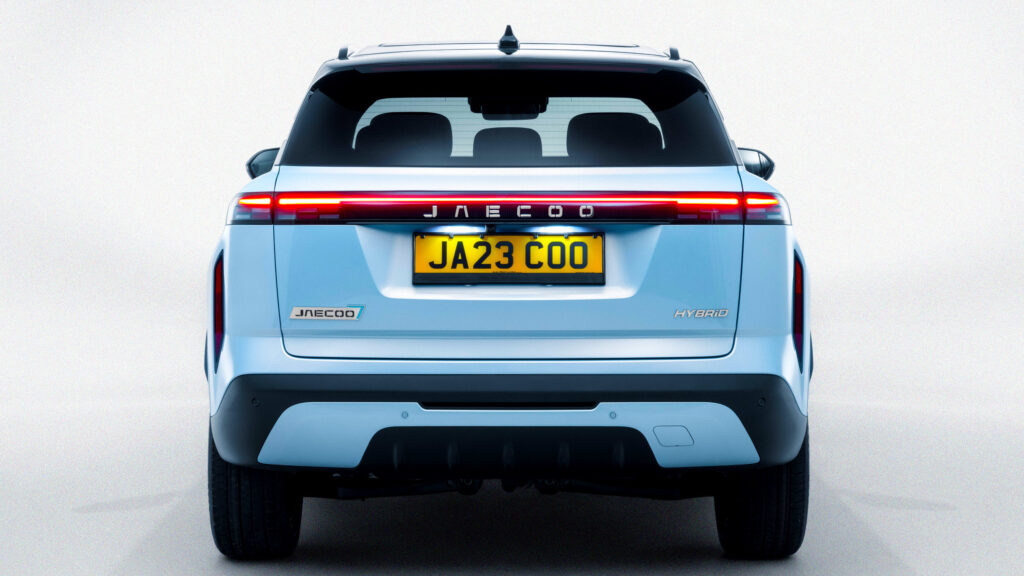
by March 2026 brought an unexpected change to the UK’s new car market. The Chinese crossover Jaecoo 7, owned by the Chery conglomerate, suddenly topped the sales rankings, overtaking long-expected leaders. This is the first time a car from a Chinese manufacturer has become the most popular in the country.
Chinese Newcomer Takes the Crown
The compact crossover, whose design resembles Range Rover models, has been jokingly nicknamed the “Temu Range Rover” online. This points to its similarity to the premium SUV and its affordable price. In March, 10,064 units of the Jaecoo 7 were registered. This allowed it to surpass such perennial leaders as the Ford Puma (9,193 units) and the Nissan Qashqai (8,718 units). The top five also included the Kia Sportage (7,310 units) and the Vauxhall Corsa (6,315 units).
The model appeared on the UK market in September 2025 and consistently made it into the top 10, but the leap to first place fundamentally changed the situation. For the first quarter of 2026, the Jaecoo 7 ranks second with 15,569 registrations, almost catching up with the leader—the Ford Puma (16,128 sales). The difference is so small that the coming months will be decisive.
Hybrid as the Key to Success
According to brand representatives, the hybrid version with the Super Hybrid System (SHS-P) became the most popular, accounting for 85% of the model’s sales in March. In the UK, the petrol-engine Jaecoo 7 starts from £29,105, while the top plug-in hybrid version costs £35,175. Even in the highest trim level, it is cheaper than similar competitors, giving it a significant advantage. Furthermore, it can travel up to 90 kilometers on electric power alone, which reduces the tax burden and makes it attractive to corporate clients.
The brand, owned by Chery, offers a 7-year warranty to dispel buyers’ doubts about a new manufacturer. The dealer network in the UK already numbers 124 outlets. Together with its sister brand Omoda, over 80,000 cars have been sold in 19 months, of which 17,861 were in March 2026 alone.
Record Month for Electric Vehicles
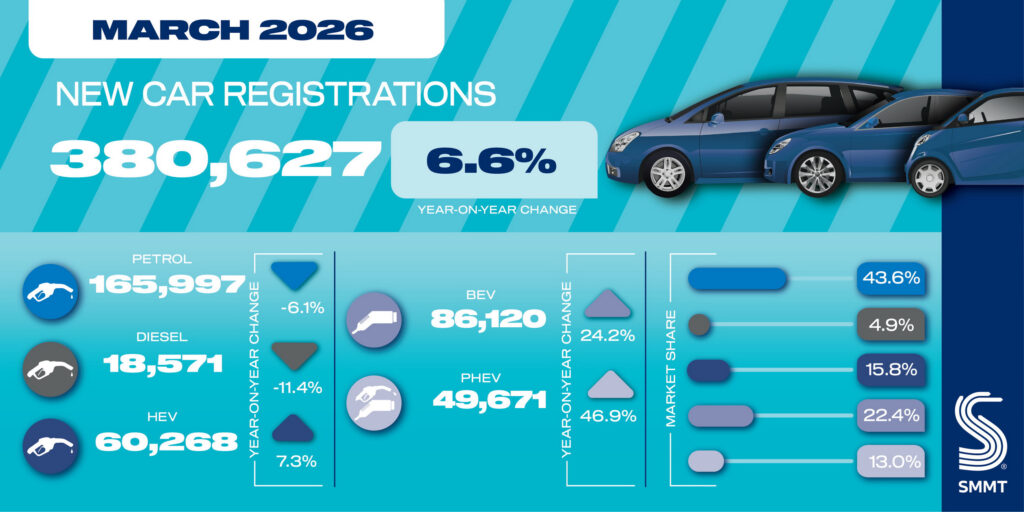
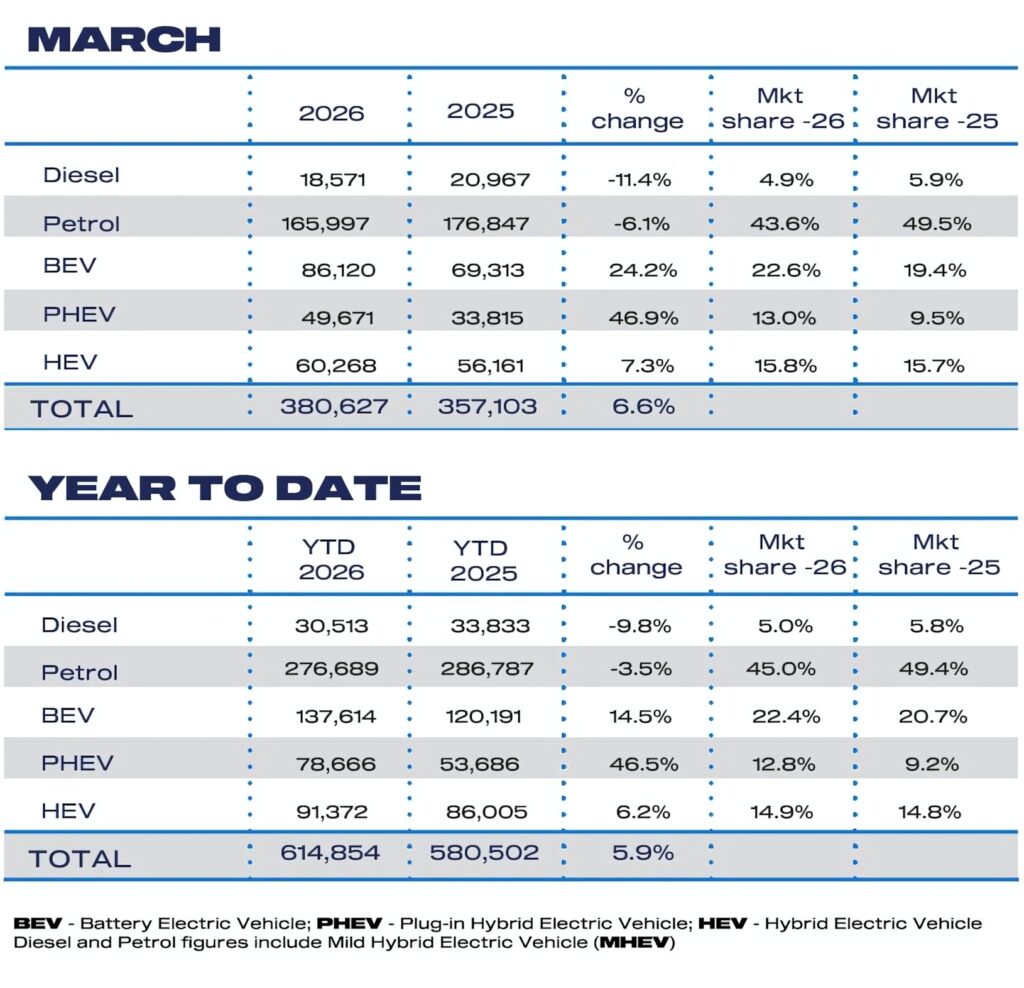
The UK’s new car market accelerated its growth in March. According to the Society of Motor Manufacturers and Traders, the number of registrations increased by 6.6% to 380,627 units, the best figure since 2019. Sales to private individuals grew by 10.1%, to corporate clients by 3.5%, and business registrations by 18.8%.
Electric vehicles and hybrids showed record results. Sales of plug-in hybrids grew the most—by 46.9%. Regular hybrids increased sales by 7.3%, and fully electric cars by 24.2%. March also became the best month in history for electric cars in the country.
In terms of market share, plug-in hybrids accounted for 13%, regular hybrids for 15.8%, and electric vehicles for 22.6%. The latter figure is high but still significantly lower than the government’s target level—33% of sales should be zero-emission vehicles by 2026.
Clouds on the Horizon
Despite the record numbers, the atmosphere in the automotive industry is far from celebratory. Manufacturers are forced to actively use discount systems to maintain demand. At the same time, battery costs turned out to be approximately 30% higher than expected, and public charging infrastructure prices have increased by 140% over the past five years. This creates pressure on profitability.
The situation is complicated by the crisis related to Iran. The conflict has led to a sharp increase in fuel prices, which could have contributed to interest in electric vehicles, but at the same time threatens to undermine consumer confidence due to the general increase in the cost of living.
“The strongest new car market since 2019 and record volumes of electric vehicle registrations are a boost for the industry and the economy. However, the headlines hide the costs incurred and the challenges. A significant portion of March’s results comes from orders placed before the start of the conflict in Iran, which threatens to increase the cost of living, undermining consumer confidence. Against this backdrop, and given that the electric vehicle market is falling further behind the established levels despite record incentives, an urgent review of the transition is needed to ensure a sustainable market, economic growth, and the UK’s zero-emission goals,” said Mike Hawes, CEO of the Society of Motor Manufacturers and Traders.
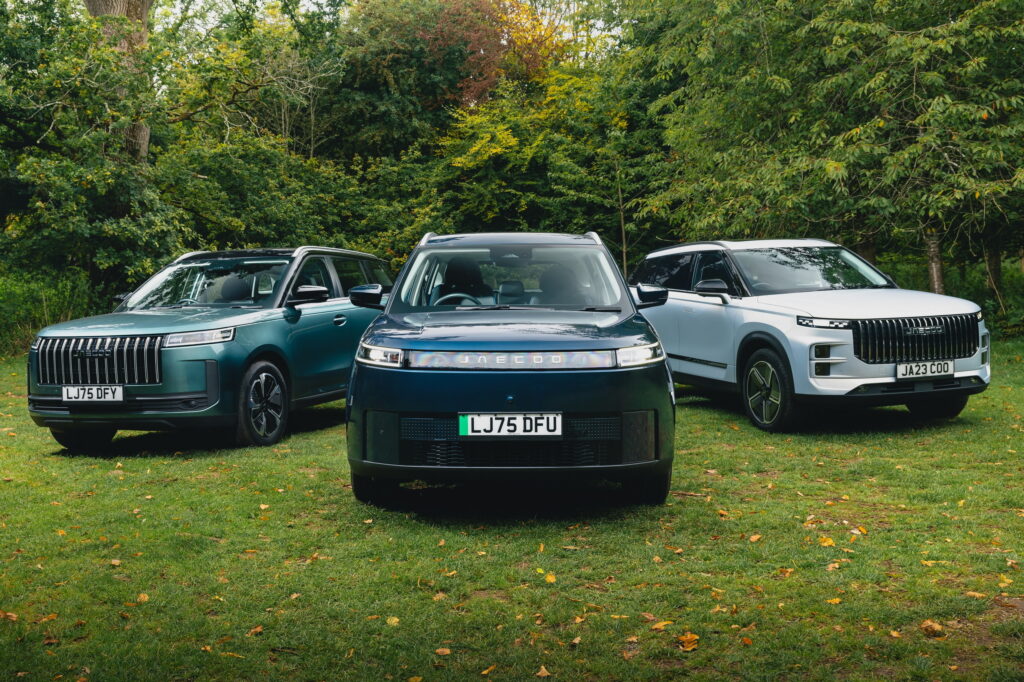
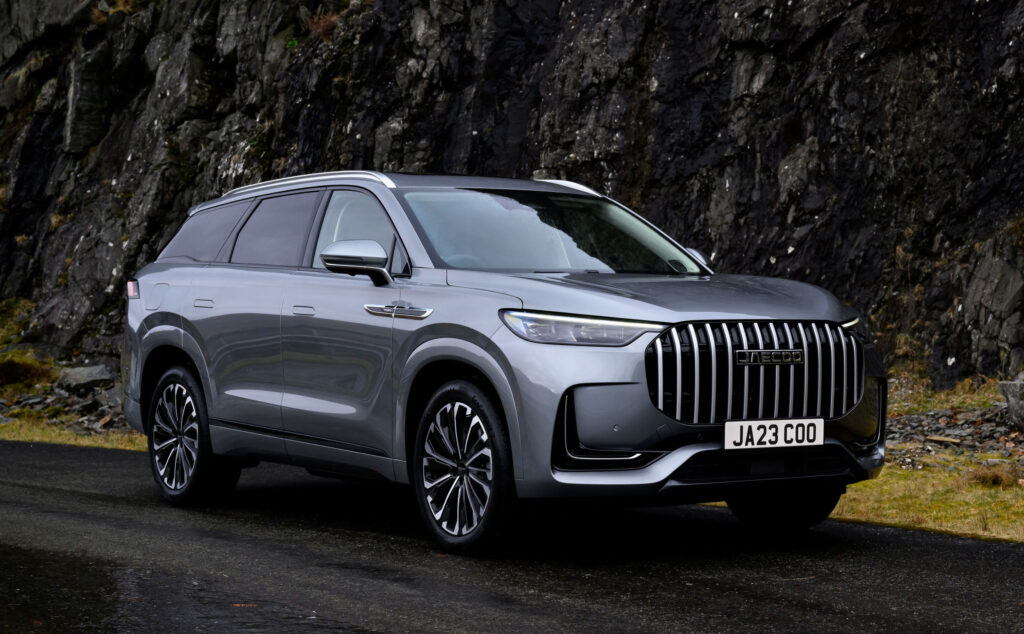
The success of the Jaecoo 7 in the UK is a vivid example of how the global automotive landscape is changing. Chinese manufacturers, once associated only with the budget segment, are now rapidly gaining momentum in developed markets thanks to competitive technology, aggressive pricing, and extended warranty support. Their progress is taking place against a backdrop of complex macroeconomic conditions, where high electric vehicle production costs and geopolitical instability create serious challenges for the entire industry. The future will show whether Jaecoo can maintain its leading positions, but their initial success has already forced a closer look at the strategy of traditional automakers regarding affordability and the speed of model range renewal.