
 by
by Stellantis’ Potential Plan for Canadian Plant Sparks Wave of Criticism
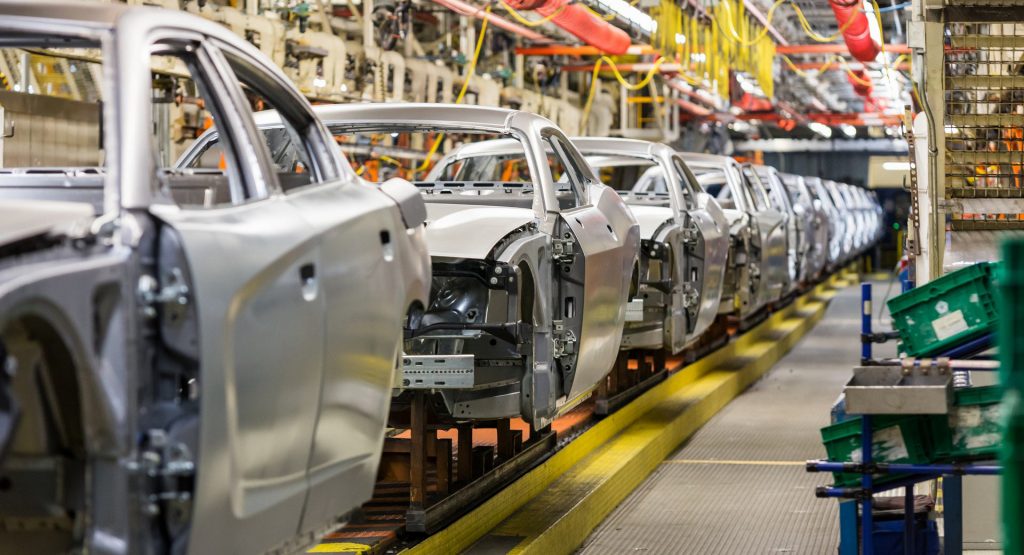
After closing its plant in Brampton, Ontario, and abandoning previous promises to produce the new Jeep Compass there, Stellantis has come under intense pressure from local unions and politicians. A new scandal erupted over reports that the company might begin assembling electric vehicles from its Chinese partner Leapmotor at this site.
According to anonymous sources, the plant’s operations could be revived thanks to a new trade deal between Canada and China, which would allow the sale of Chinese electric cars in the local market. Stellantis does not comment on these reports, but many are concerned that the plant will essentially only assemble ready-made kits, not manufacture cars from scratch.
Comparison to IKEA Furniture and Auto Industry Reaction
The President of the Automotive Parts Manufacturers’ Association (APMA), Flavio Volpe, sharply criticized this plan. He compared it to assembling IKEA furniture, noting that the cars would be fully manufactured in China, partially disassembled, and then simply assembled in Canada by a few hundred workers.
This is completely different from producing cars here, buying $3 billion worth of parts annually in Canada, and providing jobs for 10-12 thousand workers
Volpe called on the government to clearly define that such complete knock-down (CKD) assembly operations are still considered imports, so all parties understand the rules of the game.
Politicians and Unions Oppose
The idea has also found no support at the political level. Federal Canadian Industry Minister Mélanie Joly and Ontario Premier Doug Ford rejected the reported plans. Unifor National President Lana Payne also insists that Stellantis must keep its promise to restore the plant to full capacity.

Strategic Interests and Access to the US Market
Stellantis plays a key role in Leapmotor’s global expansion after buying a 20% stake in the Chinese company in 2023. Producing these cars in Canada could also open a quiet back door to the US market, which is an important strategic point.
If Stellantis is truly interested in restoring production in Brampton to its former level, it needs to build cars there that will have free access to the United States. Such a scenario could provide jobs for up to 12,000 people and require purchasing parts from local suppliers worth up to $3 billion annually.

This situation vividly illustrates the complexity of balancing economic feasibility, protection of domestic manufacturing, and geopolitical realities in the modern automotive world. Canada, like many other countries, faces a choice: whether to accept investments tied to imported technologies or try to preserve the full production cycle. The success of the Stellantis and Leapmotor partnership in Europe likely inspires the company to take similar steps in North America; however, local policies protecting the labor market and industry create serious obstacles. The future of the Brampton plant remains uncertain, but the debate surrounding it extends far beyond one company, touching on issues of trade relations, technological sovereignty, and the transformation of the entire auto industry.