 by
by Honda’s Victory in the Lawsuit
Honda won a lawsuit in the United States concerning allegations of so-called phantom braking in CR-V and Accord models. Had the decision been in favor of the plaintiffs, the manufacturer could have faced significant financial payouts to the owners of the affected vehicles, potentially amounting to millions of dollars.
Chronology of the Lengthy Court Proceedings
The case dragged on for over eight years. It began in mid-2018 when a lawsuit was first filed against Honda over claims that several driver-assistance systems, including the Collision Mitigation Braking System, Adaptive Cruise Control with Low-Speed Follow, Lane Keeping Assist System, and Road Departure Mitigation System, could cause unexpected brake activation.
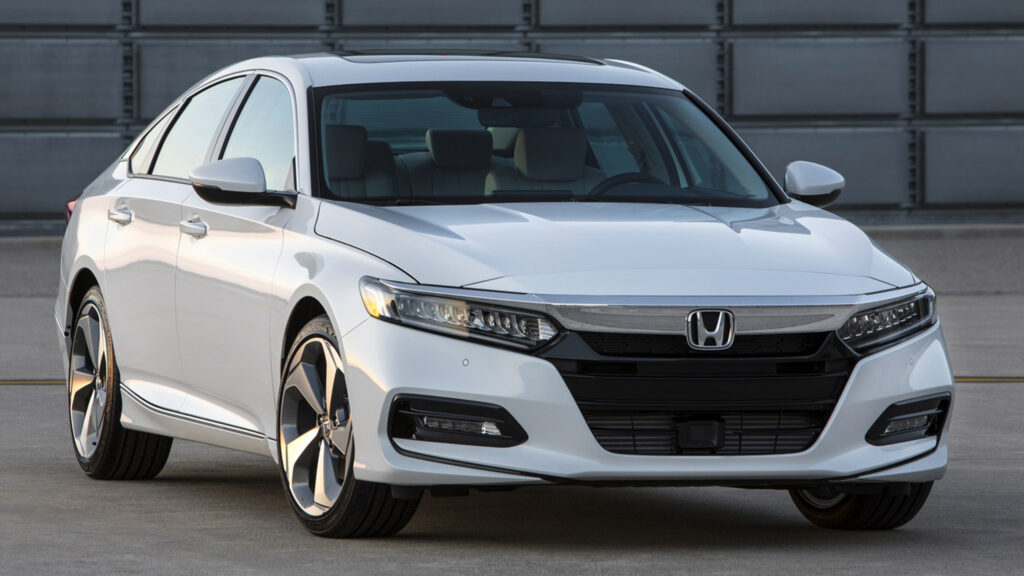
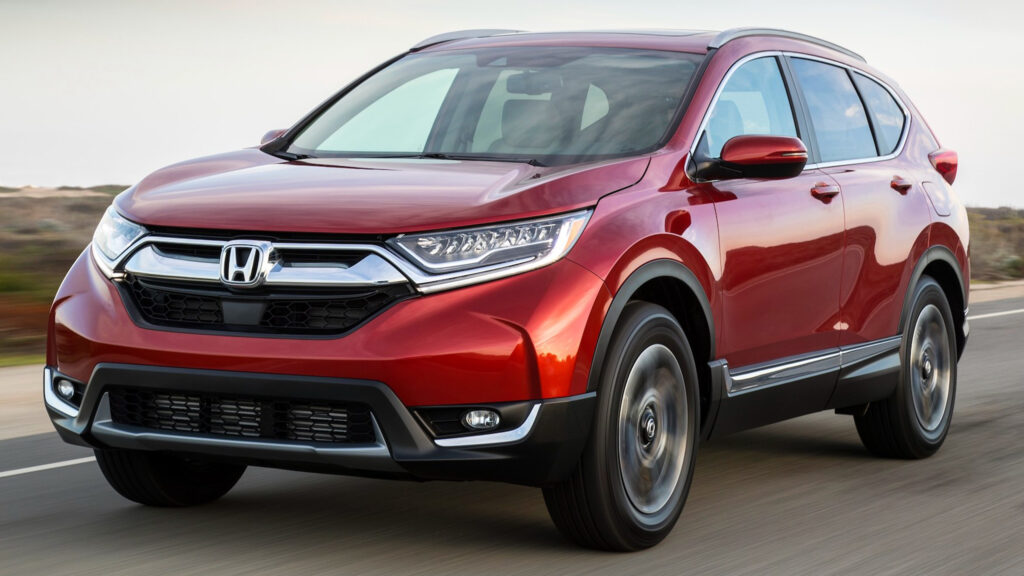
Initially, the lawsuit concerned only 2017 Honda CR-V models, but over the years, several other class-action lawsuits were filed, making allegations regarding other models. Ultimately, these class actions were consolidated into one case, and the scope of the investigation was narrowed to the Collision Mitigation Braking Systems on 2017-2019 Honda CR-V and 2018-2020 Honda Accord models.
Honda’s Position and the Court’s Decision
In court, Honda acknowledged that the system is not flawless but argued that imperfection alone does not constitute a legal defect. The company insisted that this technology still plays an important role in reducing rear-end collisions and pointed out that the owner’s manuals for both models clearly describe the system’s limitations.
The jury ultimately ruled in favor of Honda. In a statement, Honda’s American division stated:
Honda is committed to safety and the satisfaction of our customers, and we welcome the jury’s verdict. During the trial, clear evidence was presented that the allegations in this lawsuit did not reflect the actual operation of the Collision Mitigation Braking System in Honda vehicles, and this outcome aligns with those facts.
This verdict highlights the complexity of legally defining a “defect” for modern software-based and driver-assistance systems, which by their nature are proactive and may sometimes react to ambiguous road situations. It also sets an important precedent for automakers who are increasingly facing similar lawsuits in the era of spreading partial autonomy. For car owners, it is a reminder of the need to thoroughly study the features and limitations of built-in safety systems, even if they are actively advertised as a key feature. The question of liability for decisions made by artificial intelligence in vehicles will undoubtedly remain a focus for regulators and courts in the coming years.