 by
by Chrysler Pacifica Hybrid Owners Demand Vehicle Buyback
A group of Chrysler Pacifica Hybrid minivan owners, whose vehicles were recalled by the manufacturer in 2023, are filing a class action lawsuit demanding the company buy back the vehicles in full. Although a judge recently dismissed the claims as a national class action, the case itself continues to be considered, but now within 18 U.S. states.
Reason for the Recall and Owners’ Reaction
In January 2023, Chrysler announced a recall of over 67,000 Pacifica hybrid models due to a discovered defect in the transmission wire harness connector. This malfunction could lead to the vehicle suddenly stalling while in motion. The official solution to the problem was supposed to be a software update for the power inverter module, and in some cases, the instrument panel as well.
However, just two weeks after the recall announcement, the company received a lawsuit. This case unites over 30 Pacifica Hybrid owners.
Position of the Plaintiffs and Court Decision
The plaintiffs insist that the manufacturer buy back the vehicles involved in the case at their market value, which was current just before the recall announcement. An interesting fact is that none of the claimants in the case actually encountered the sudden stalling problem that prompted the recall.
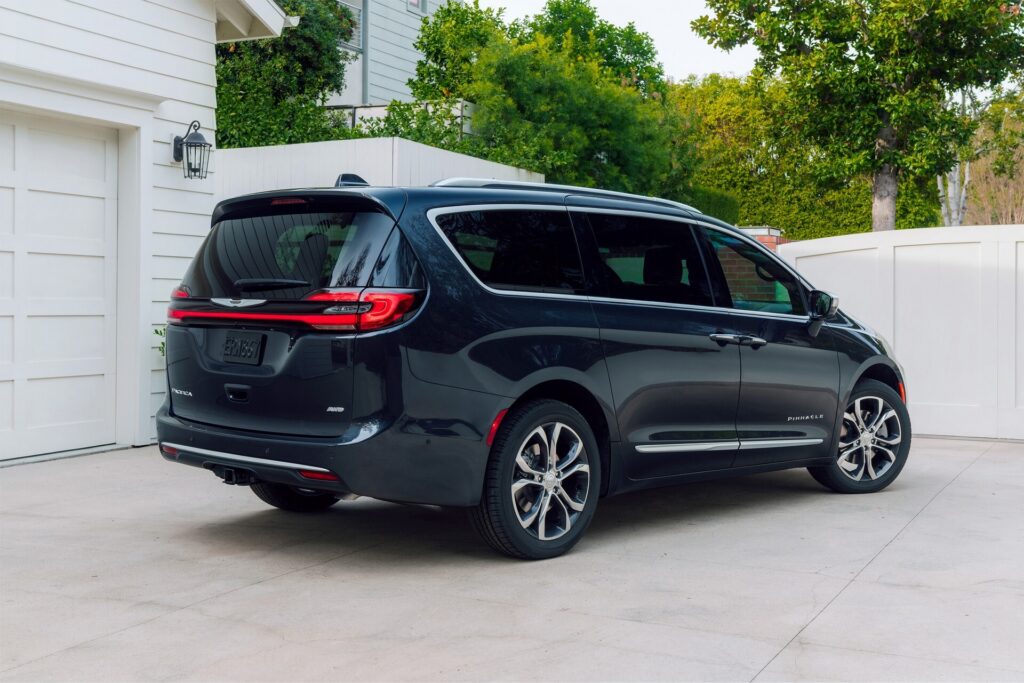
FCA (Stellantis) tried to achieve a complete dismissal of the case, arguing that at the time of filing the lawsuit, only a temporary software patch was available to warn the driver of a potential malfunction, and a final technical solution had not yet been developed. Judge Jonathan J.C. Gray partially agreed with the manufacturer’s arguments, finding no evidence that the company knew about the defect before announcing the recall. In the judge’s opinion, the decision to recall was made based on 16 customer complaints, 242 warranty claims, 59 field reports, and 6 customer assistance records.
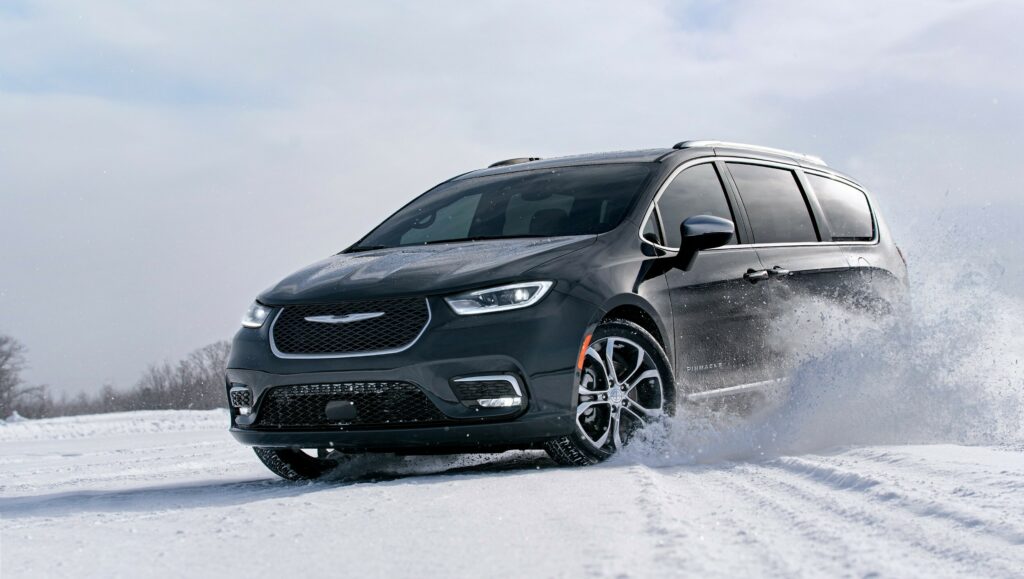
This litigation highlights the complex dynamics between automakers and consumers in the era of high-tech vehicles. Even when a company proactively announces a recall to address a potential problem, it can lead to claims regarding loss of vehicle value and brand trust. The case also raises questions about what constitutes an adequate remedy in such situations – whether a software update that merely signals a problem is a sufficient solution, or whether owners have the right to expect more radical measures, such as a buyback, even if the immediate danger has not materialized. Such precedents could influence the strategies of the entire automotive industry regarding handling recalls and communicating with customers.