 by
by Affordable cars may disappear from the US market
Buying a truly inexpensive new car in the US is already difficult, but it may soon become nearly impossible. Foreign automakers are warning the Trump administration that cheap models could completely disappear if North American trade rules are weakened or tariffs remain in place. The Wall Street Journal reports this.
Key issues for budget cars
How manufacturers are responding to the situation
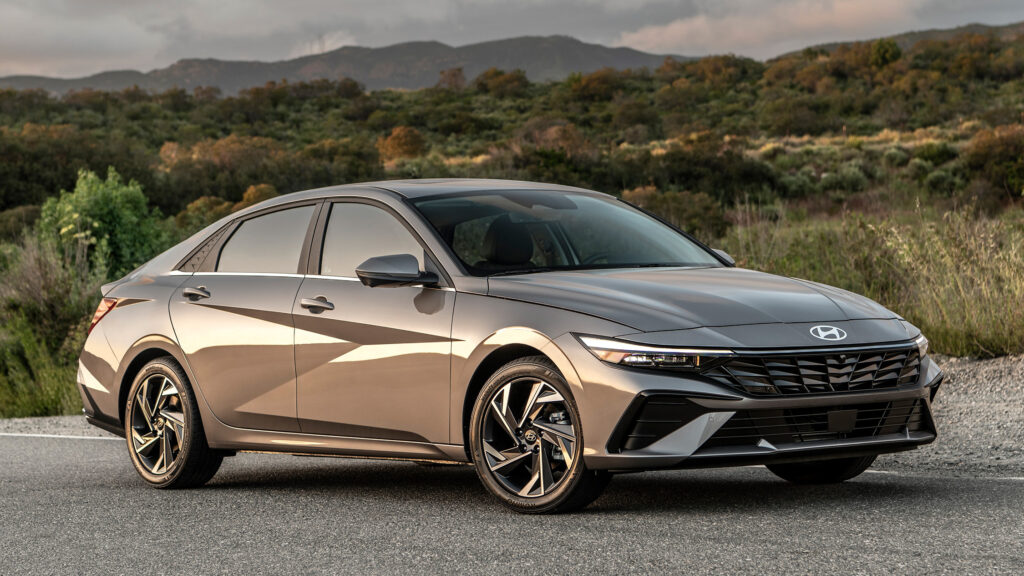
Many mainstream brands have already abandoned affordable sedans and hatchbacks. American automakers have been refocusing on pickups and SUVs for years, leaving Toyota, Honda, Nissan, and Hyundai to bear the brunt of budget car production. Even they sometimes struggle to make ends meet, leading to Nissan’s decision to discontinue the Versa model after this year.
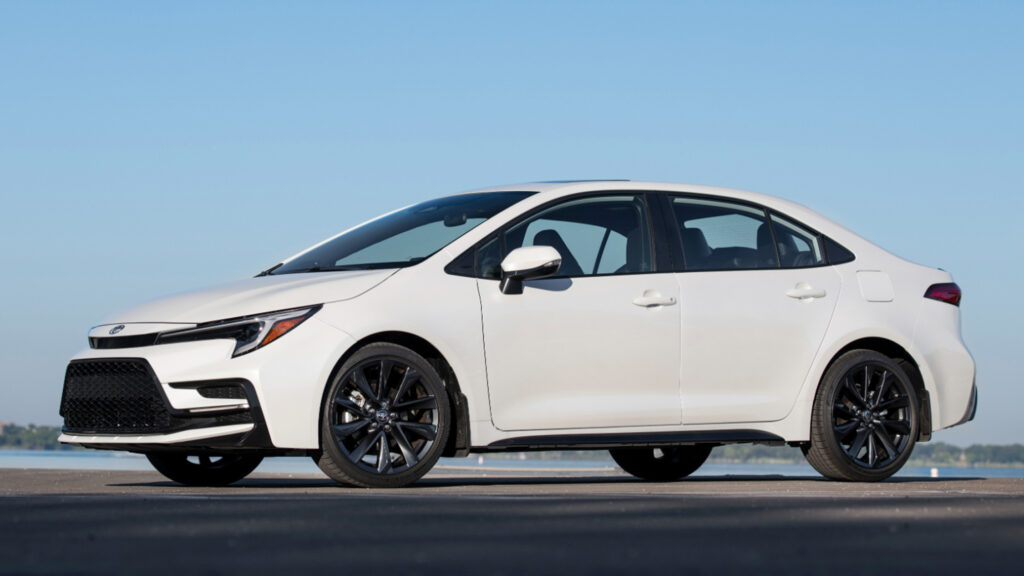
Models such as the Toyota Corolla, Honda Civic, and Nissan Sentra depend on supply chains that stretch across the US, Canada, and Mexico. Parts can cross borders several times before the finished car reaches the showroom. This system was built on duty-free regional trade. Even cars assembled in the US rely heavily on components from North America, making their viability directly dependent on the existing trade structure.
The impact of tariffs on the economy
However, the economy now looks shaky. Current US policy imposes additional costs on non-US content in cars, and tariffs on components, steel, and aluminum also increase production costs. This hits entry-level cars particularly hard, where profitability was low even before policy entered the picture.
Several automakers have told officials that without an acceptable replacement or extension of the USMCA trade structure, some inexpensive cars may no longer make financial sense in the US. If their production becomes unprofitable, brands may simply leave the market.
Affordable options are already limited
This would be a bad time for consumers. Average prices for new cars hover around $50,000, and we recently reported that only 7% of new cars sold in December cost less than $30,000. If these cheap cars are removed entirely, Americans will find it difficult to get a foothold on the new car ladder, and even harder to move up to more expensive models over time.
The irony is obvious. A policy aimed at stimulating domestic production could reduce access to the most affordable cars on the market and ultimately harm local production, as many of the cheapest cars are sold by foreign brands that have factories and supplier networks in North America.
Uncertainty hampers investment
Automakers also say uncertainty is delaying investment. Building new plants or retooling existing ones costs billions, and few executives want to commit such money without knowing the trade rules. Canada and Mexico are pushing for tariff reductions as negotiations continue, although officials already expect some duties to remain.
The situation surrounding cheap cars in the US demonstrates how trade policy can have unintended consequences for ordinary consumers. Instead of stimulating local production, high tariffs and uncertainty could lead to the disappearance of an entire market segment. This will not only make it harder for many Americans to access a first car but could also undermine long-term brand loyalty, as buyers will be unable to ‘grow’ with an automaker by starting with a cheap model. In an environment where the average price of a new car reaches $50,000, the disappearance of budget options risks making the new car market even more elitist, and consumers dependent on older vehicles.