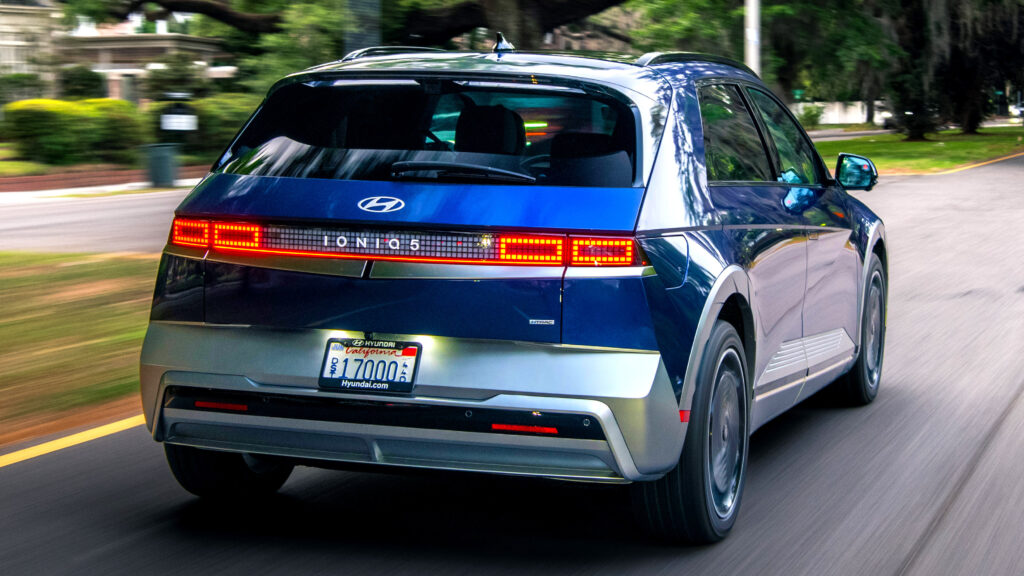
 by
by Hyundai expands warranty on critical electric vehicle component
Hyundai electric vehicle owners have gained a little more peace of mind regarding a part that some say has a 10-percent failure rate. It’s not about the rearview camera, not the windshield wiper, and not a cotter pin. It is a component called the Integrated Charging Control Unit (ICCU), and when it fails, the car effectively becomes immobile.
The South Korean company has now extended warranty coverage to 15 years or 180,000 miles for some electric vehicles with ICCU issues. This sounds great, but the story has other aspects that are unfolding right now.
What is the ICCU and why is it important?
As we have repeatedly emphasized, ICCU issues are a serious matter for owners of Hyundai, Kia, and Genesis. The ICCU is one of those parts that most owners never think about until it fails. It manages the onboard charger and helps keep the 12-volt battery running. Essentially, it is the equivalent of an old car’s alternator. When it fails, the car can lose power, stop charging properly, or simply refuse to start, and many owners have already experienced this.
New warranty terms and caveats
Recently, Hyundai expanded warranty coverage for affected vehicles in Europe. According to a statement provided by Hyundai Motor America to Torque News, the automaker has approved an ICCU warranty extension for some affected electric vehicles in the US, increasing coverage to 15 years or 180,000 miles, whichever comes first. This is a significant jump from the previous 10-year or 100,000-mile protection. However, there are several important caveats.
Situation with Kia and Genesis
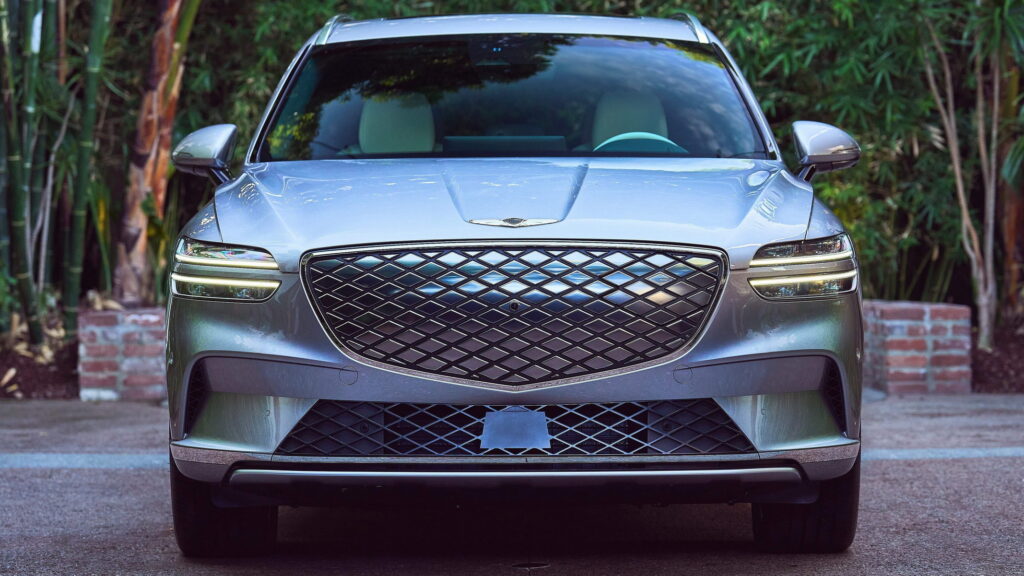
First, there are no reports yet from Kia or Genesis on whether they also plan to expand coverage for affected vehicles. While it is likely that each of them will eventually expand their coverage as well, an official statement would be welcome. Carscoops contacted both brands but did not receive a response at the time of writing.
Issues with the VIN check tool
The second concern relates to the operation of Hyundai’s warranty tool. Hyundai says affected owners should check their VIN through the Hyundai Motor America campaign search tool and contact dealers if they see warning indicators, charging problems, or reduced power. Sounds simple enough, but when many owners check the site, they get nothing.
Many commenters in the original report say they entered VINs for 2022, 2023, and even recently failed 2025 model year Ioniq 5s, but did not see any ICCU campaign. Finally, there is reason to doubt whether Hyundai has fixed the ICCU problem at all, or if potential replacement parts will also fail one day. This lies at the heart of a new lawsuit that Hyundai has not yet responded to. At this point, nobody knows, but owners certainly hope that is not the case.
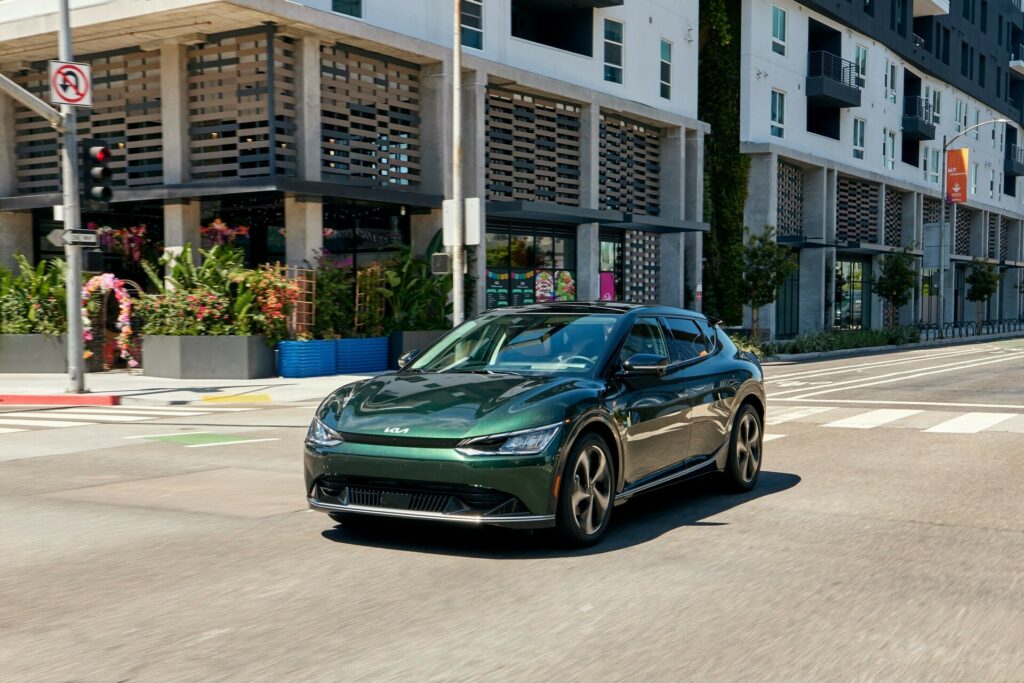
While the warranty extension is a positive step, it does not solve all problems. The lack of official statements from Kia and Genesis, as well as technical difficulties with checking VINs, raise concerns. Furthermore, the key question is whether the ICCU design flaw has been permanently fixed, or if this is merely a temporary solution that could lead to repeated failures in the future. The lawsuit challenging the effectiveness of the repairs suggests that owner trust in the brand may be seriously undermined, and many may be considering switching to other electric vehicle brands.