 by
by Voice assistant update in GM, Polestar, and Volvo cars
For many years, voice assistants in cars were clumsy, annoyed users, and often did not understand even the simplest commands. However, with the development of artificial intelligence, the situation has changed dramatically. Owners of certain GM, Polestar, and Volvo models will be among the first to experience these changes.
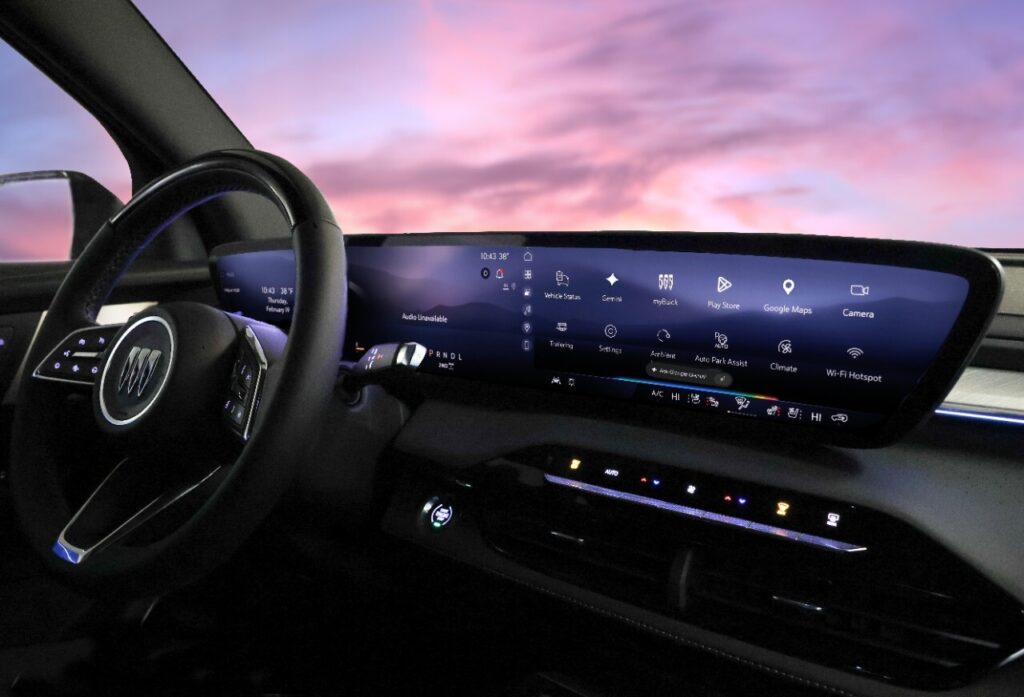
GM has announced the rollout of Google Gemini in approximately 4 million cars in the US that use the operating system based on Android Automotive, officially known as “Google built-in.” This applies to Cadillac, Chevrolet, Buick, and GMC vehicles from the 2022 model year and newer. The new system replaces the old Google Assistant, which is significantly less advanced.
New communication capabilities
Instead of using simple commands, you can communicate with Gemini more naturally, allowing for a dialogue. You can ask Gemini to create a playlist for a trip on the go, find reviews of restaurants you are interested in, or even discuss ideas for a family vacation or prepare for an important conversation with your boss about a promotion.
Instead of using simple commands, you can communicate with Gemini more naturally, allowing for a dialogue.
Update for Volvo and Polestar
Google Gemini was added to Android Auto for smartphones last year, but it took several months to integrate it directly into cars with the Google built-in system. Gemini is being rolled out to all Polestar models sold in the US, as well as several Volvo models, including:
Although the author has not had the opportunity to test Gemini in cars with Android Automotive, he has communicated with it extensively in his own car via Android Auto from his phone. This is a significant improvement compared to previous voice assistants. The system can even help learn a new language while driving. However, it is worth remembering that discussing complex topics with artificial intelligence, as with a passenger, can be distracting from the road, so it is important to stay attentive.
The integration of Google Gemini into cars is a logical continuation of the trend of integrating artificial intelligence into everyday life. This is not just a voice assistant update, but a true paradigm shift in human-car interaction. Instead of executing simple commands, the system is capable of holding a dialogue, understanding context, and even offering creative solutions. This makes the car not just a means of transportation, but an intelligent assistant that can help with trip planning, learning, or even preparing for important life events. However, as with any new technology, it is important to maintain a balance between convenience and safety, because even the smartest assistant should not distract the driver from the road.