 by
by Honda and Acura delay updates to popular models due to loss-making EV investments
Acura and Honda have decided to extend the lifecycle of several of their vehicles. Many popular models will not receive a new generation until the next decade. This decision was made after the automaker lost billions of dollars by betting on electric vehicles.
Honda’s big bet on electric vehicles turned out to be unsuccessful, and the company canceled the launch of several models at the last moment. Among the victims of this decision are the Acura RSX, Afeela 1, as well as the Honda 0 sedan and SUV.
As a result of these events, Honda incurred losses of 2.5 trillion yen (approximately $15.9 billion). This is a staggering amount, and the automaker is now looking for ways to save money.
More on this: Honda’s EV strategy failure has destroyed the entire Afeela brand
Extending the lifecycle of popular models
The company has found one reliable way to save money, but it is unlikely to please consumers. It involves extending the lifecycle of several popular models. According to an internal memo to suppliers, cited by Automotive News, the launch of the next-generation Odyssey minivan has been delayed by at least three years. Its debut is now scheduled for March 2030.
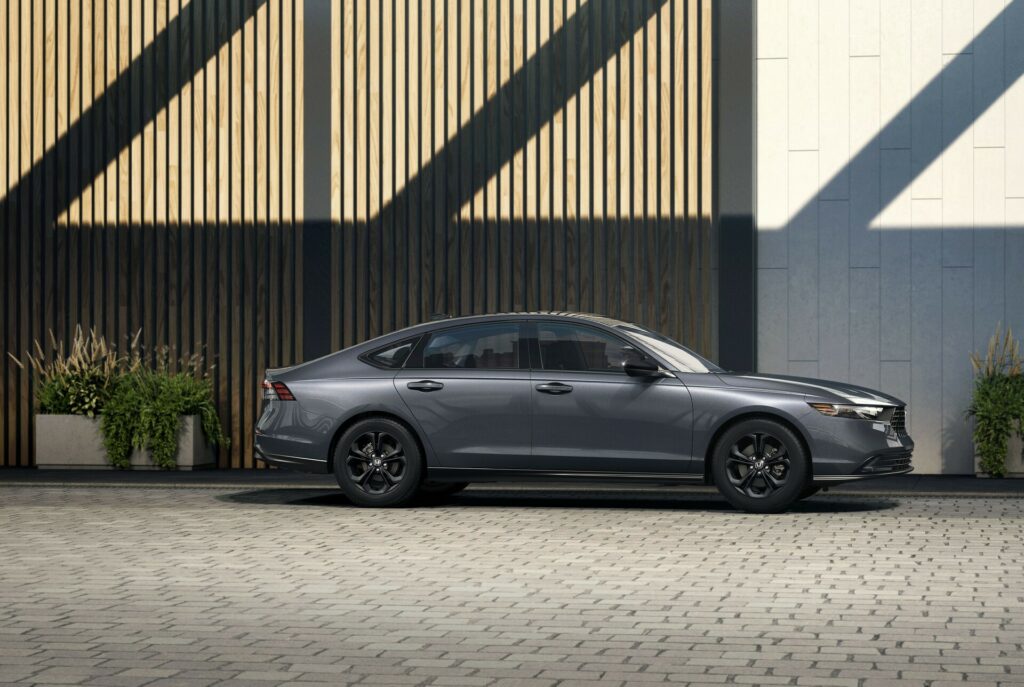
The current generation Accord will also remain on the market for an additional year and will be produced until March 2030. The document did not mention the next generation of the sedan, but the publication suggested it could become exclusively hybrid.
The HR-V crossover, which was Honda’s second-best seller last month, will remain in its current form for at least two additional years. This means the fourth-generation model may not appear until 2032.
Acura situation: ‘Ghost town’
At Acura, the situation is already difficult: the TLX and ZDX models have been discontinued, and RDX production is temporarily stopping. Now the company is making things worse by extending production of the current Integra and MDX.
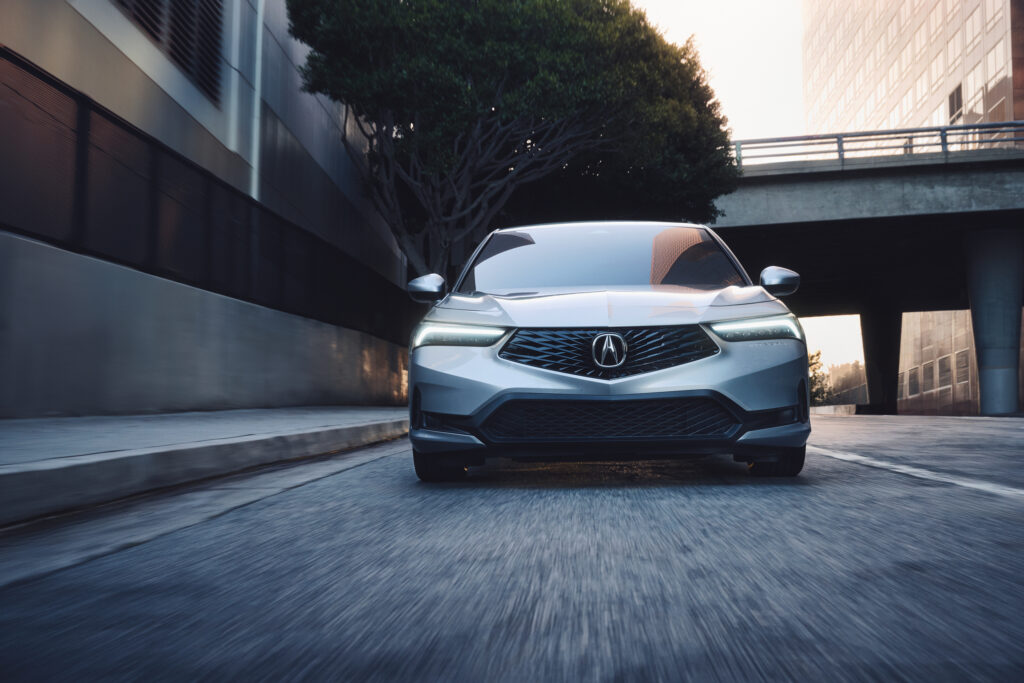
The Integra will remain on the assembly line until at least March 2032. By that time, the model will be almost ten years old, reminiscent of the ILX’s fate. This is not the best strategy, as that sedan became outdated despite numerous updates.

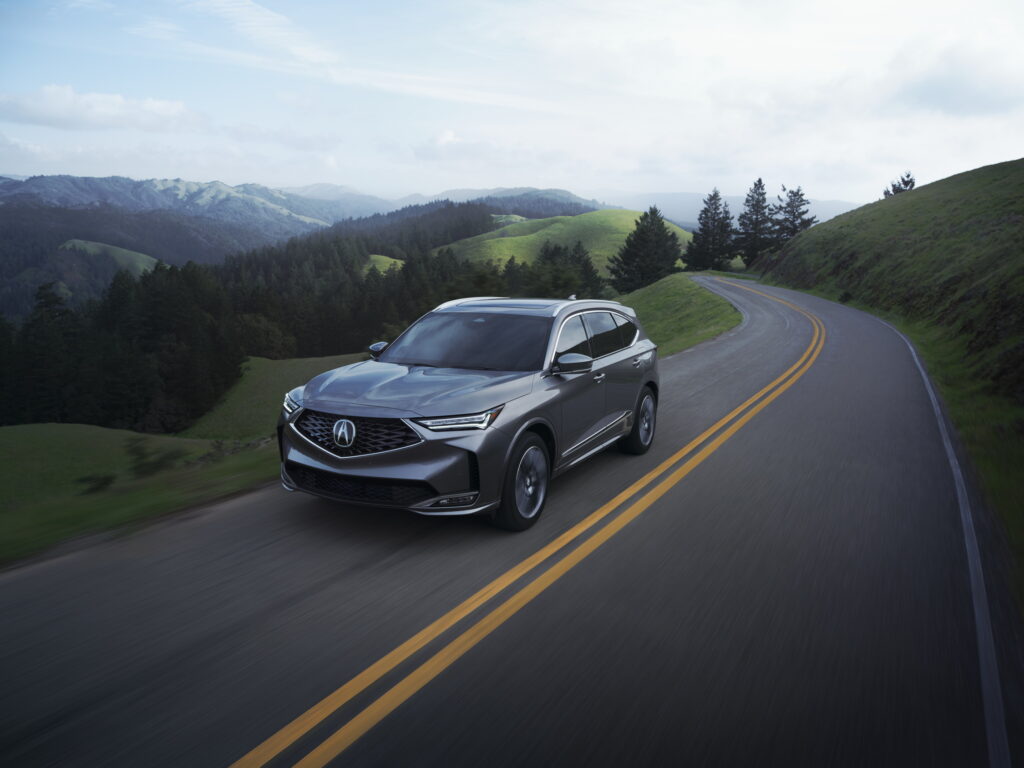
Similarly, the launch of the new generation MDX has been delayed until early 2031. By that time, the model will be ten years old, which is risky given that the MDX is Acura’s bestseller by a wide margin.
Honda spokesperson Jessica Fini confirmed the authenticity of the letter in a statement to the publication, noting that the company is “very confident in its future product strategy, including previously announced plans to introduce our advanced hybrid technology into more models.”
This situation demonstrates how serious the financial consequences of Honda’s failed electric strategy are. Instead of investing in the development of new generations of gasoline and hybrid models, the company is forced to save money by extending the life of existing vehicles. This could lead to a loss of competitiveness in a market where players like Toyota and Hyundai are actively updating their lineups. For consumers, this means that popular models like the Accord, Odyssey, and MDX will remain without significant technological and design updates for several more years, potentially reducing their appeal compared to competitors’ new products. At the same time, the focus on hybrid technology could be a way for Honda to gradually transform, without resorting to risky and expensive fully electric projects in the near future.