 by
by Tesla has announced the recall of 218,868 vehicles in the United States due to issues with the rearview camera. This affects various sedan and SUV models produced between 2017 and 2023. Most affected vehicles have already received a fix via an over-the-air (OTA) software update.
Core issue with the rearview camera
While Tesla seeks approval for its full self-driving system in Europe, in the U.S. the company is facing a problem with a much simpler technology that is critical for road safety. This involves the rearview camera, which malfunctions across a wide range of vehicles from different production years. As a result, Tesla is forced to recall nearly 220,000 vehicles.
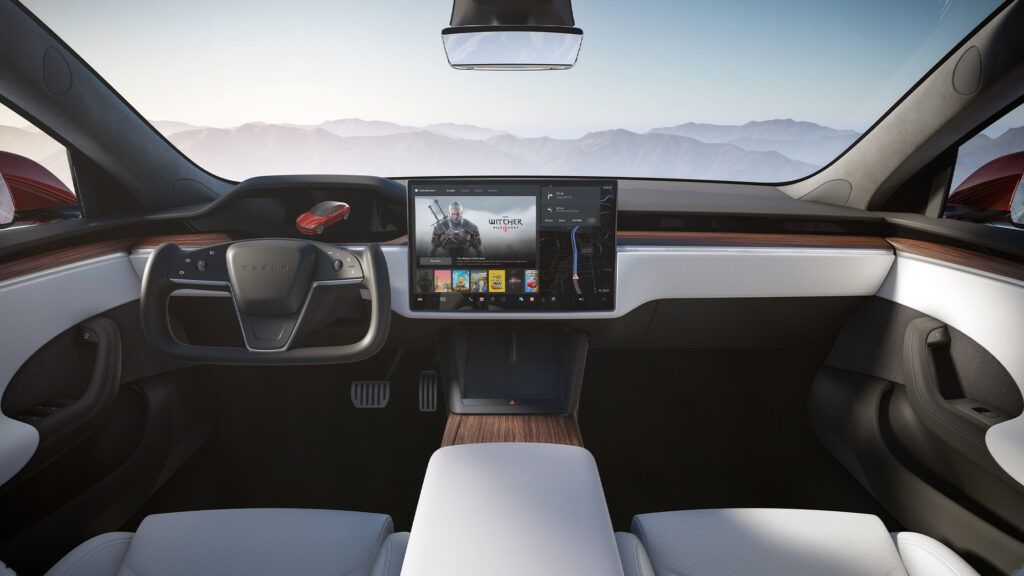
The problem lies in the camera software, which often fails to display the correct image or shows no image at all on some Tesla Model 3, Model Y, Model S, and Model X models produced between 2017 and 2023.
According to safety documents, the glitch occurs when the vehicle is started and immediately shifted into reverse. At that moment, the camera image may not appear, leaving the screen blank for up to 11 seconds. This is extremely dangerous when reversing out of a driveway or parking spot, especially if children might be nearby.
Although such a delay may seem minor, it violates federal safety regulations. Without a rearview image, drivers lose critical visibility, which, according to regulators, increases the risk of an accident.
Which models are affected
The recall covers the following models:
Currently, the impact of the problem appears limited. The company has recorded only a few warranty cases and field reports, with no confirmed accidents or injuries related to this malfunction.
How the issue is being resolved
Although this is an official recall, it does not require a visit to a service center. Unlike Cybertruck owners, who may have their wheels fall off, most owners of affected vehicles do not need to go to a dealer. The fix comes in the form of a software update, which has already been sent to the vast majority of vehicles.
In fact, Tesla claims that over 99.9% of the vehicles have already received the update, meaning the issue was resolved before many owners even knew about it.
This incident highlights how much modern cars depend on software, even for basic functions like the rearview camera. While Tesla quickly fixed the problem via an OTA update, the recall of nearly 220,000 vehicles due to a software glitch serves as a reminder of the vulnerability of complex electronic systems. It is worth noting that such incidents can affect consumer trust in the company’s technologies, even if physical consequences were avoided. In the future, with the development of autonomous driving, the reliability of such systems will become even more critical.