 by
by Faraday Future suspends FX Super One minivan project
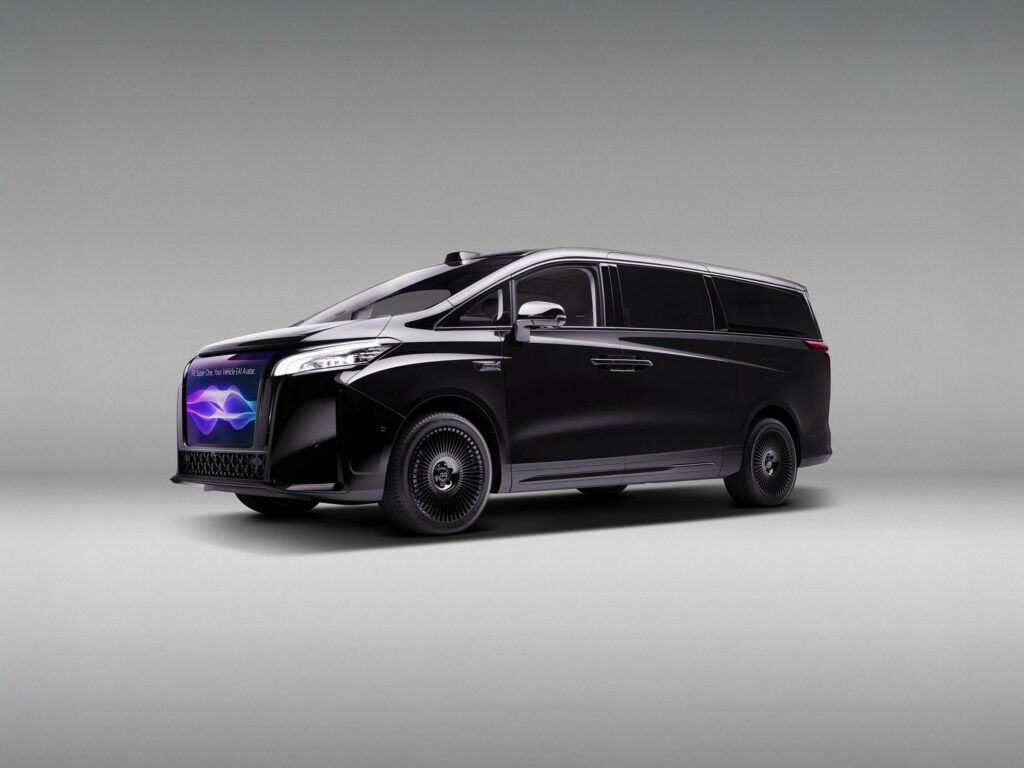
Faraday Future, which is in a difficult financial situation, has decided to suspend work on its FX Super One minivan, unveiled less than a year ago. The reason for this decision was the vehicle’s outdated 400-volt architecture, which the company deemed uncompetitive.
New plans: 800V or range-extended hybrid
The further development of the project remains uncertain. Faraday Future is considering two options: switching to an 800-volt architecture or using a range-extended powertrain. The company stated that such changes would provide “users with stronger product competitiveness and greater value.”
An 800-volt architecture would provide “greater range, faster charging, and higher powertrain efficiency.”
Faraday Future also noted that vehicles with extended range are well-suited for “regions with severe frosts, such as the US East Coast.”
Market context and financial difficulties
It is worth noting that the transition from 400V to 800V architecture has already been made by automakers such as the Mercedes EQS, Polestar 3, and Volvo EX90. However, these are large and stable companies, whereas Faraday Future is a penny stock company that calls itself an “AI ecosystem company.”
Although the FX Super One project has been suspended, the company hopes to start mass production of the updated model in the future. However, this will only be possible “subject to securing financing from strategic or medium- to long-term investors.”
Delivery timelines and robotization
Despite the uncertainty, Faraday Future has released two possible delivery timelines. For the 800V architecture version, the company forecasts “the first phase of deliveries within 6-9 months, the second phase within 12-15 months, and the third phase within 21-24 months.”
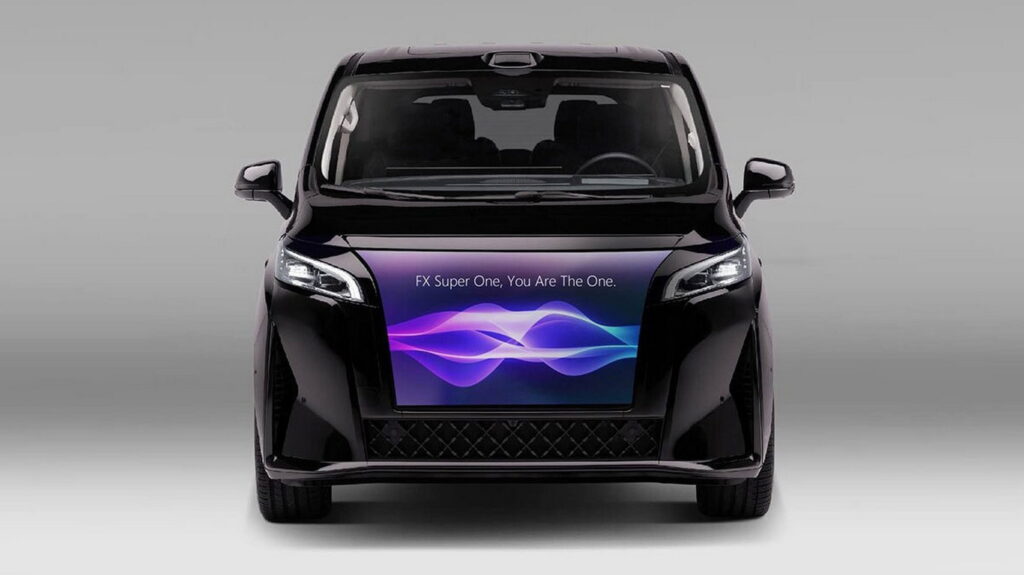
For the range-extended version, the timelines are longer: first phase of deliveries – 9-12 months, second – 21-24 months, third – 24-28 months. It is worth noting that the company’s previous forecasts have often proven inaccurate.
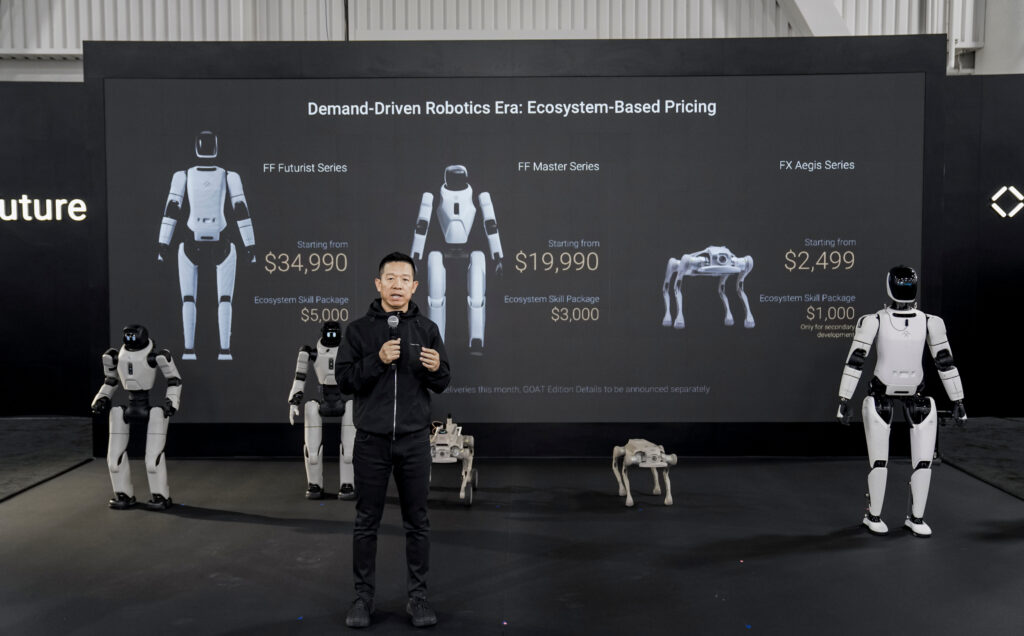
Faraday Future is trying to present the project suspension as a positive step, claiming it will allow focusing on its new robotics business during “a critical period of its growth.” The company reported that it had shipped a total of 68 robots by the end of April.
The situation surrounding the FX Super One demonstrates a classic example of an ambitious startup facing the harsh realities of the electric vehicle market. Faraday Future is trying to balance technological upgrades, financial constraints, and the search for new business directions, such as robotics. However, without stable financing and a clear strategy, the prospects for serial production of the updated minivan remain highly questionable, especially against the backdrop of fierce competition from already established players who are actively implementing advanced technologies.